Love Your Lakes
Protect the Great Lakes Through Community Action
Join volunteers removing litter, collecting critical environmental data, and protecting 20% of the world's freshwater, one shoreline at a time.
What makes Love Your Lakes different?
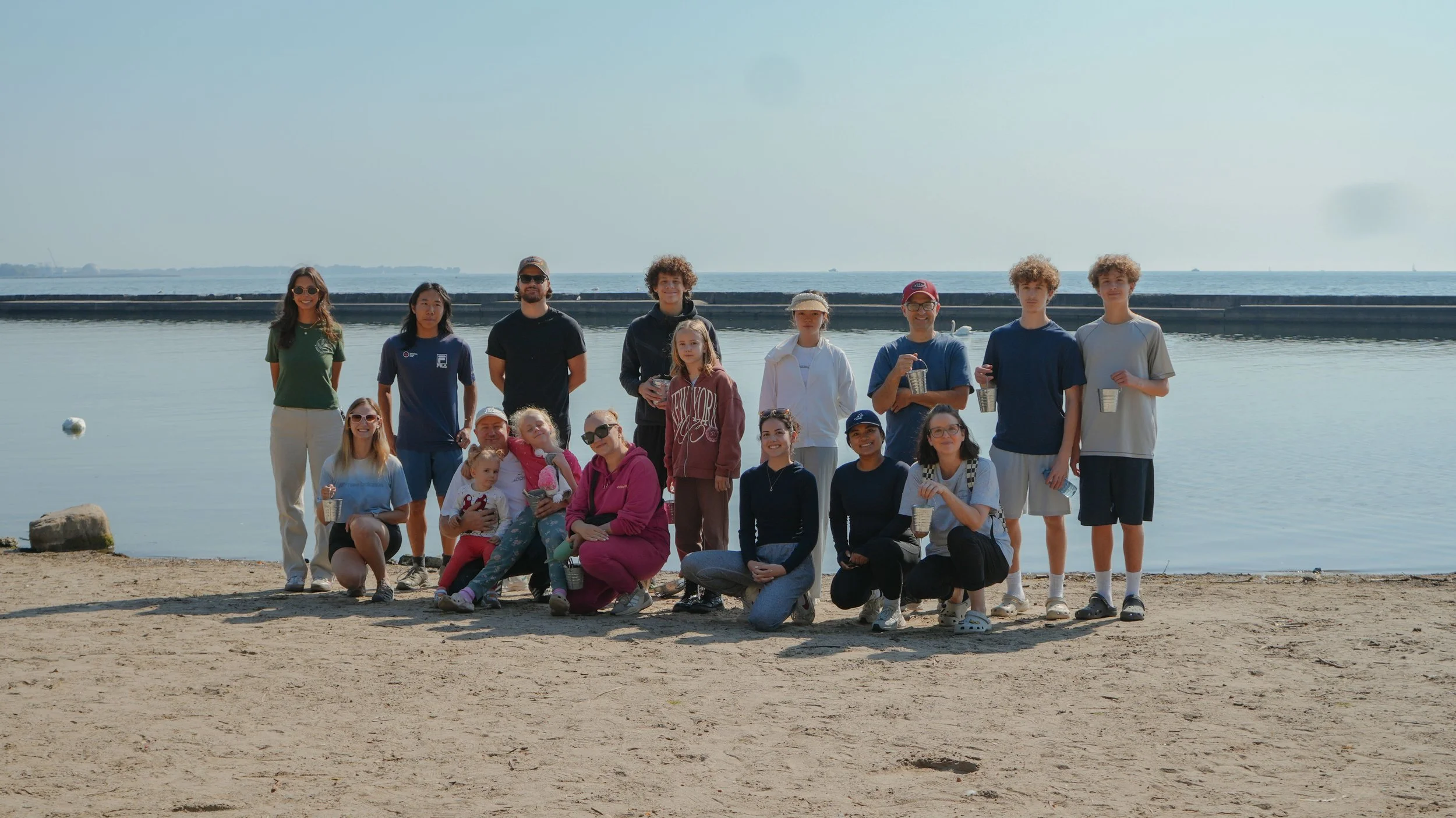
Community Powered Impact
Join a welcoming community of environmental stewards. We provide all supplies, and you bring the passion.

Data-Driven Change
Every piece of litter is tracked and analyzed. Your efforts contribute to policy advocacy and measurable progress.
Accessible and Flexible
Choose from 100+ events across the GTHA. Whether you have two hours or want to join us all season, there’s a place for you.
Learn More About Our Program
-
Our Season
Love Your Lakes runs from May through August each year, with cleanups happening rain or shine (severe weather excluded). We typically host 200+ events across the season, with peak activity in June and July.Locations We Serve
We organize cleanups across the Greater Toronto and Hamilton Area, including:Hamilton & Burlington
Oakville & Mississauga
Toronto
Durham Region
Cleanup Times Most events run 2 hours, typically:
Mornings: 10:00am - 12:00pm
Afternoons: 1:00pm - 3:00pm
Evenings: 6:00pm - 8:00pm
Beyond the Shoreline
While our primary focus is Lake Ontario beaches and shorelines, we also clean rivers, wetlands, and parks that feed into the Great Lakes watershed, because everything flows downstream. -
1. Arrival (First 10 minutes)
Arrive at the designated meeting spot (clearly marked in your event confirmation). Look for our team in branded t-shirts or sweaters. Check in with them, we'll need your name for volunteer hour tracking.2. Orientation (10 minutes)
Our team will provide a brief welcome, explain the cleanup area boundaries, provide a safety briefing, and review our data collection process.3. The Cleanup (60-90 minutes) Grab your supplies and head out! Work at your own pace, some volunteers prefer to work solo with headphones, others chat in groups.
4. Wrap-Up (10 minutes) Celebrate your impact! Bring your litter back to our meeting place so data can be collected. We'll take a team photo and answer any questions. Many volunteers stick around to help with data collection, chat, and connect with fellow environmental stewards.
What We Provide:
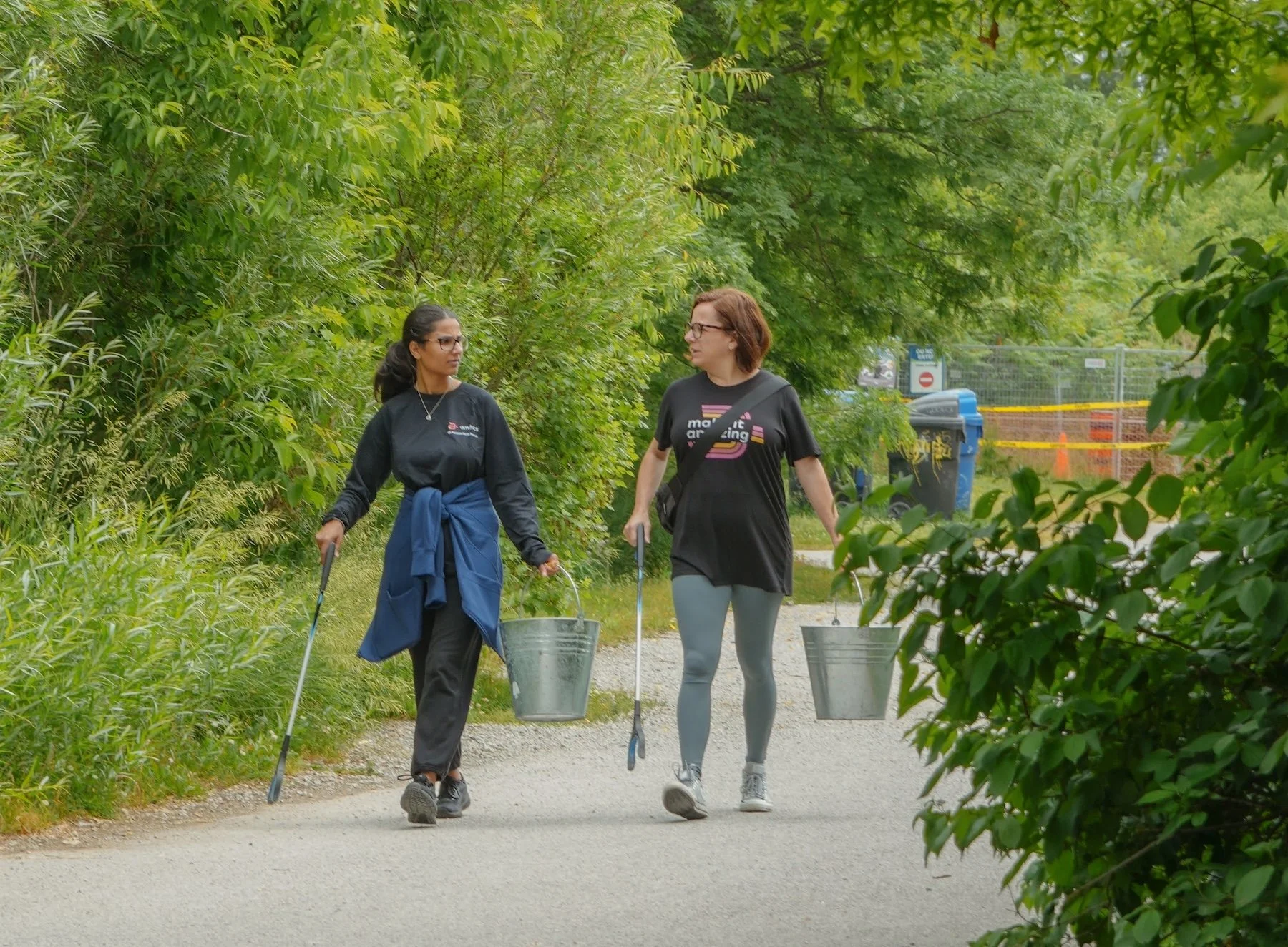
✓ Collection buckets and bags
✓ Litter pickers/grabbers
✓ Hand sanitizer and first aid kitWhat to Bring:
Closed-toe shoes
Weather-appropriate clothing
Reusable water bottle
Sunscreen and bug spray
Your enthusiasm!
Accessibility Note:
Most of our cleanup sites are accessible, though terrain varies from paved trails to sandy beaches. Contact us before registering if you have specific accessibility needs and we'll help you find the right event. -
The Science Behind the Cleanup
Love Your Lakes isn't just about removing litter, it's about understanding pollution patterns to drive systemic change. Every piece of trash we collect tells a story about consumer behaviour, product design, and policy gaps.
Our Data Collection Process
Step 1: Categorization
We use a standardized classification system on our data sheet. Litter is sorted into 30+ categories including:Cigarette butts
Plastic bottles
Food wrappers
Foam pieces
Fishing gear
Glass, plastic, and paper pieces
Step 2: Counting & Recording
Our staff count items in each category and record totals on data sheets. Our program assistants verify counts and enter data into our digital database within 24 hours of each cleanup.Step 3: Analysis
Our data team analyzes trends across:Geographic patterns: Which beaches have the most litter? What types?
Temporal trends: Is pollution increasing or decreasing year-over-year?
Product identification: Which brands and products appear most frequently?
Seasonal variations: How does litter composition change throughout the season?
Step 4: Action
We share our findings with:Policymakers: Advocating for single-use plastic bans, expanded producer responsibility, and better waste infrastructure
Municipalities: Recommending strategic placement of waste receptacles and recycling bins
Manufacturers: Calling for design changes to reduce packaging waste
The Public: Educating communities about the most common pollution sources
Your Role
When you volunteer through Love Your Lakes, you're not just picking up trash, you're a citizen scientist contributing to one of the most comprehensive litter databases in Canada. Your 2 hours of work creates data that influences policy for years to come.
Our Impact: By the Numbers
1,941,152
Pieces of Litter Removed
1,696
Cleanups Completed
6,313
Volunteers Engaged
600,621
Pieces Removed in 2025
480
Cleanups in 2025
153%
Growth from 2024
💡 That's equivalent to removing 8,490 pounds of plastic from our waterways, plastic that would have broken down into microplastics, entered the food chain, and contaminated drinking water for 40 million people.
Why Great Lakes Cleanup Matters
The Ripple Effect of Litter
Litter impacts everyone:
Wildlife mistake it for food, leading to injury, starvation, or death.
Microplastics enter the food chain and have been found in fish, birds, and humans.
Communities lose access to clean, safe, and beautiful public spaces.
Ecosystems are destabilized, harming biodiversity and water quality.
Your shoreline cleanup protects local communities AND prevents ocean pollution thousands of miles away.
Every shoreline cleanup is more than just picking up litter, it's a powerful act of environmental stewardship.
The Great Lakes hold 20% of the world’s surface freshwater and supply drinking water to over 40 million people. But they’re under threat. Trash left behind on shorelines—especially single-use plastics and cigarette butts—doesn’t just stay put. It breaks down into microplastics, leaches toxins, and travels downstream, eventually reaching the Atlantic Ocean.
Cigarette butts, plastic fragments, and foam pieces have consistently remained the top items collected!

370,000 CIGARETTE BUTTS
This sneaky form of plastic litter accounts for ~1 in 4 pieces of litter we collect.

293,000 PLASTIC PIECES
Small, unidentifiable plastic fragments make up 20% of LYLs litter removed from the shore.

172,000 FOAM PIECES
Whether it’s shipping packaging or takeout containers, foam makes up 15% of LYLs litter.
From Lake to Ocean
Your shoreline cleanup protects local communities AND prevents ocean pollution thousands of miles away.

Get to Know Love Your Lakes Better!
Thank You to Our Sponsors