Ontario’s New Recycling Rules for 2026: A Simple Guide to the Blue Box Changes
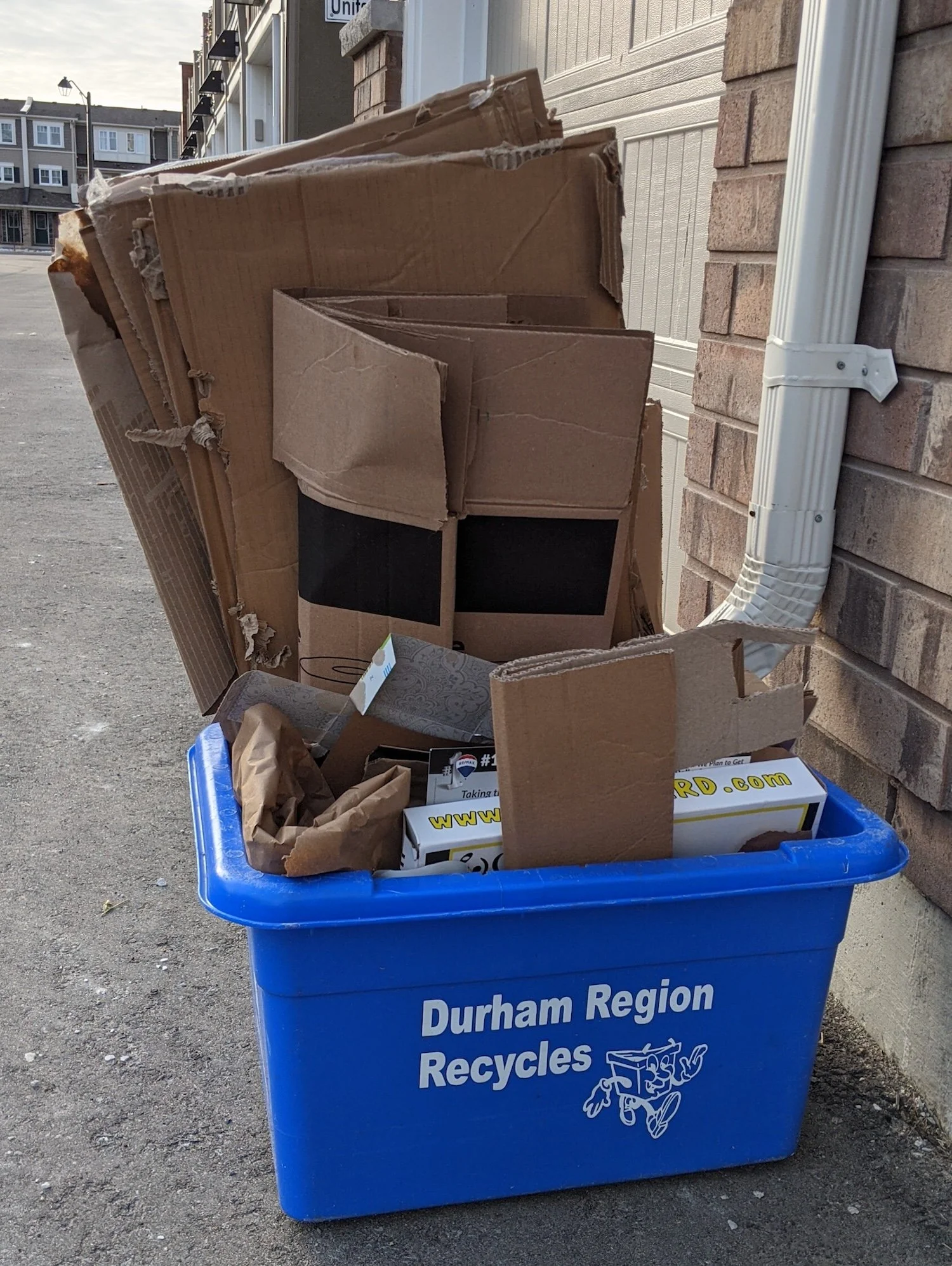
Big changes are coming to recycling in Ontario in 2026, and these changes will affect every household across the province. The updates to the Blue Box program are designed to make recycling clearer, easier, and more effective. Most importantly, everyone in Ontario will follow the same rules for what goes in the recycling bin.
If you’ve ever wondered, “Can I recycle this in Ontario?” or been confused by different rules from one town to another, the new system is made to solve exactly that.
In this post, we break down Ontario’s 2026 recycling changes, what you can recycle, and why Ontario is improving its Blue Box program.
Why Is Ontario Changing Its Recycling System?
Ontario’s old recycling system was run by municipalities. Each one had its own list of accepted items, which caused confusion and made recycling rates stall. The province wants to improve recycling and create a stronger circular economy, a system where materials stay in use instead of becoming waste.
Under the new 2026 system:
Producers (the companies that make packaging) will run and pay for the entire Blue Box program.
All Ontario residents will follow the same recycling rules.
More materials will be accepted, including items that were once considered garbage.
This new approach is called Extended Producer Responsibility (EPR), and it is already working well in other places, such as British Columbia.
What Stays the Same for You?
Even with big changes behind the scenes, your everyday routine will not change much.
✔ Same Blue Box. You will still use your current Blue Box or recycling cart. No need to buy anything new.
✔ Same collection day. Your pickup schedule should stay the same. You’ll be notified of any changes.
✔ Recycling stays free. The cost is covered by producers—not you and not your municipality.
✔ One small change: who you call. If your bin is missed or broken, you’ll contact the new recycling service (Circular Materials) instead of your city. Municipalities will share new contact details before the switch.
How the Changes Affect Schools, Apartments, and Long-Term Care Homes
The new system must provide free Blue Box collection to:
All public and private schools
Apartments and condos
Long-term care and retirement homes
This will help bring recycling access to more Ontarians than ever before.
What You Can and Can’t Recycle in Ontario in 2026
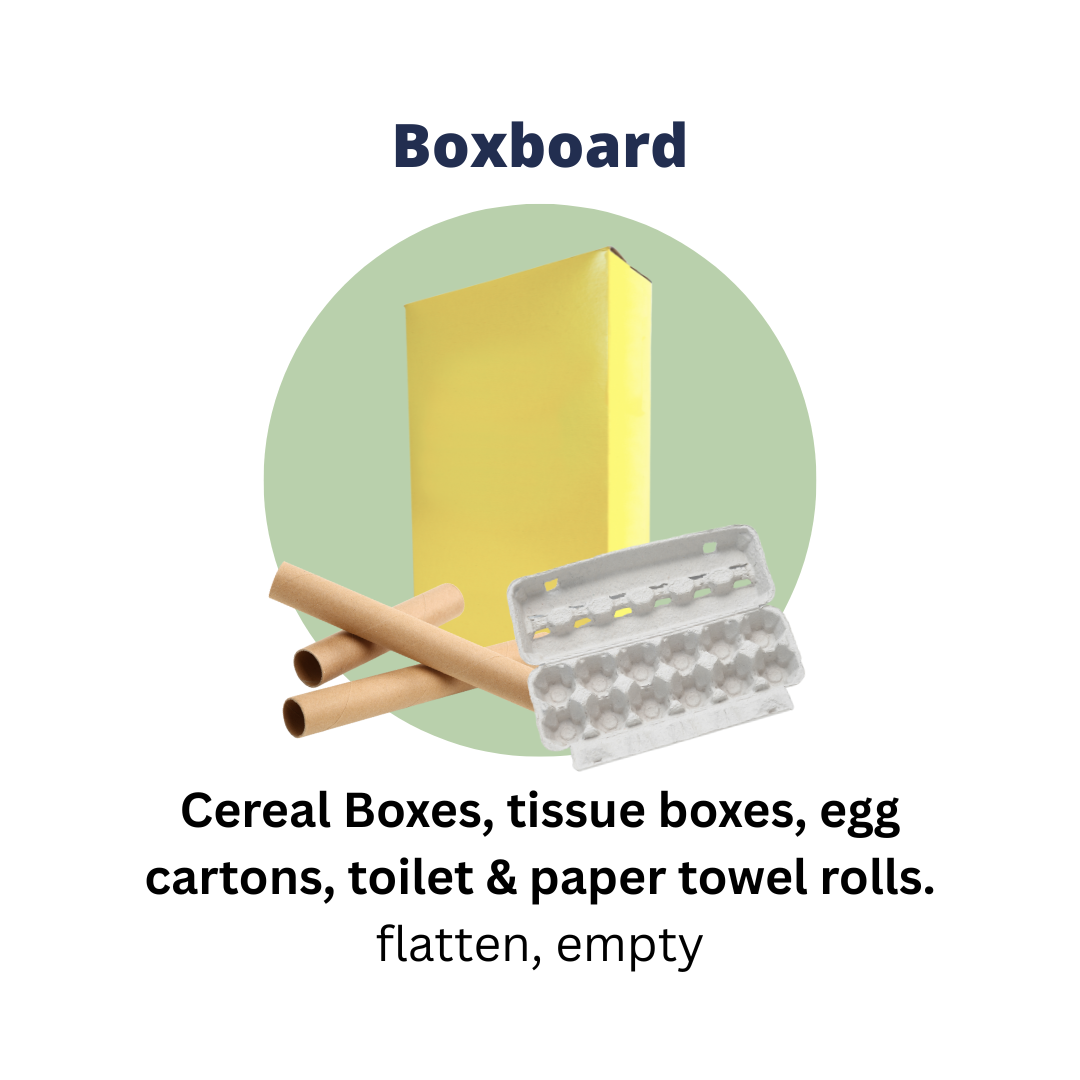
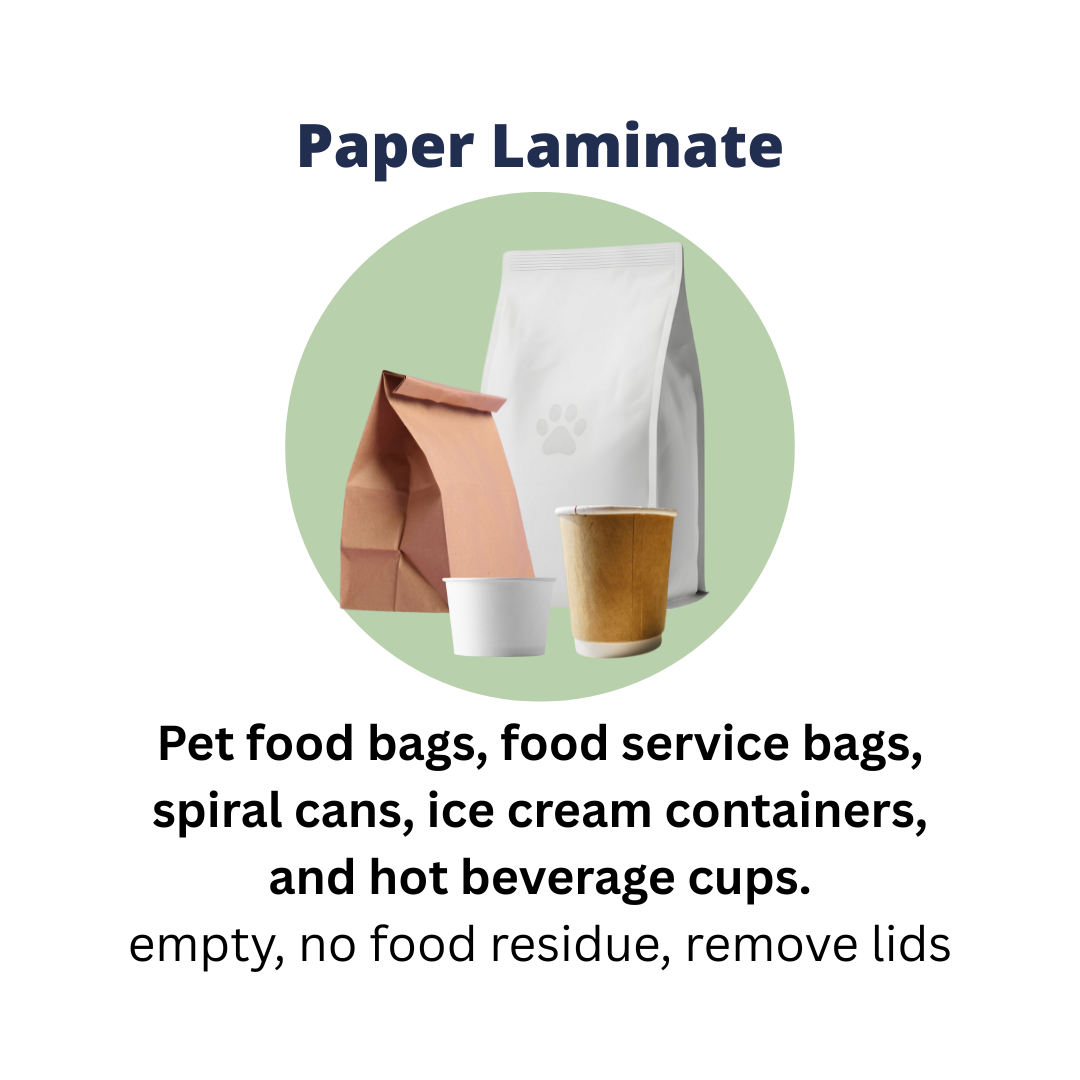
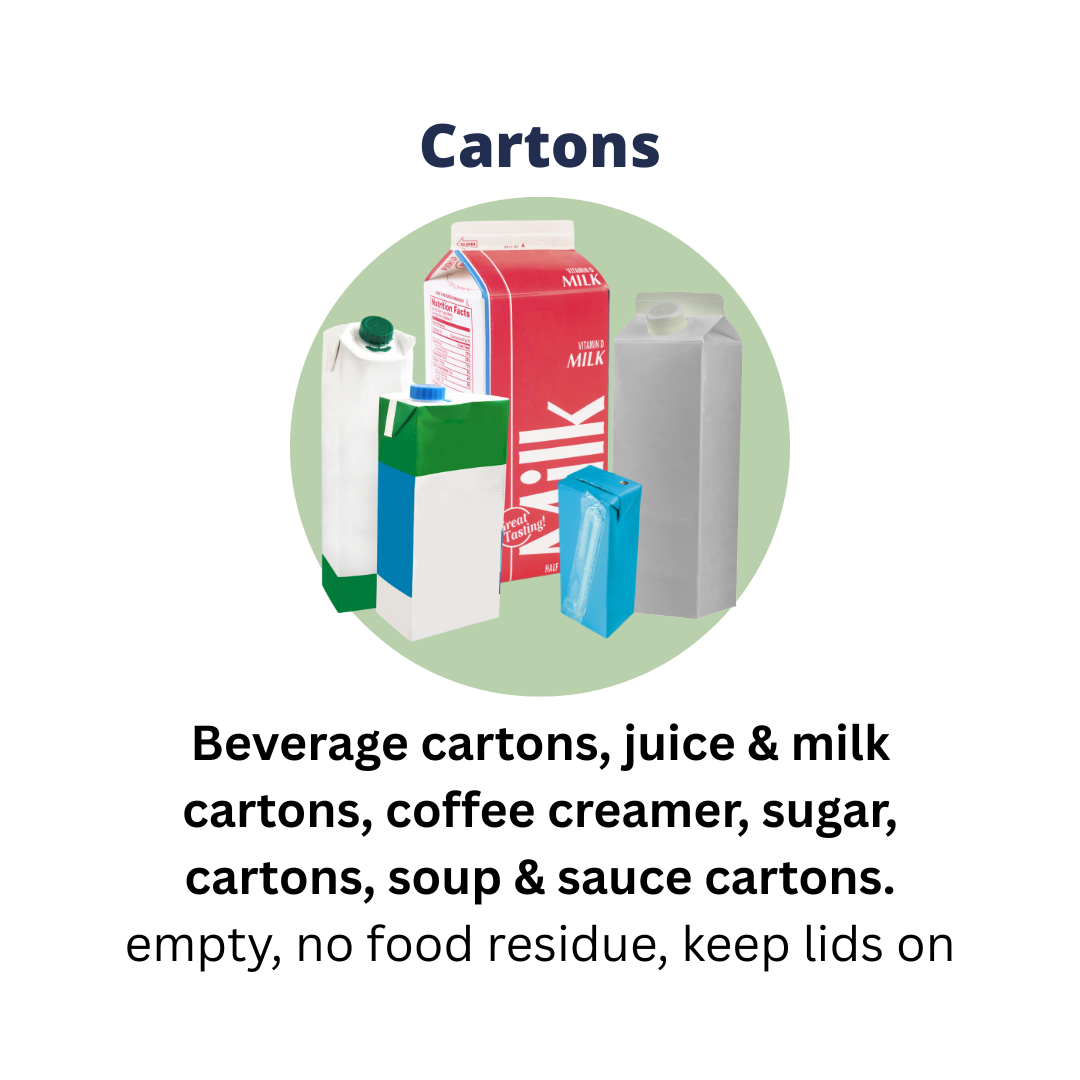
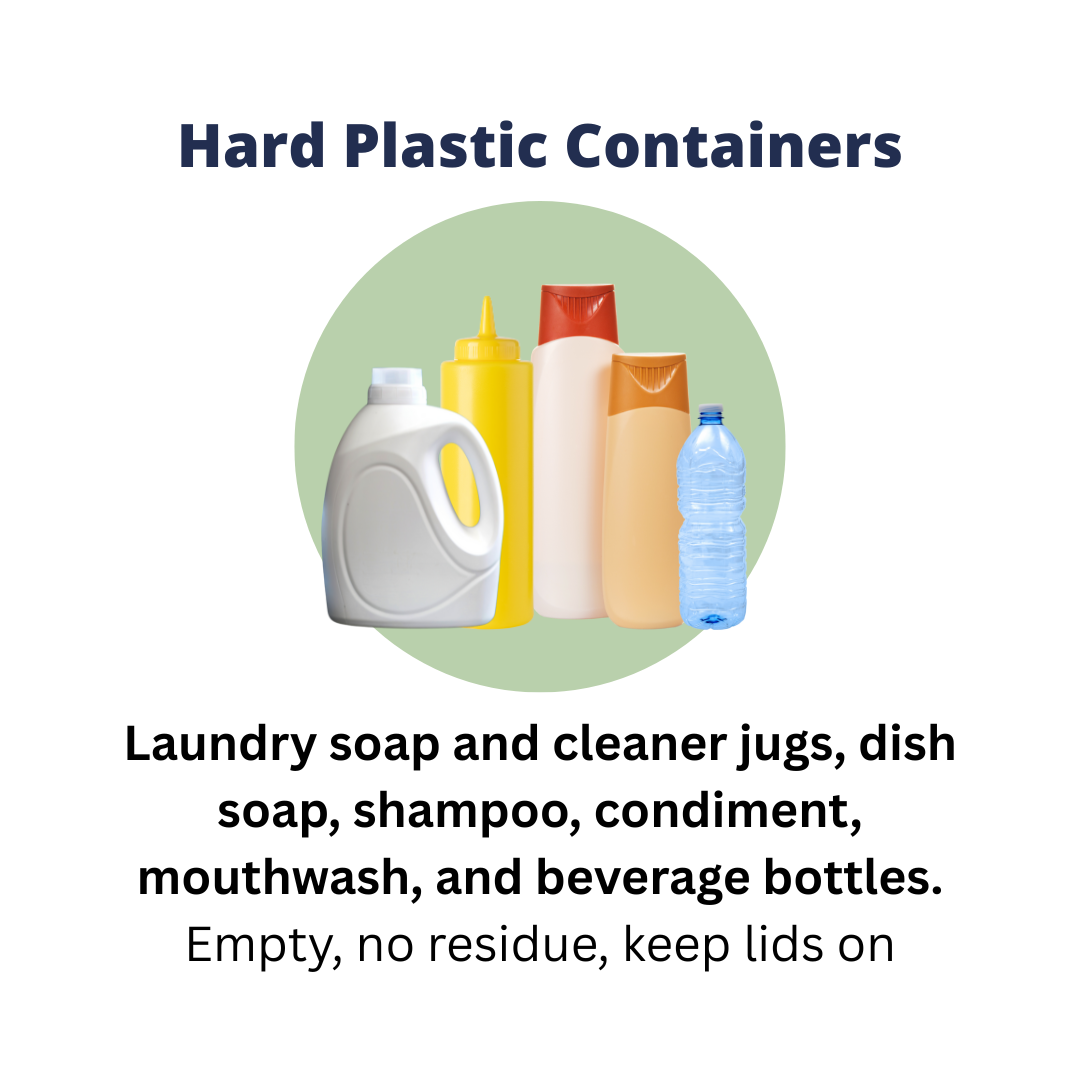
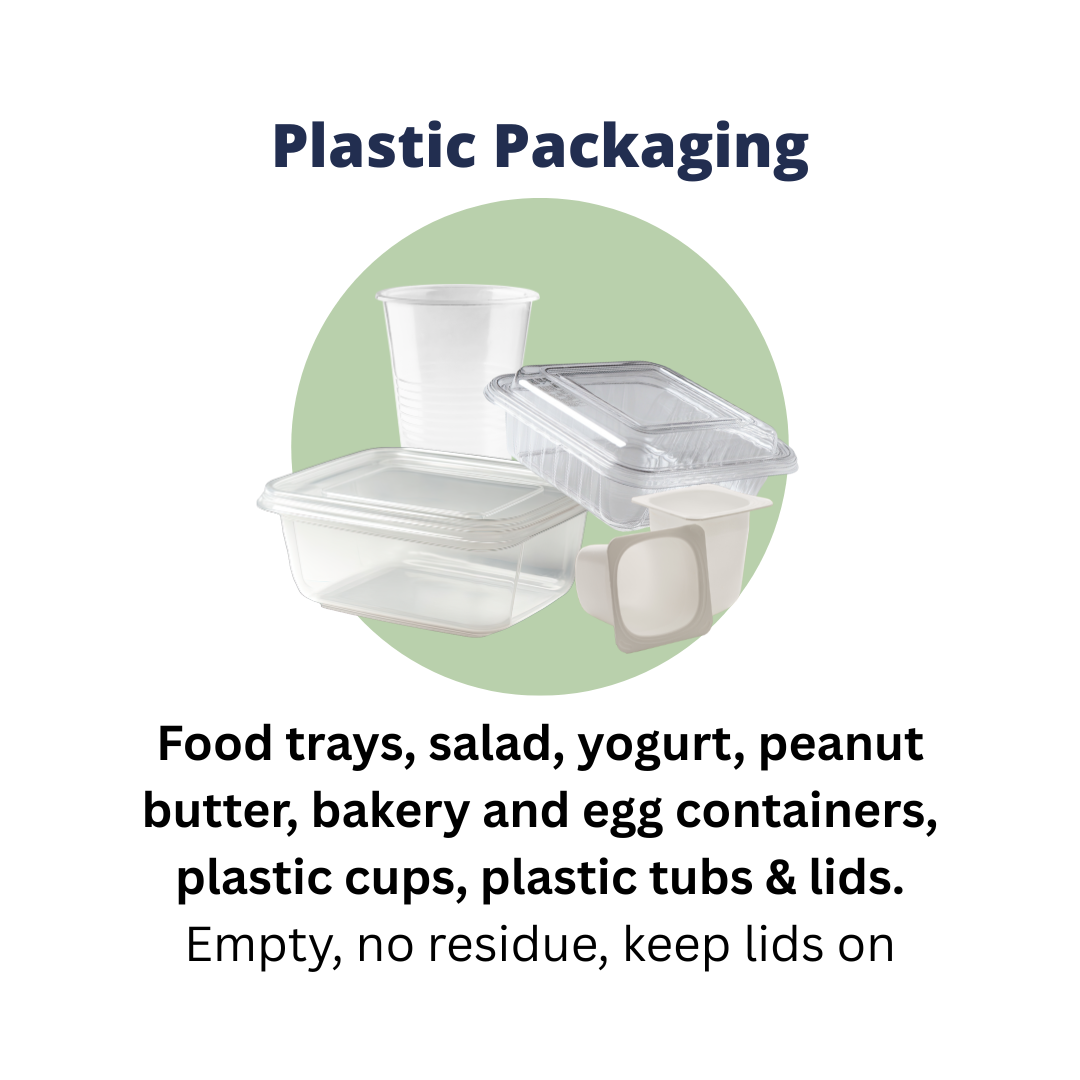
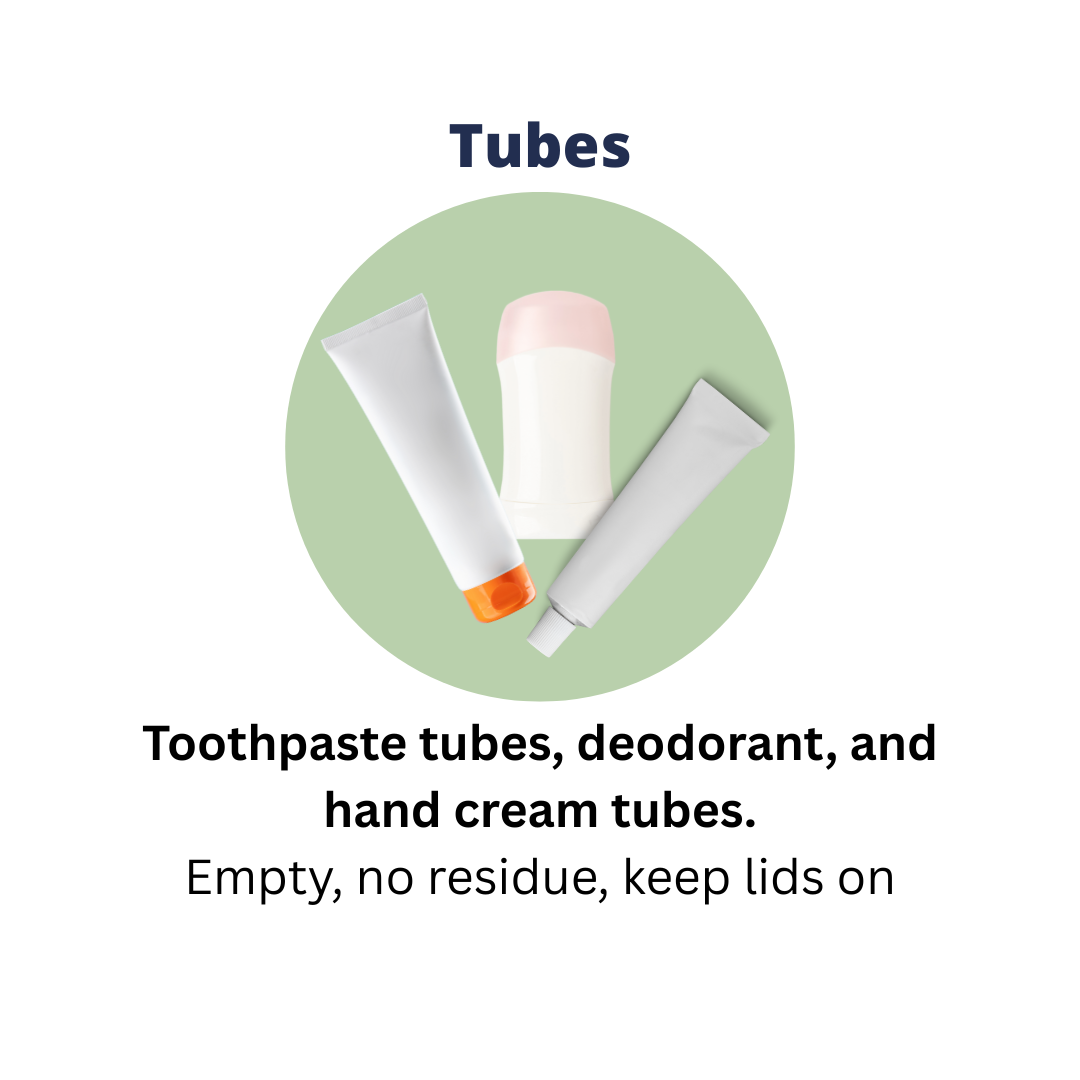
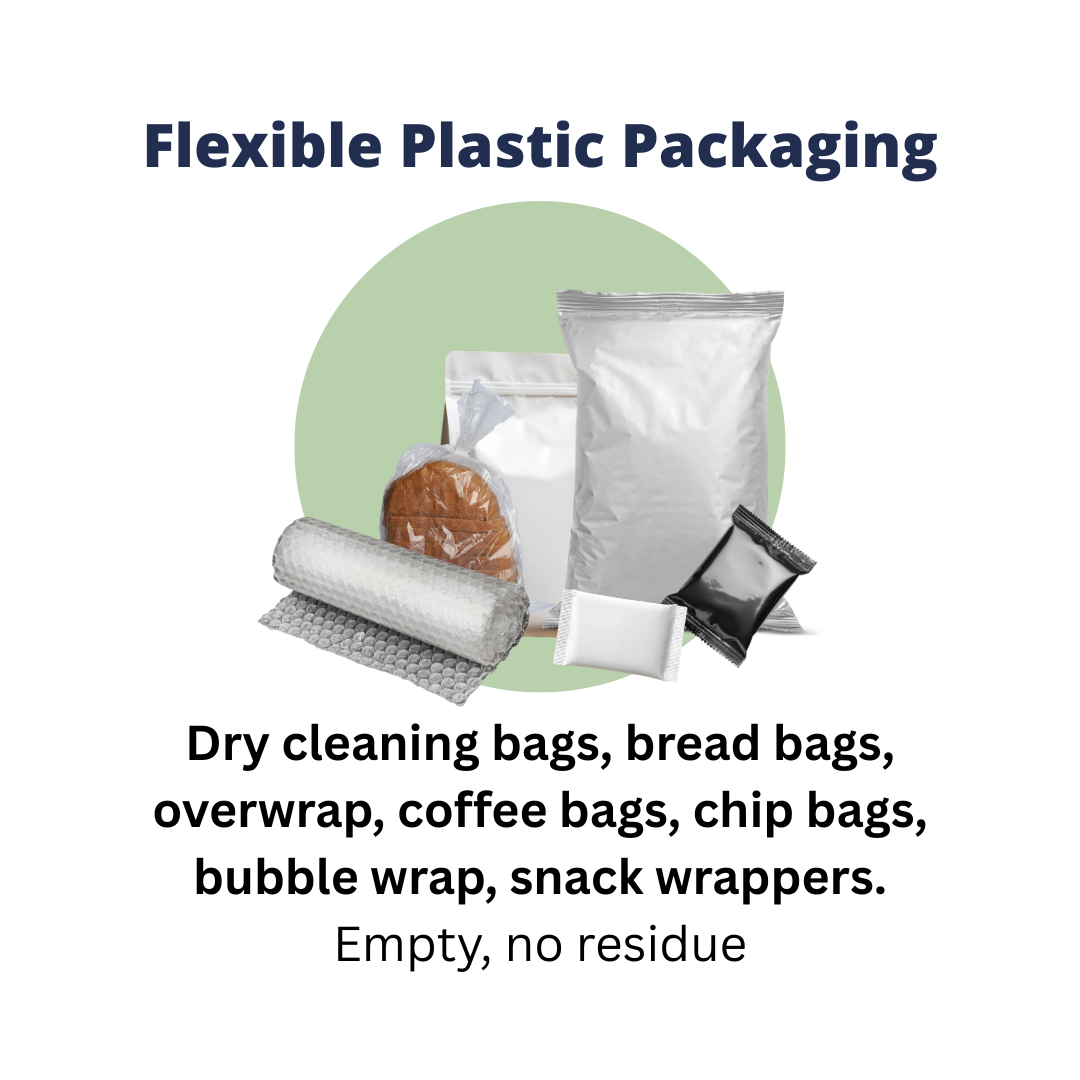
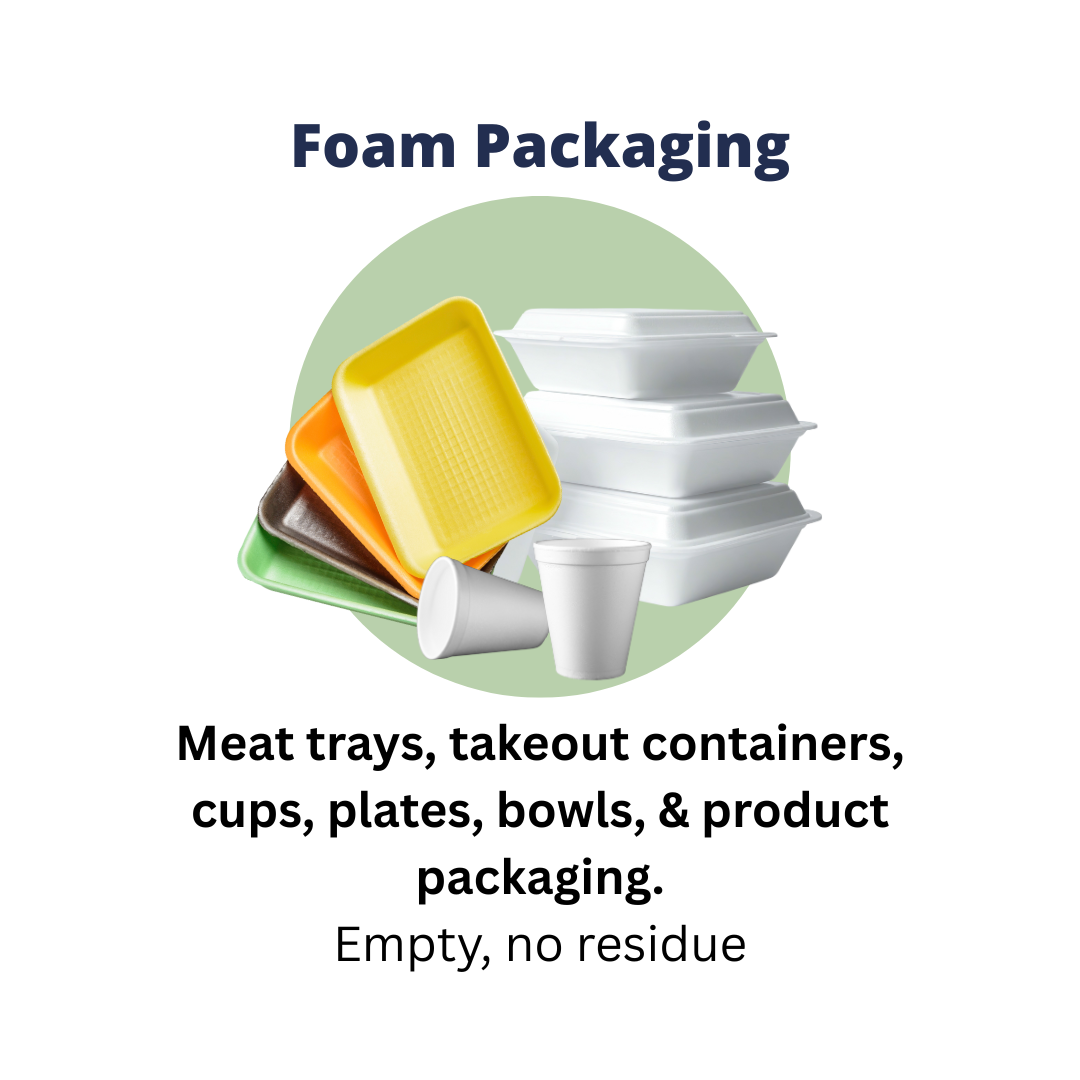
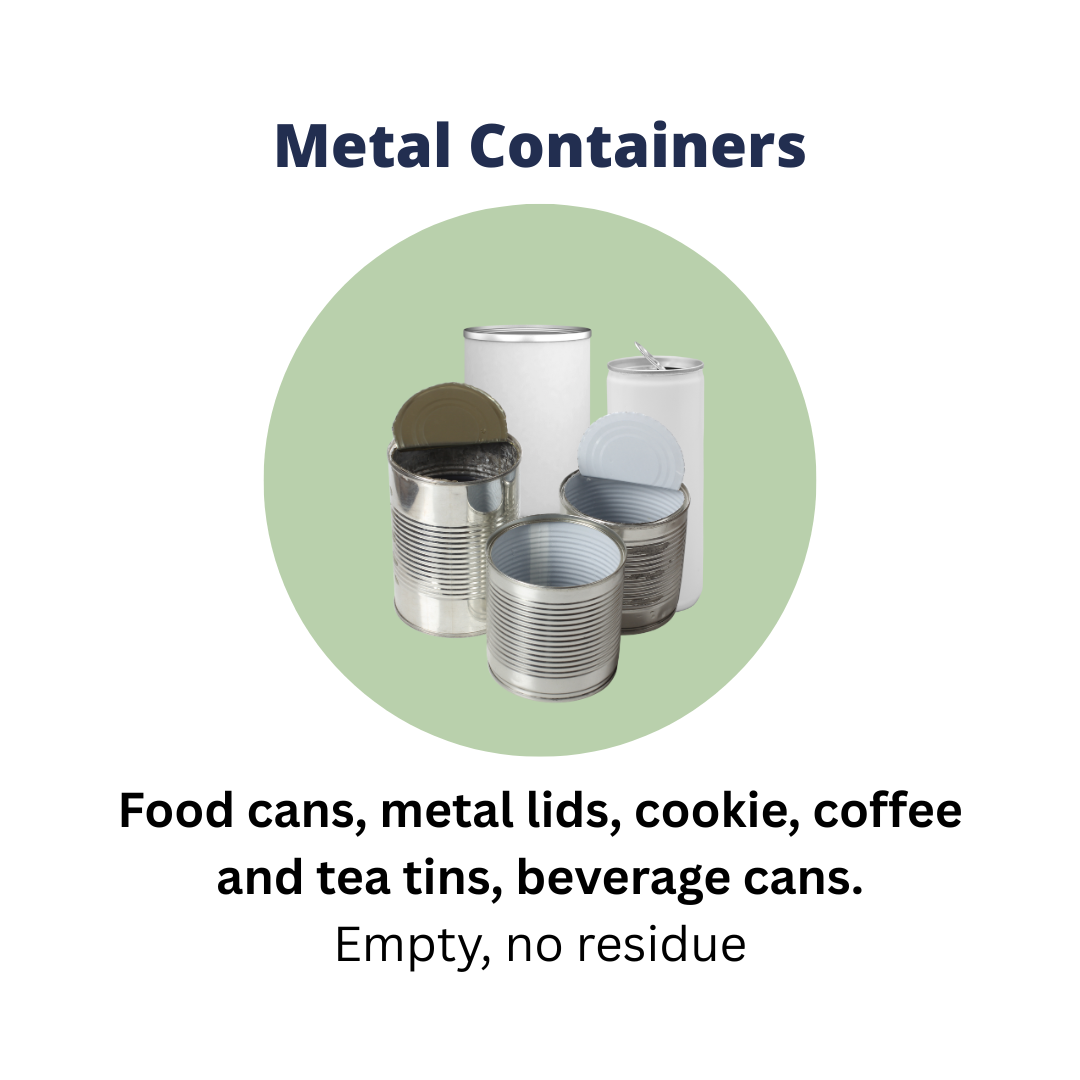
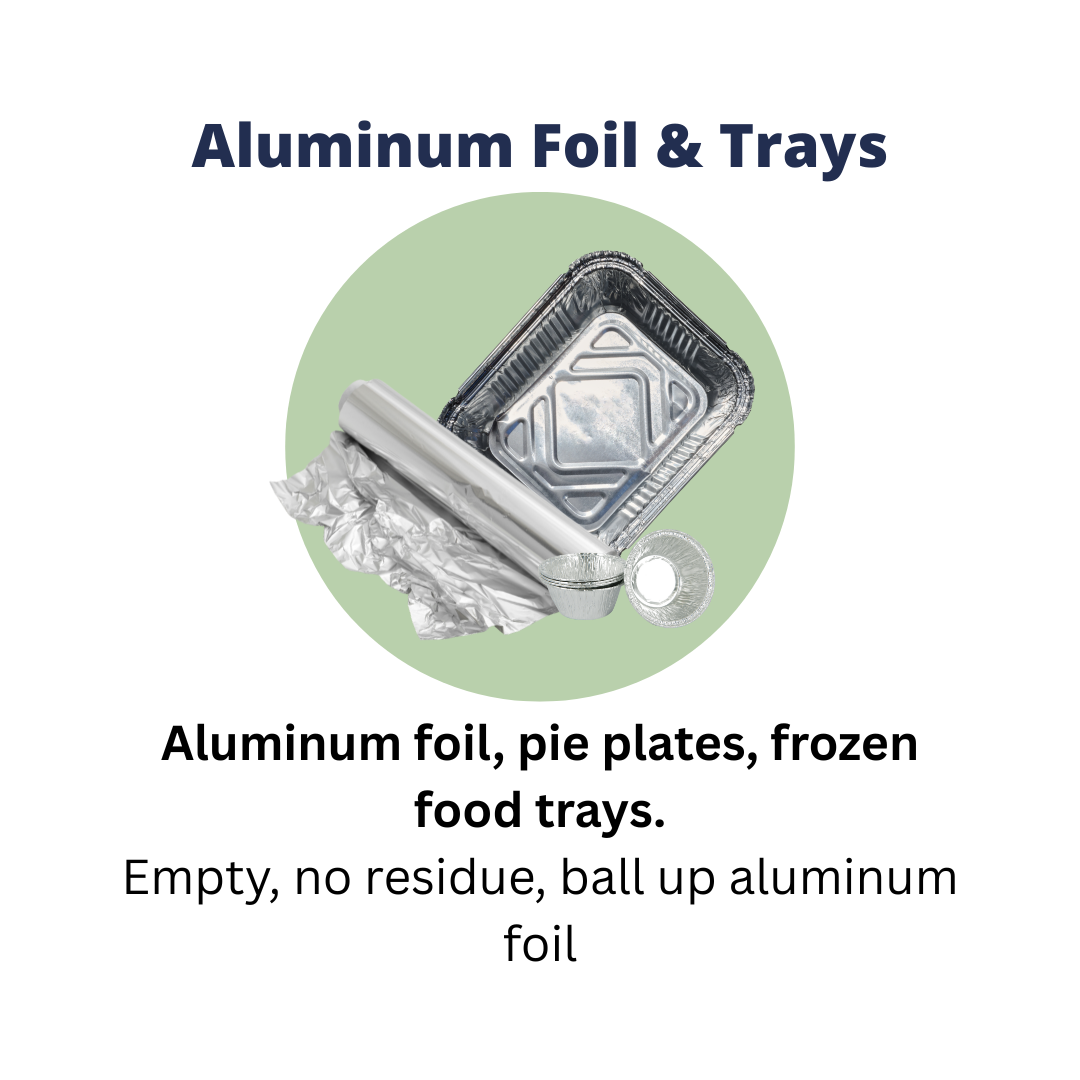
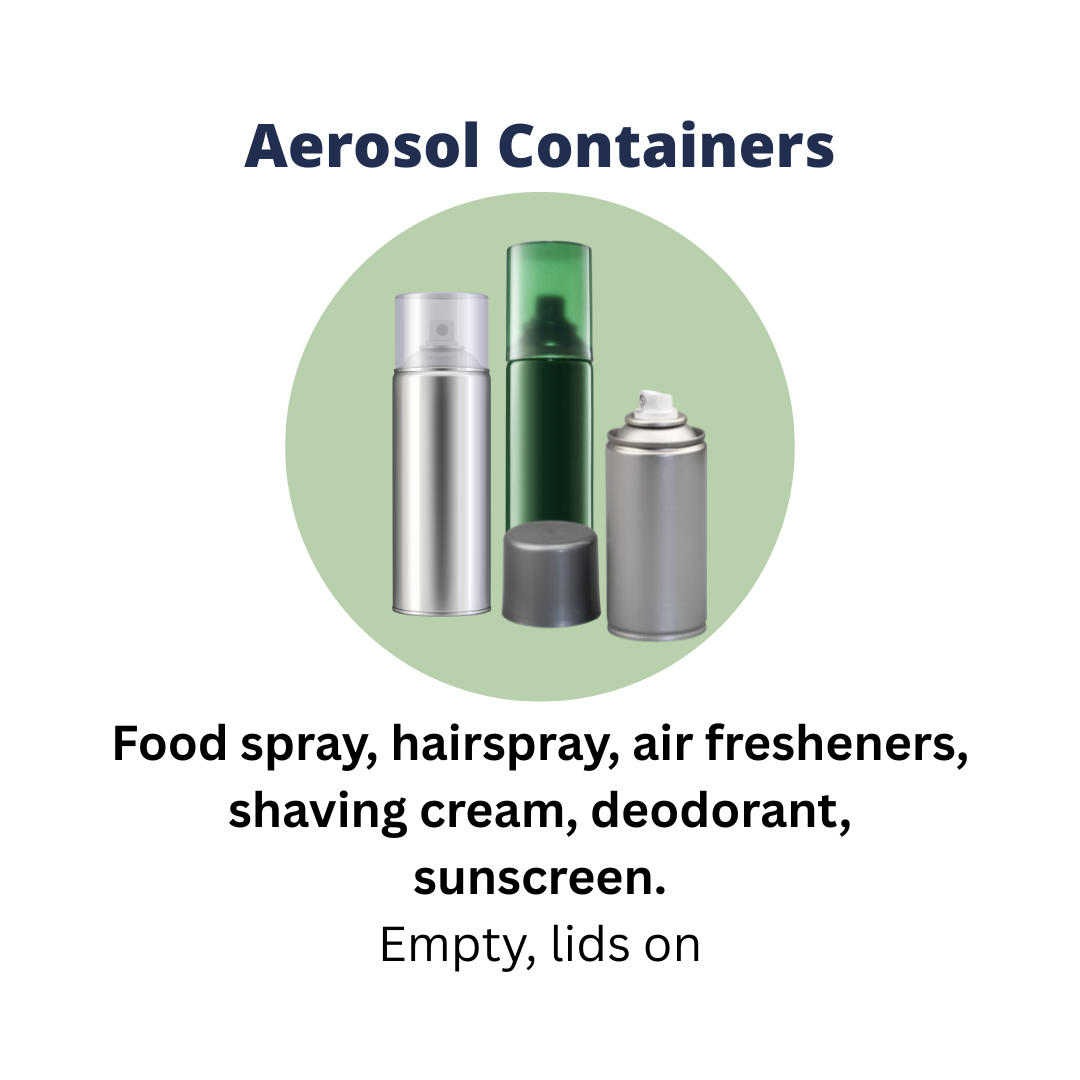
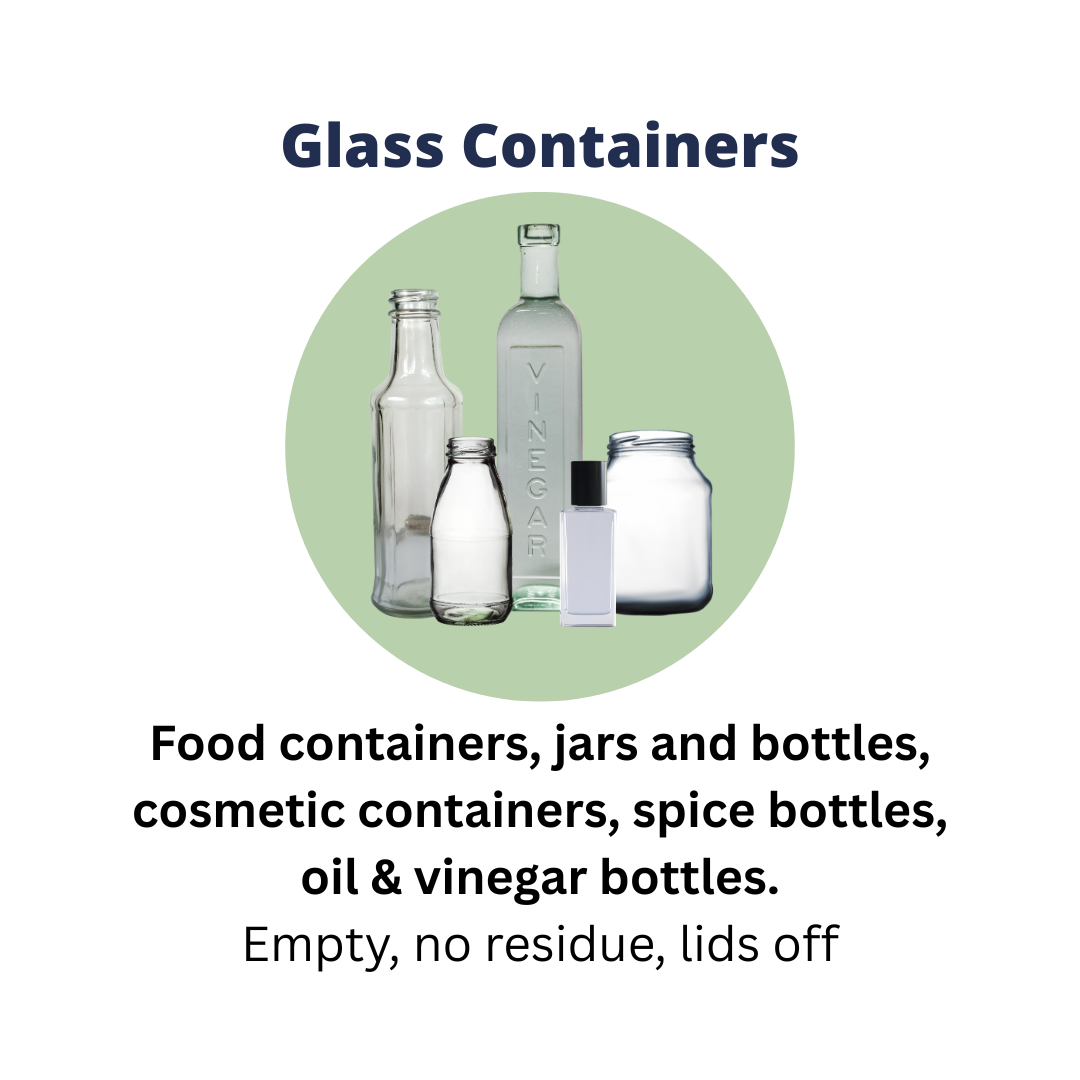
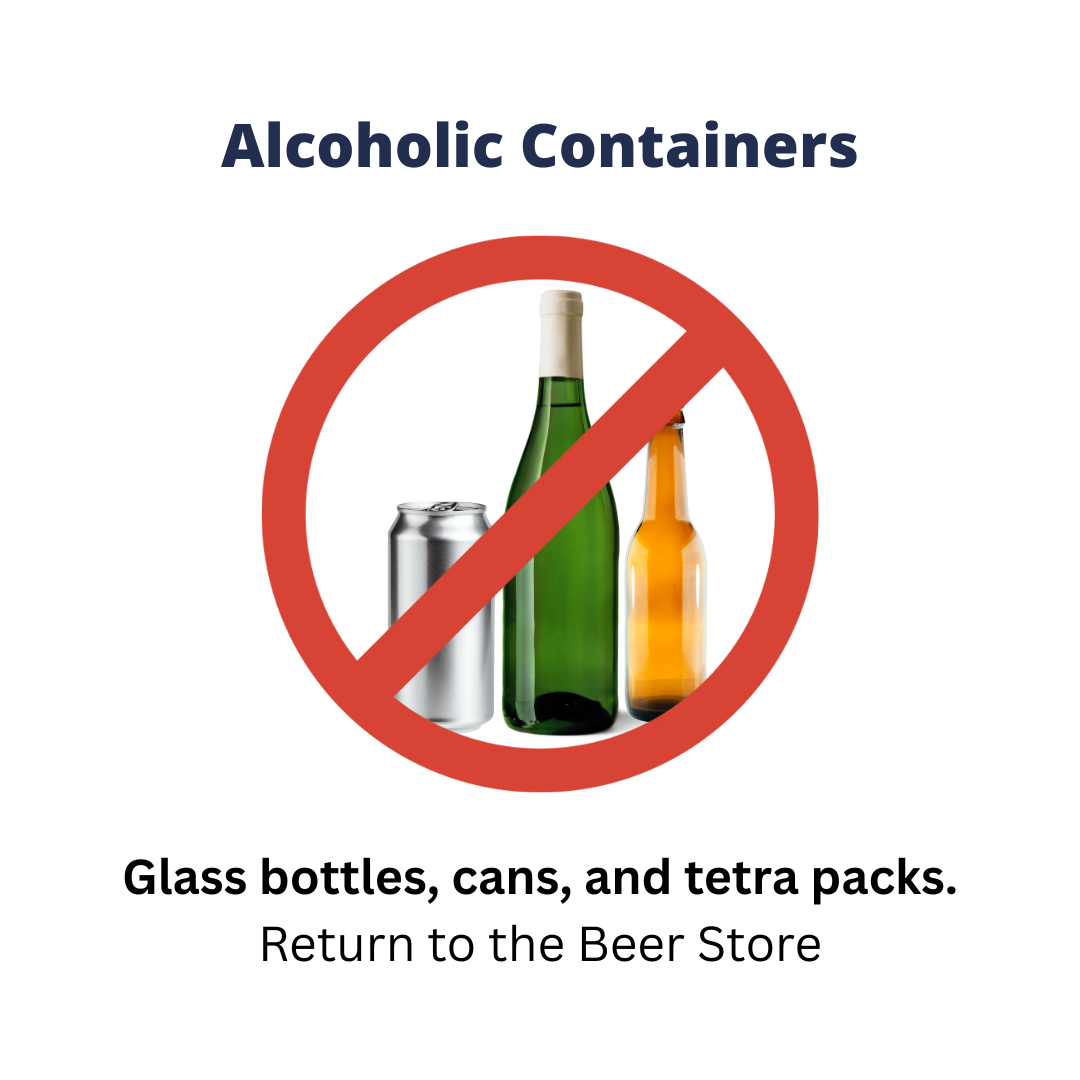
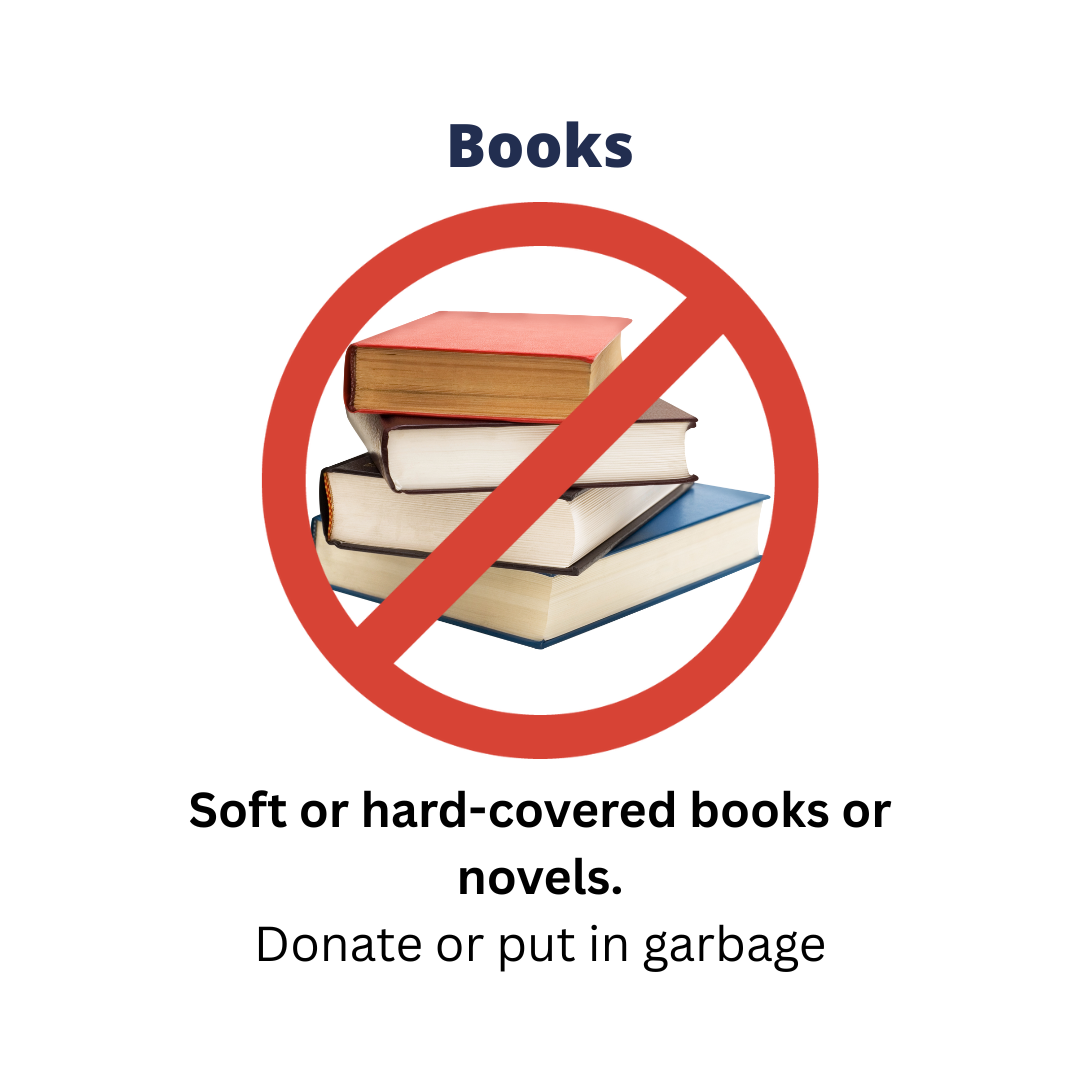
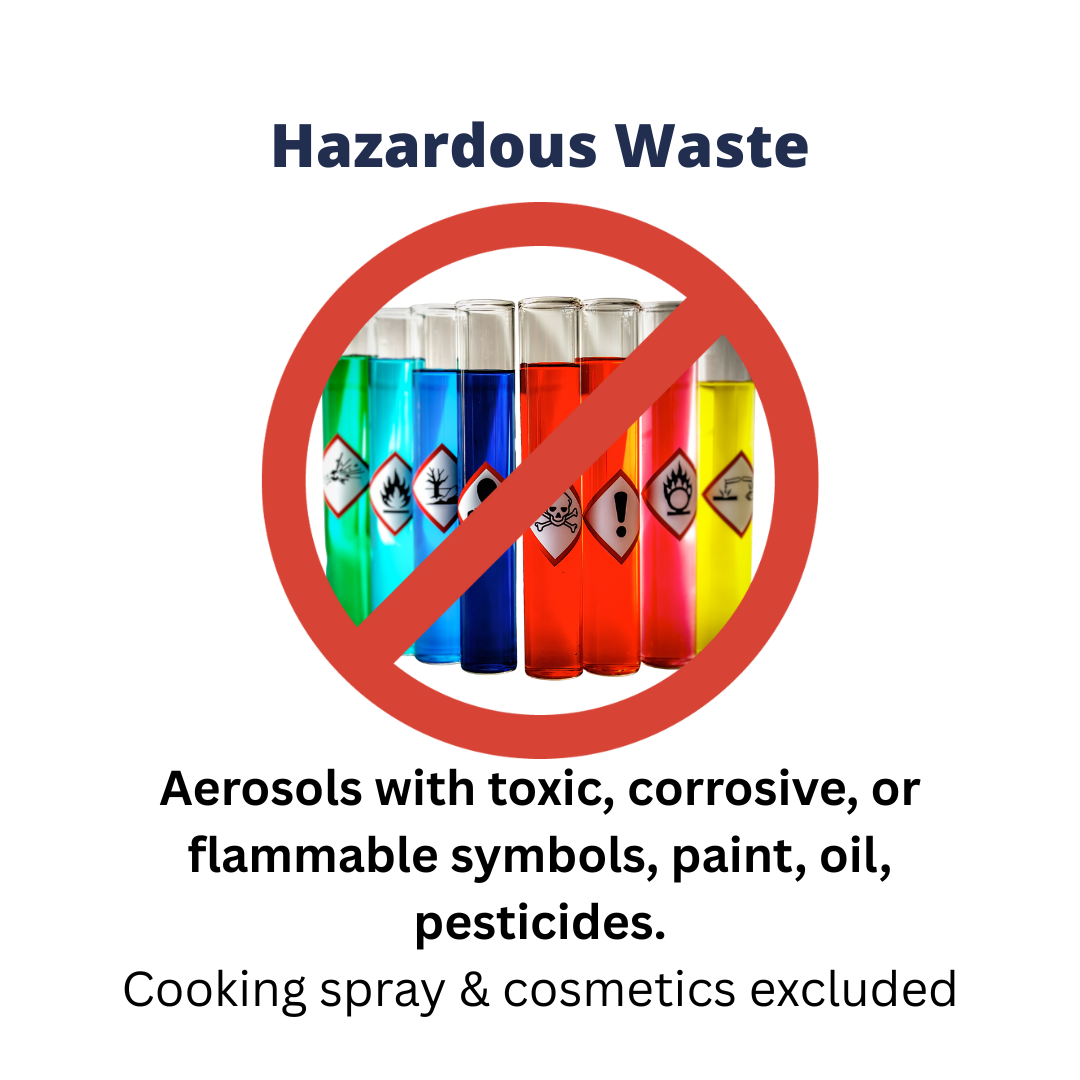
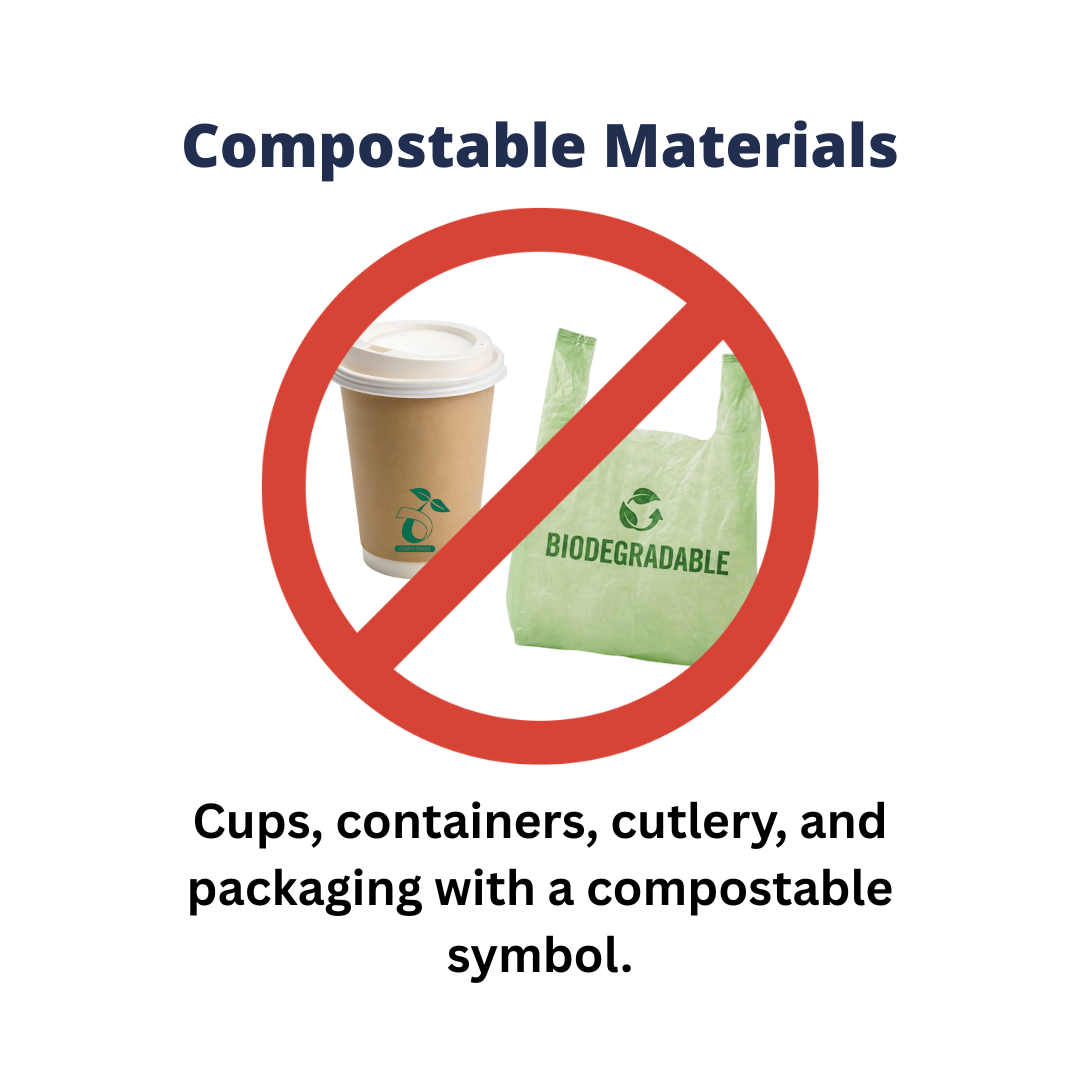
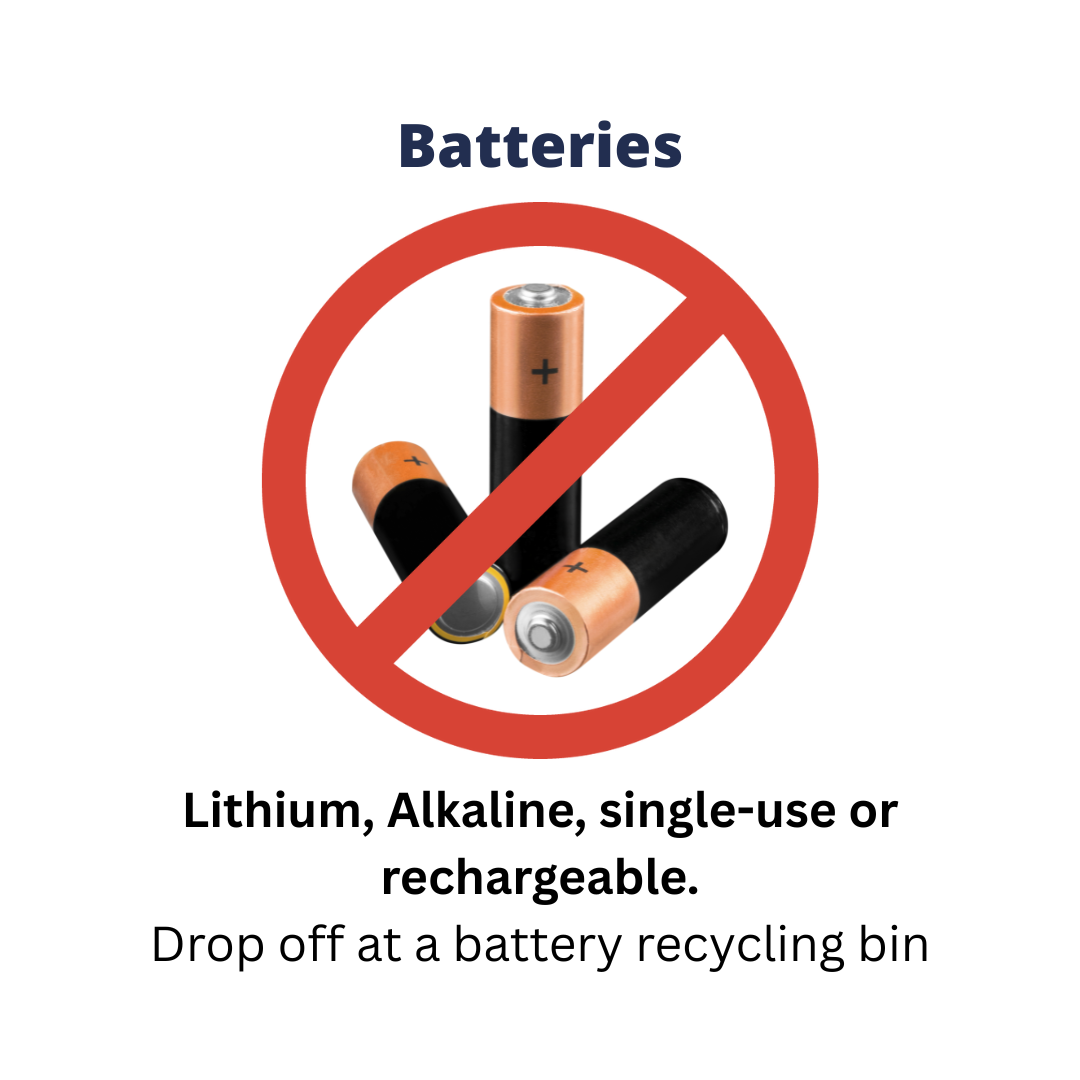
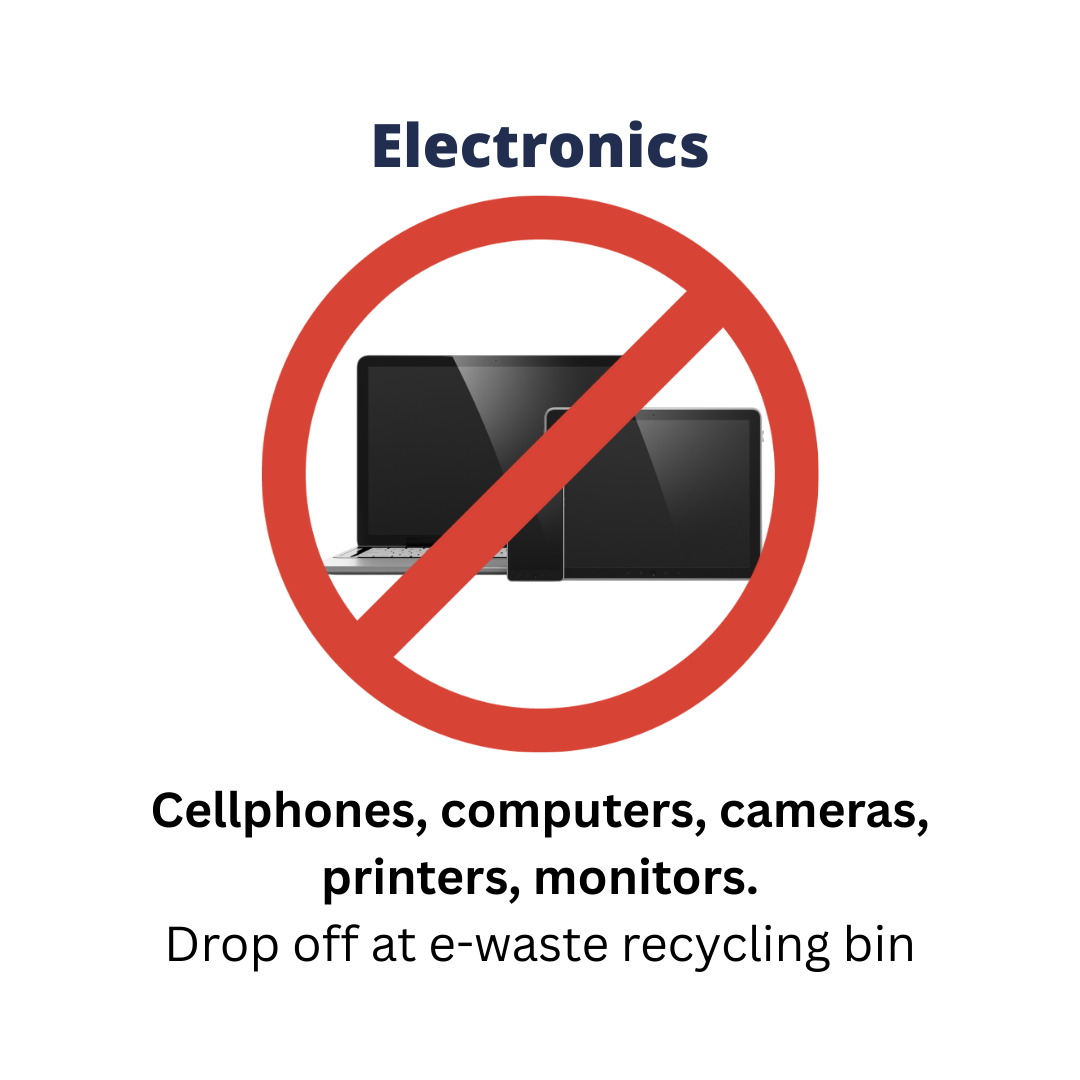
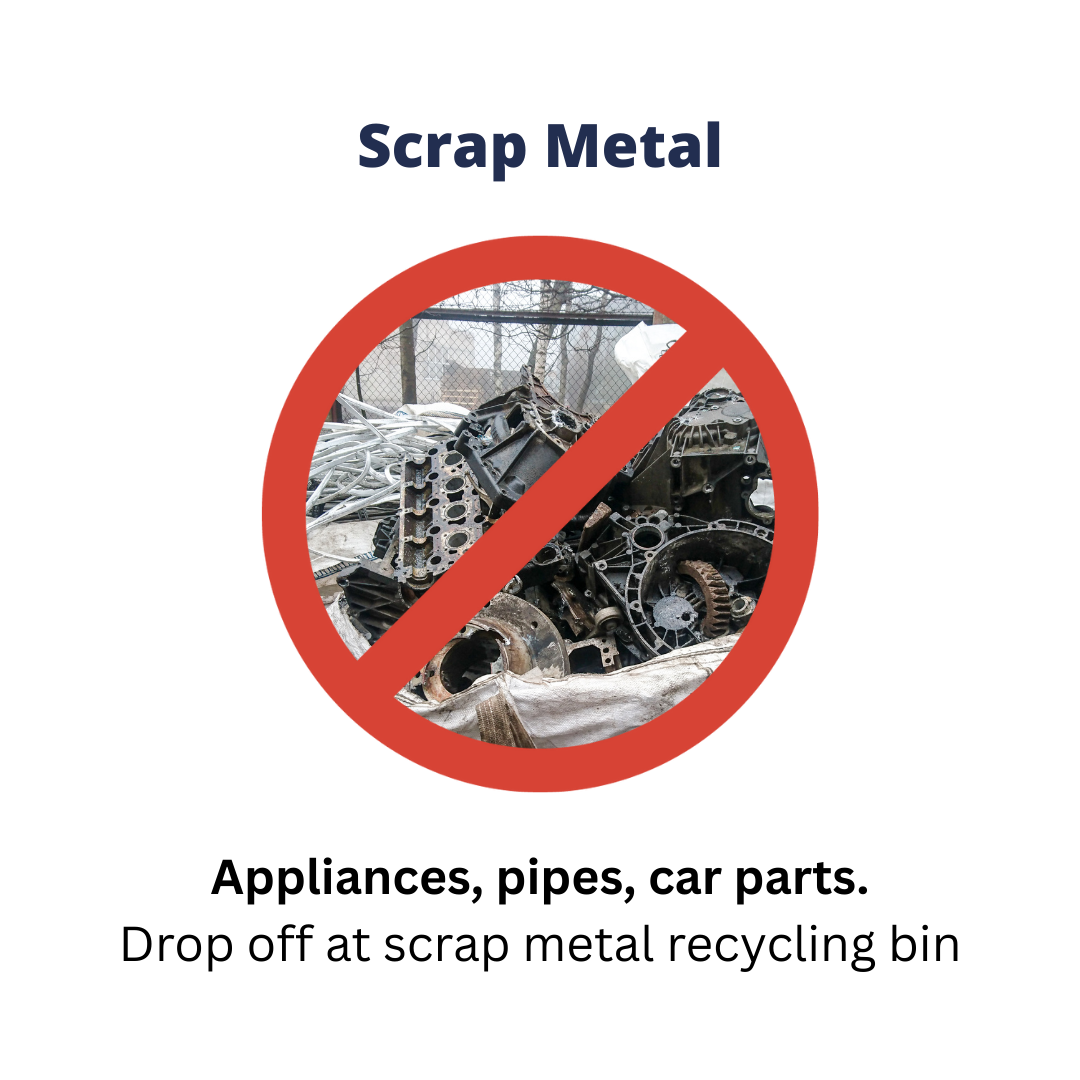
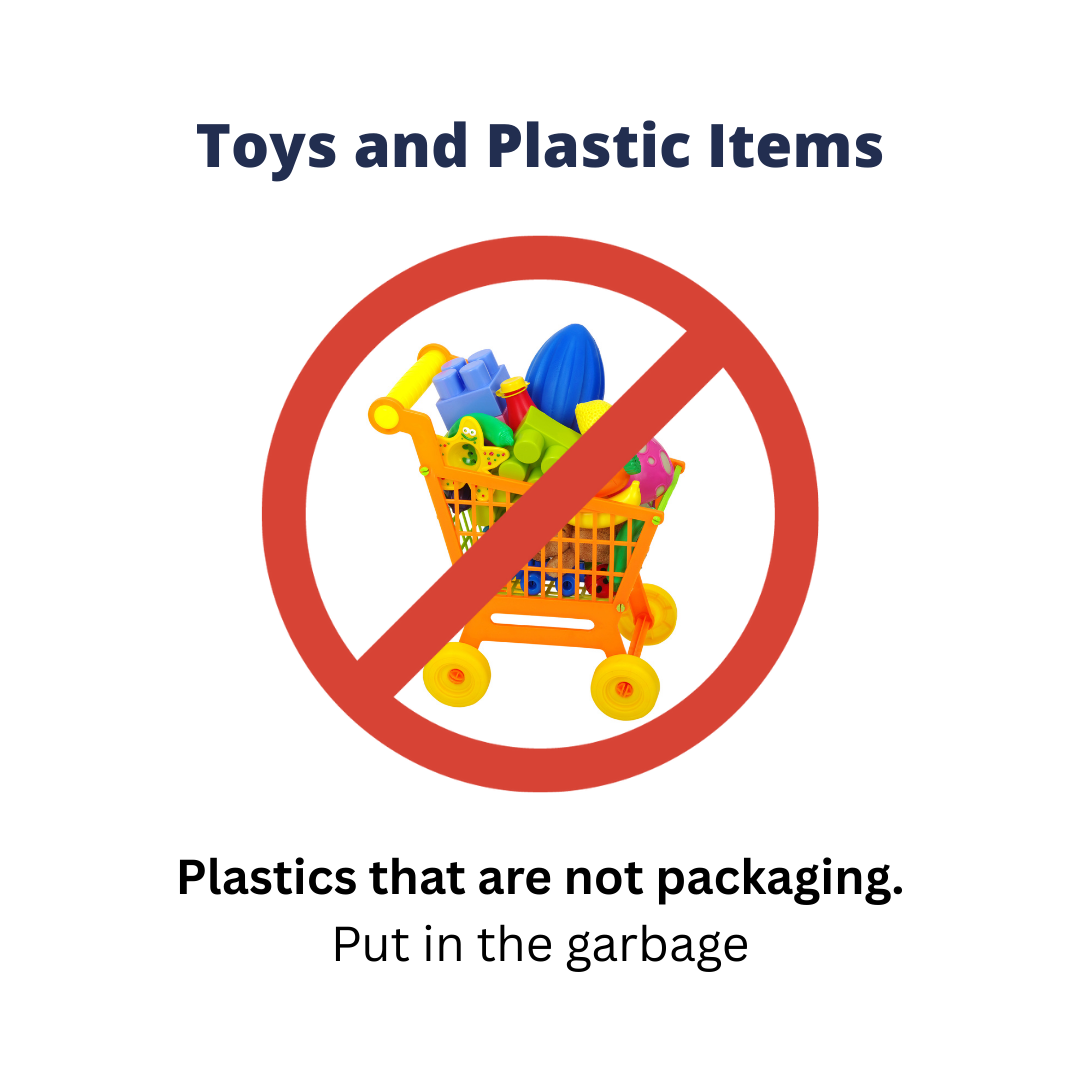
One of the most exciting parts of the 2026 Blue Box update is the expanded list of accepted materials. Across all of Ontario, the same items will be allowed in the Blue Box. This means families will be able to recycle more packaging than ever before, reducing landfill waste and improving recycling rates. Even with the expanded list, some items still cannot go in the Blue Box. If an item is not on the official accepted list, it does not belong in the Blue Box. This helps keep the recycling stream clean and easier to process.
Accepted Items


Unaccepted Items

Who Runs the New Blue Box Program?
Starting in 2026, a group called Circular Materials will run Ontario’s recycling system on behalf of producers. They will:
Hire recycling companies
Manage collection routes
Offer customer service
Maintain the province-wide list of accepted materials
Ensure recyclables are actually recycled, not landfilled
Under Ontario law, producers must now meet specific recycling targets for materials like paper, plastics, metal, and glass. These targets increase over time, especially for plastics. If companies fail to meet them, they can face regulatory penalties. This means recycling results are no longer optional; they are legally required.
Municipalities will step away from recycling but will still handle garbage, green bins, and yard waste. While municipalities will no longer pay for recycling collection, any savings to property taxes are expected to be small. Cities previously shared costs with industry and still manage garbage and green bin programs. The biggest change is not lower taxes, but clearer responsibility for recycling outcomes.
Where Do Recyclables Go Under Ontario’s New Recycling System?
The recycling path looks similar, but with stronger accountability:
You put recyclables in your Blue Box.
Circular Materials contractors pick them up.
Materials are sorted at a recycling facility.
Sorted materials are sold to processors who turn them into new products.
Because producers must meet legal recycling targets, they now have strong incentives to ensure materials are actually recycled, not just collected. This includes investing in better sorting technology and designing packaging that is easier to recycle. Under the new system, producers must track and report where recycled materials end up. Many materials are processed in Ontario or elsewhere in North America, and companies are encouraged to use recycled materials in new packaging. This added oversight helps prevent recyclables from being landfilled or sent to unreliable overseas markets.
How These Changes Help the Environment
Ontario’s 2026 recycling changes will:
✔ Increase recycling rates. A single, province-wide list reduces confusion and contamination.
✔ Reduce landfill waste. More accepted items = less garbage.
✔ Encourage better packaging. If producers must pay to recycle hard-to-recycle items, they are more likely to redesign them.
✔ Support the circular economy. More recycled content means fewer new materials need to be created.
✔ Reduce emissions. Recycling uses less energy than producing materials from scratch.
Ontario is not the first place to make this kind of change. Extended Producer Responsibility (EPR) has been used successfully in other parts of Canada and around the world.
In British Columbia, a producer-run recycling system has been in place since 2014. With consistent rules across the province and companies responsible for collecting and recycling packaging, B.C. has achieved higher recycling rates and more consistent recycling practices than many other regions in Canada. The system has also expanded the range of accepted materials and improved public understanding of recycling.
Across Europe, producer responsibility systems have been used for decades. Many countries now recycle 70% or more of their packaging waste, especially paper, metal, and glass. Because companies pay for recycling, they have redesigned packaging and invested in stronger recycling infrastructure, leading to better results.
Ontario’s new recycling system builds on these proven models. By learning from places where EPR already works, Ontario is setting itself up for better recycling outcomes, less waste, and a stronger circular economy. With more materials accepted and the same simple routine at home, recycling will become easier and more effective for everyone.
FAQ: Ontario’s New Recycling System (2026)
-
Ontario is switching to a producer-run recycling system where companies pay for and manage recycling instead of municipalities.
-
Coffee cups, plastic lids, black plastic, foam packaging, plastic film, toothpaste tubes, deodorant sticks, frozen juice containers, and more. See the chart in the article above.
-
Not likely. Your pick up day should stay the same, but there have been reports that some residents have seen a change in their recycling day or frequency of pick up. Customer service moves to Circular Materials, so they should notify you if there are any changes being made.
-
To increase recycling rates, reduce landfill waste, improve consistency across the province, and make companies responsible for the packaging they create.
-
They reduce waste, support recycling markets, encourage eco-friendly packaging, and strengthen Ontario’s circular economy.
Reference Links:
Circular Materials Ontario – https://www.circularmaterials.ca/recycleontario/
RPRA Blue Box Regulation – https://rpra.ca/programs/blue-box/regulation/
City of Richmond Hill Blue Box Changes – https://www.richmondhill.ca/en/blue-box-program-changes-in-2026.aspx
NOW Toronto article – https://nowtoronto.com
ChatGPT Deep Research Report: Ontario’s New 2026 Recycling System: What’s Changing and How It Works