

What can cigarette litter tell us?
We’re turning cigarette litter collected at hospital and waterfront sites into a detailed record of the filters left behind, one cleanup, one count and one observation at a time.
This pilot study explores how often discarded cigarette filters display a Canadian health warning, how the findings differ across collection sites, and how community cleanups can contribute to environmental research.
Current Dataset. This project is a pilot study, is still developing its methods, and has not yet produced a peer-reviewed publication.
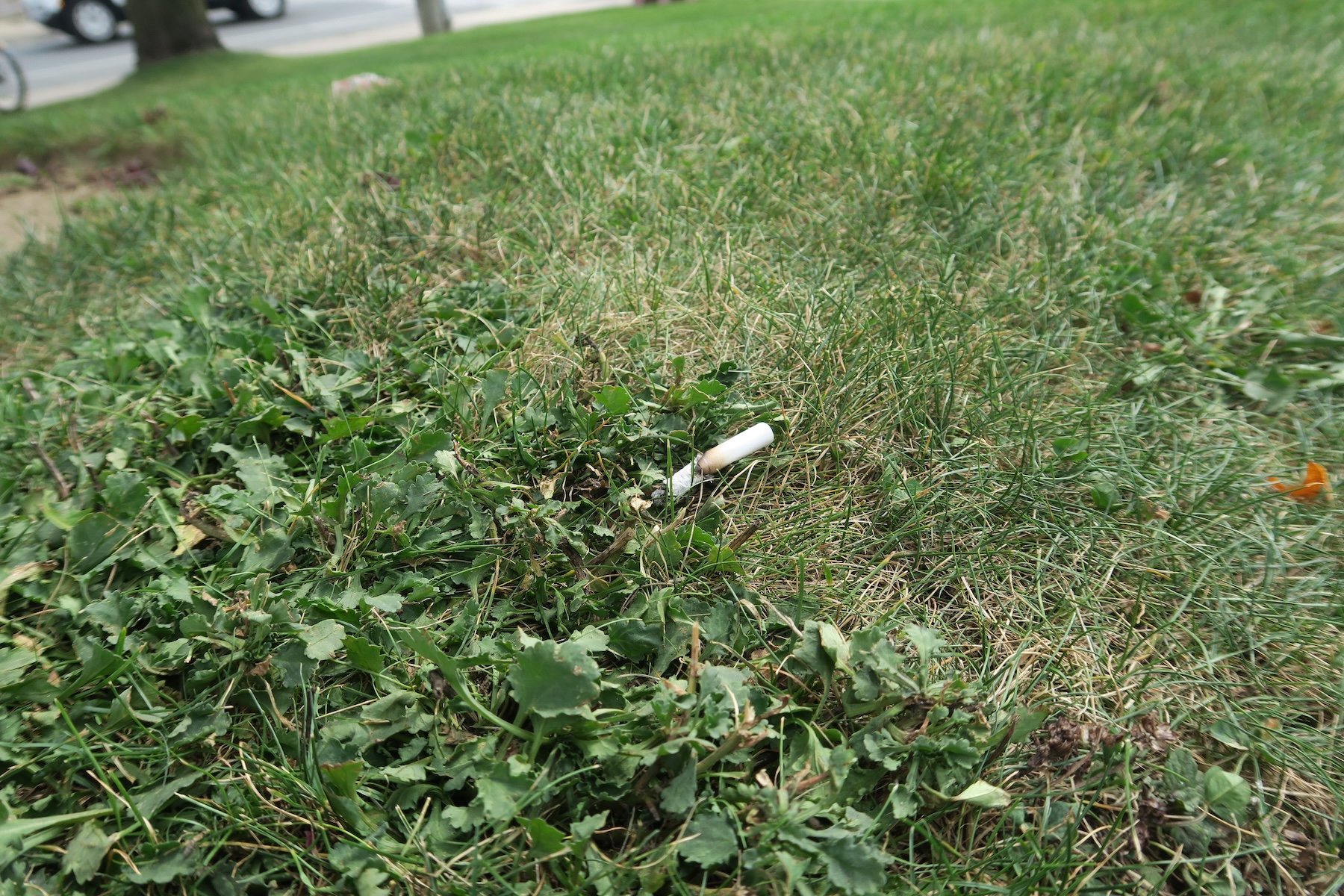
Why study cigarette litter?
Through our litter cleanup programs, A Greener Future collects cigarette litter in public spaces. Returning to the same locations raised a practical question: could the material we already collect help us understand the mix of cigarette filters being discarded?
We began working with Rothmans, Benson & Hedges Inc. (RBH) to explore that question. The project’s immediate focus is the proportion of collected filters with and without visible Canadian health warnings.
A connection to environmental public health
Environmental public health considers how the places and conditions around us affect health and well-being. This study connects community cleanup work with systematic observation of potentially illicit tobacco products.
Our approach is non-invasive: we study discarded material rather than asking people about their smoking or collecting biological samples.
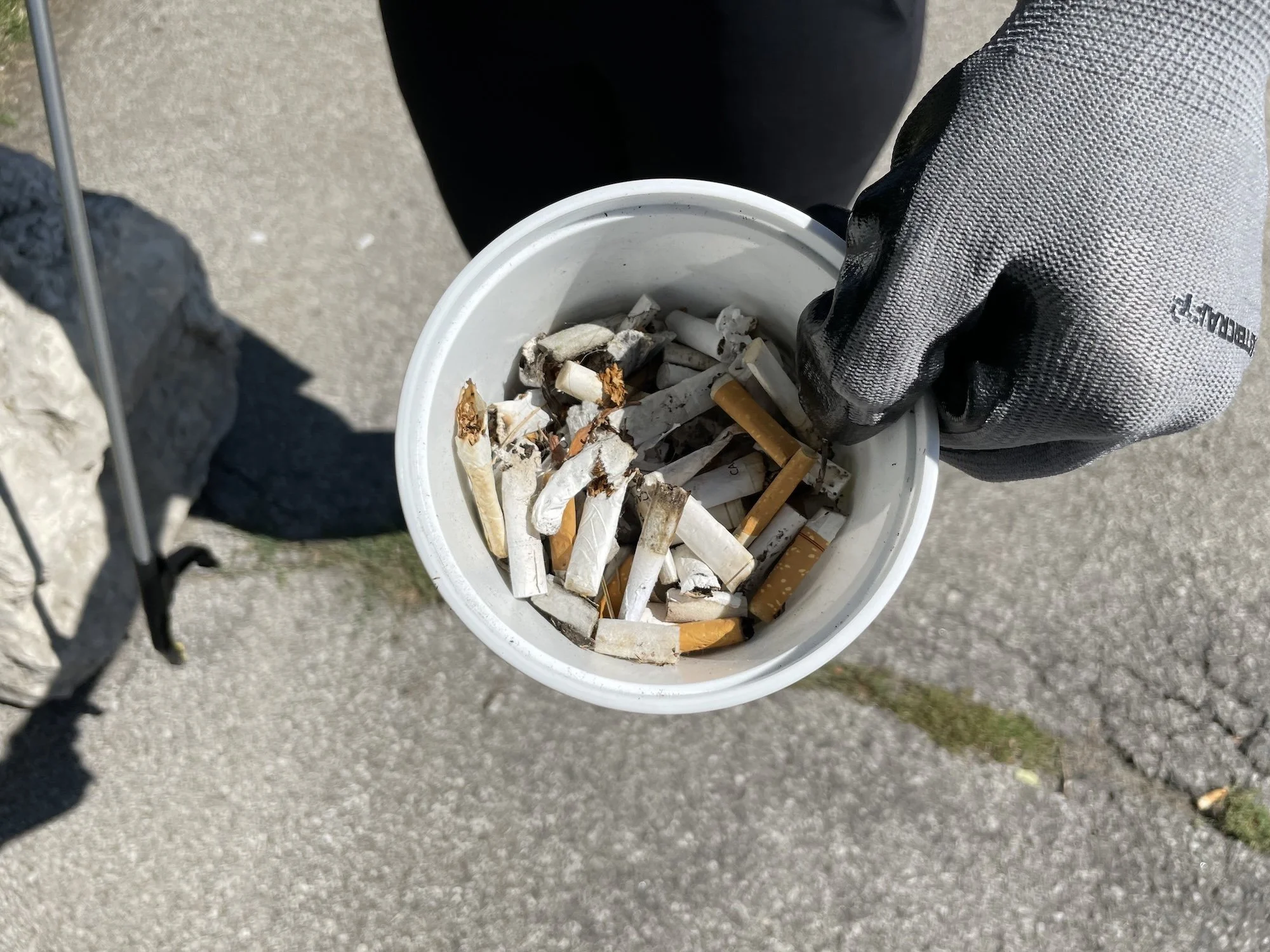
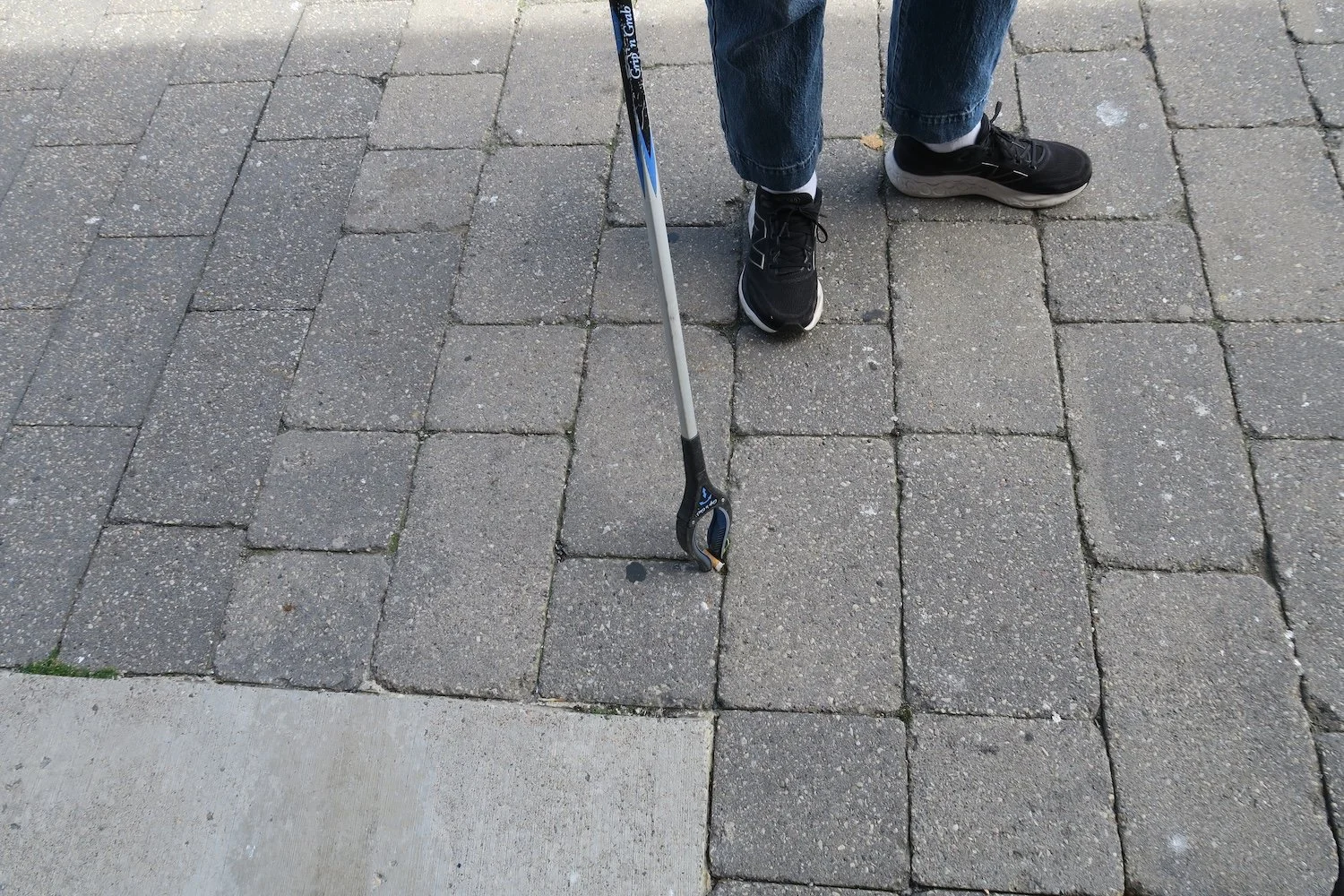
Six sites. Three communities. Two settings.
The study began at Lakeridge Health and Oshawa Pier, where previous cleanups consistently found cigarette litter. We chose a hospital and a waterfront park to explore contrasting settings, then extended that paired approach to sites in Hamilton and Mississauga.
These sites were a convenience sample, selected as previous sites A Greener Future has held cleanup events. Site names describe collection settings and do not imply that the institutions endorse the study or that litter was discarded by any particular group.
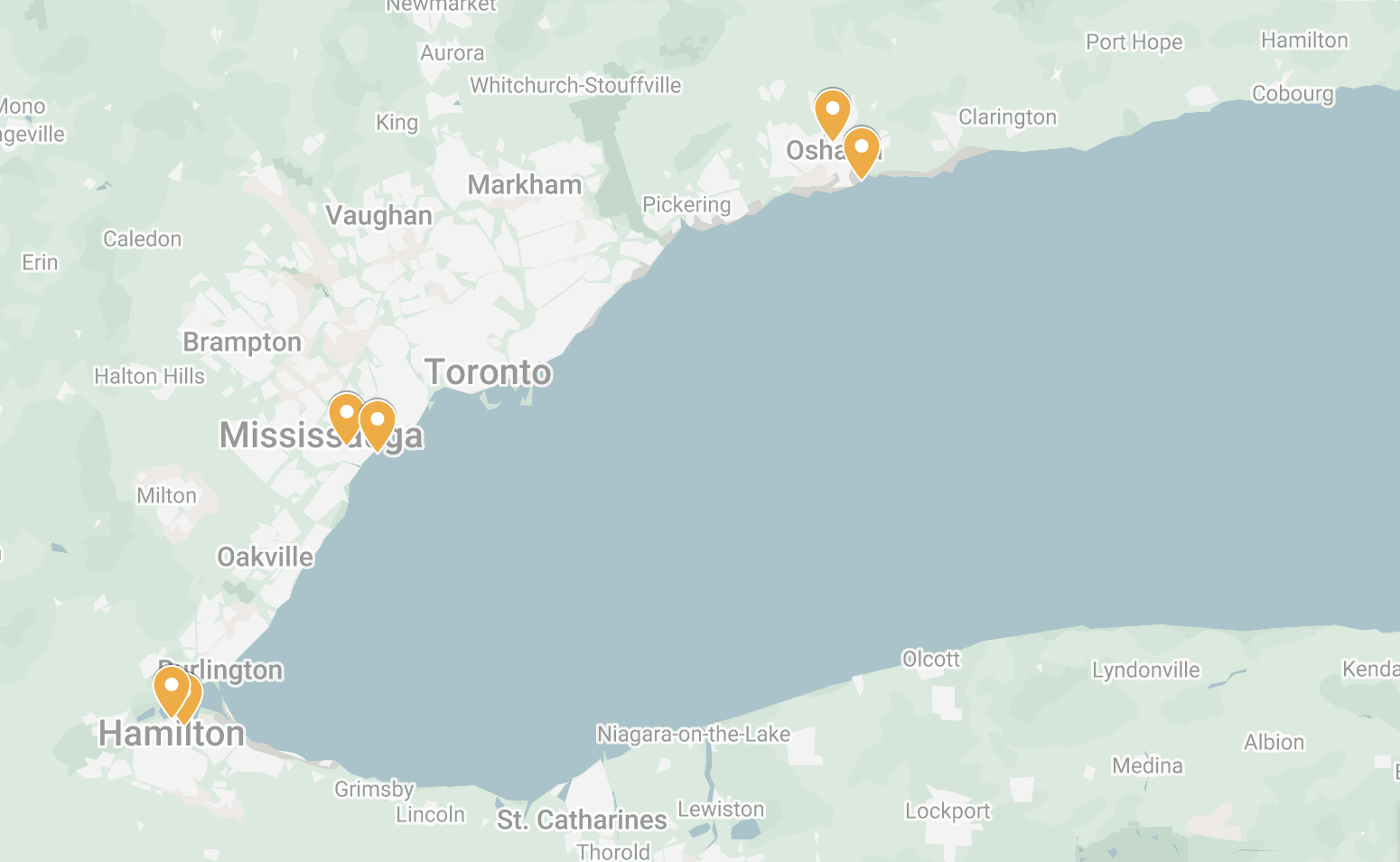
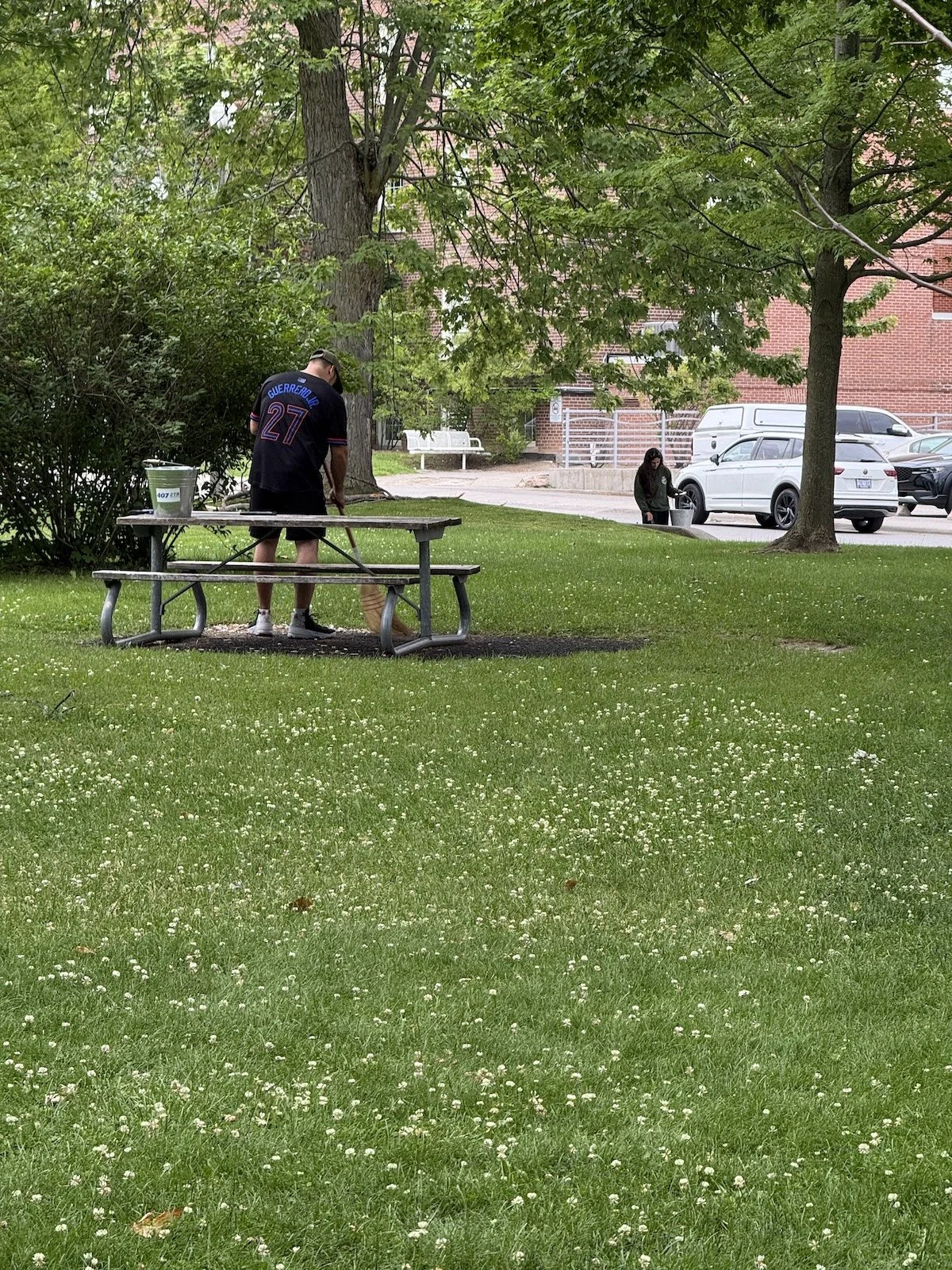
Oshawa
Hospital: Lakeridge Health
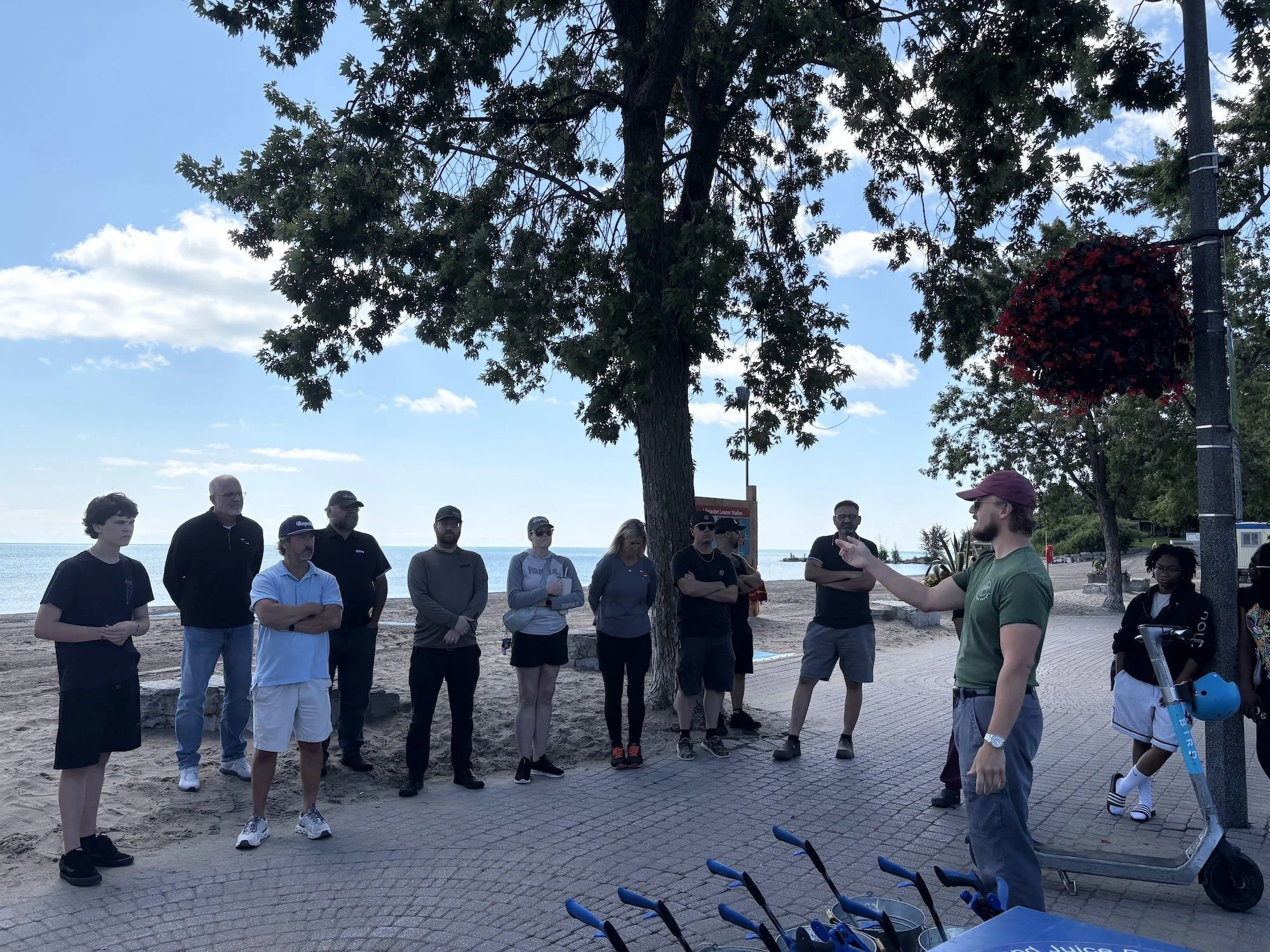
Waterfront: Oshawa Pier at Lakeview Park Beach
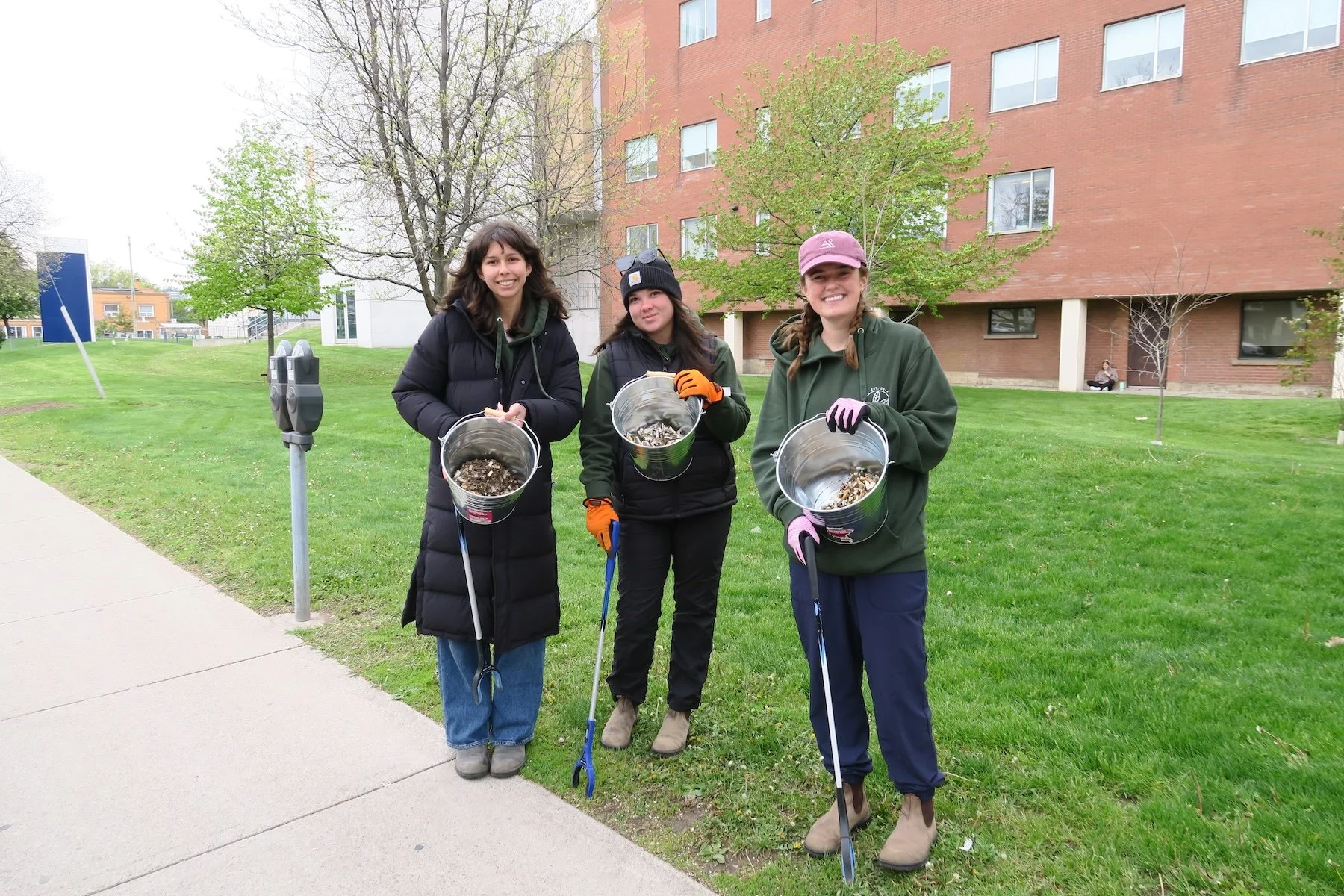
Hamilton
Hospital: Hamilton General Hospital
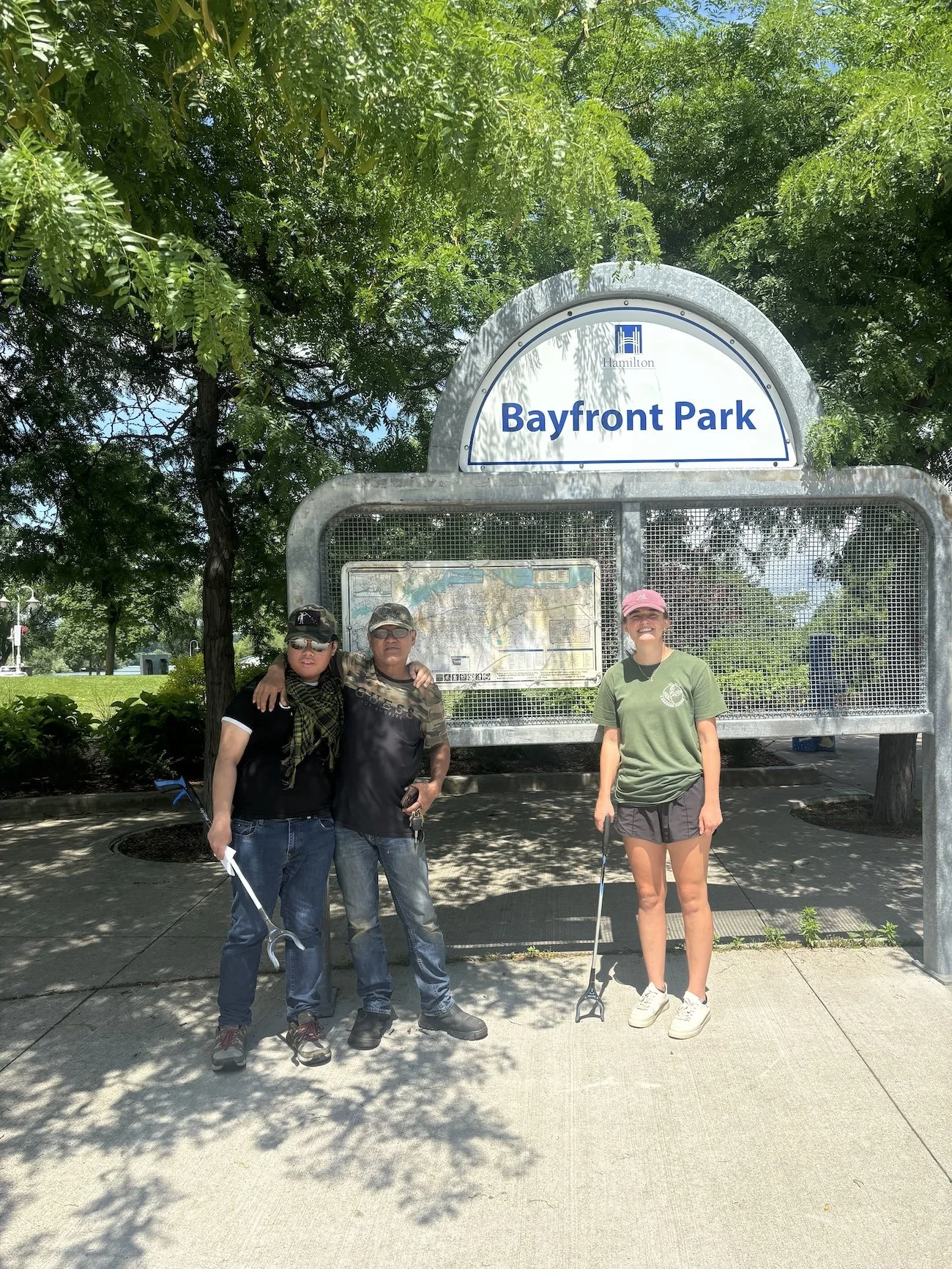
Waterfront: Bayfront Park
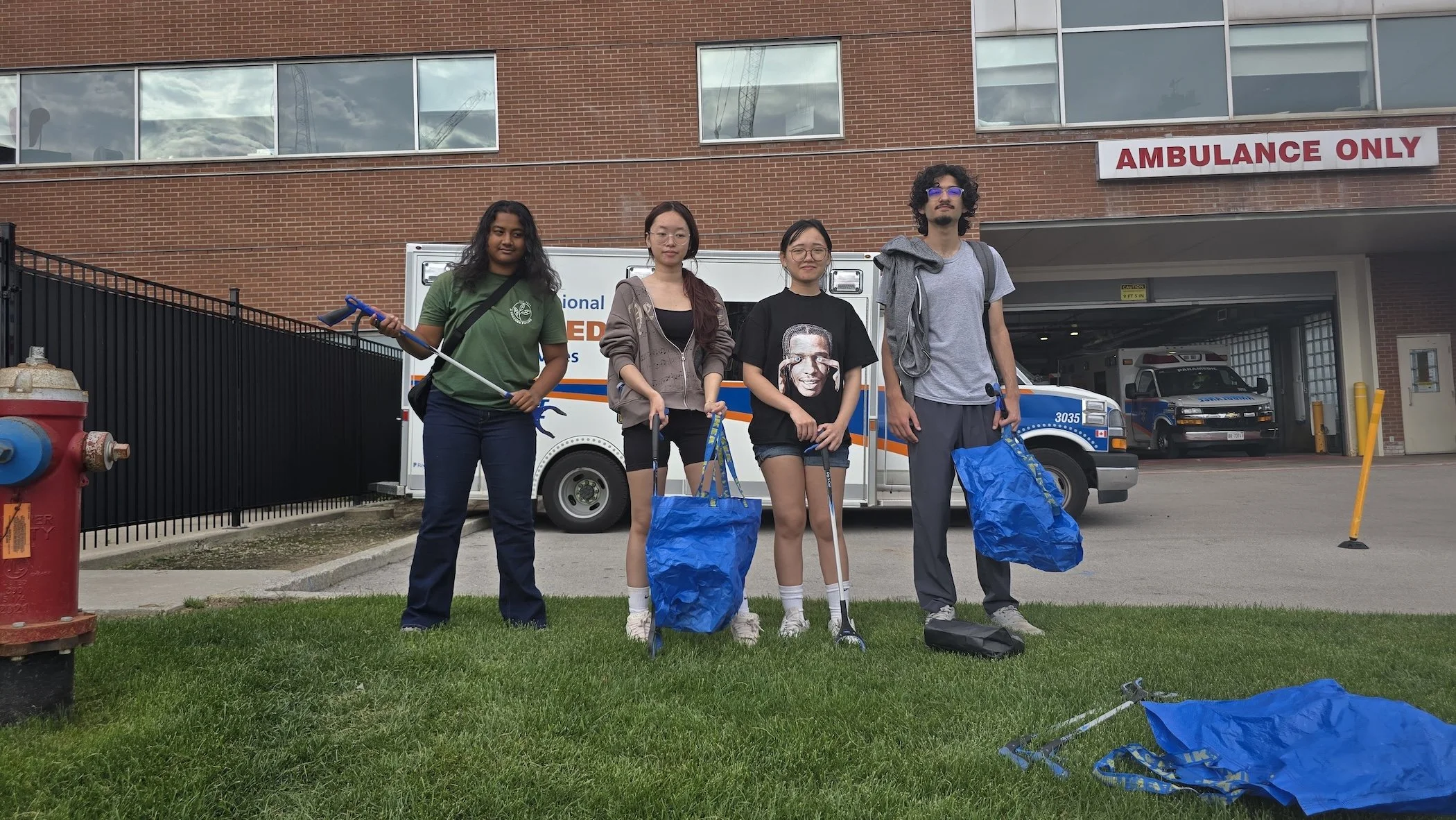
Mississauga
Hospital: Mississauga Hospital
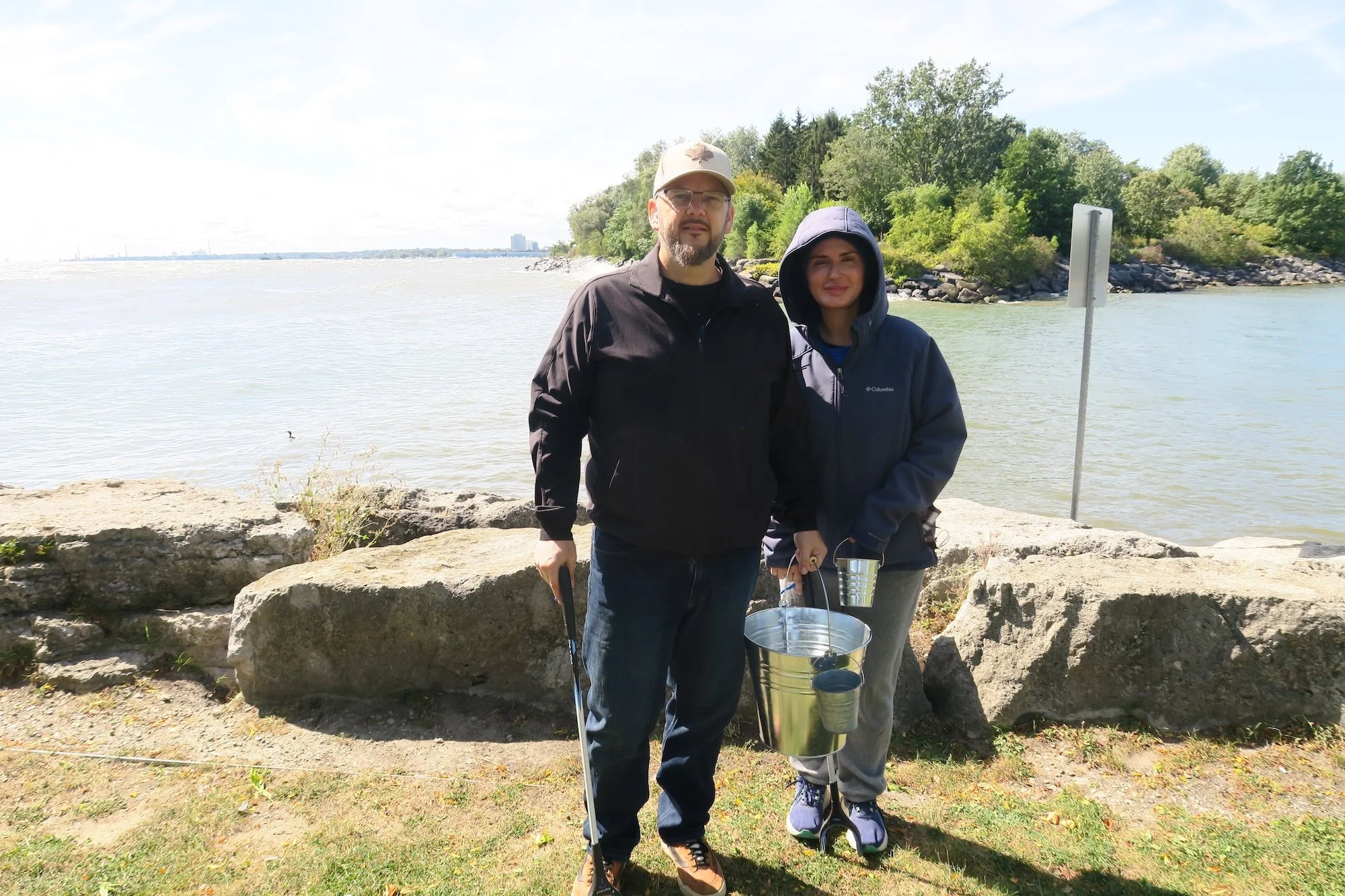
Waterfront: Lakefront Promenade Park
How the research works
Collect and record. Staff and volunteers collect cigarette litter at the study sites. We record the collection date and location so each event remains a separate observation.
Dry the material. Wet collections are dried in paper bags, cardboard boxes or spread out in the sun before sorting.
Sort out cigarette filters. We inspect the filters for a Canadian health warning and separate cigarette filters from cigar tips, cannabis filters and other trash items.
Count by hand. We count every item in each category and tally the results in the project data sheet, then transfer the data to a spreadsheet.
Summarize and review. We calculate the composition of each category.
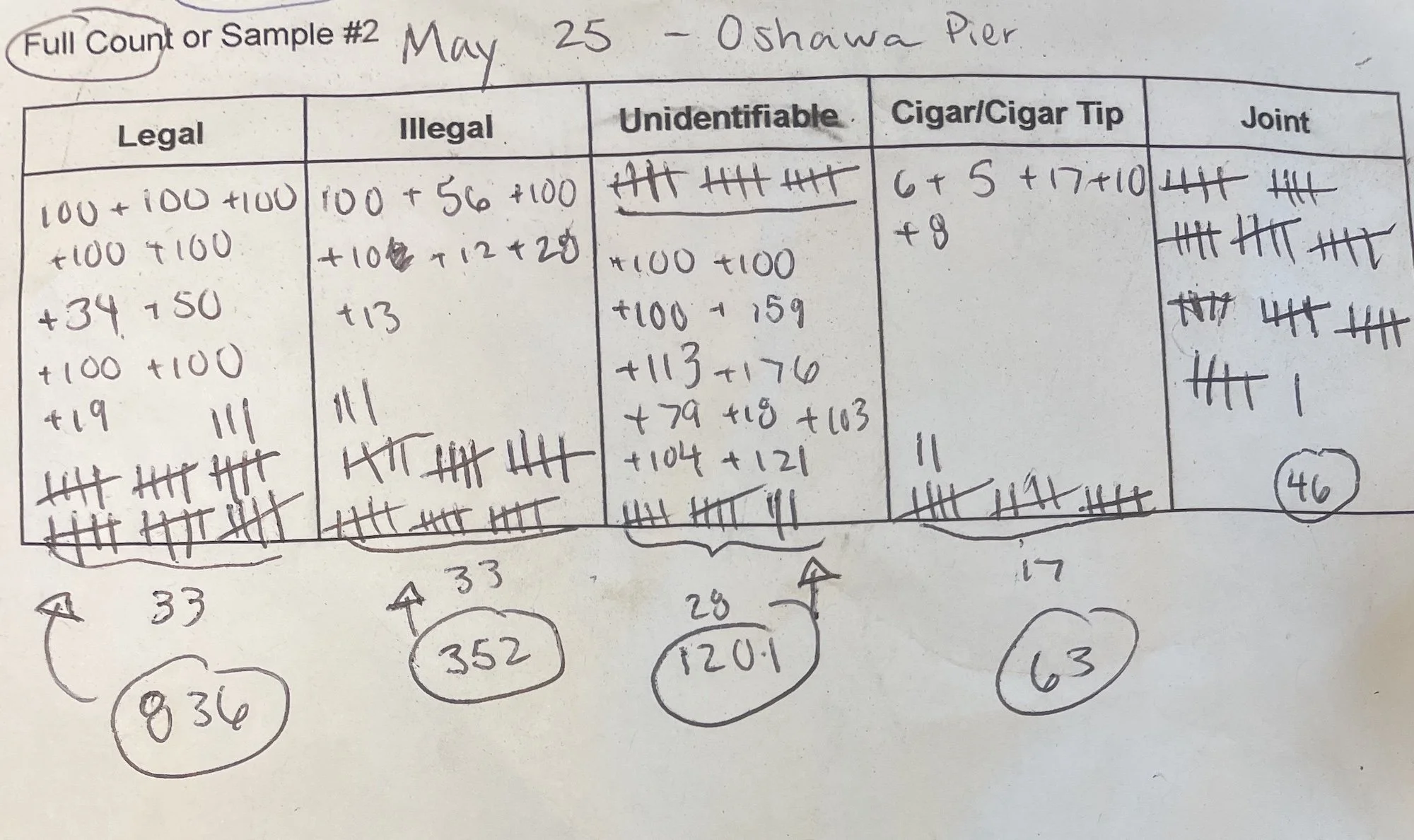
What each category means
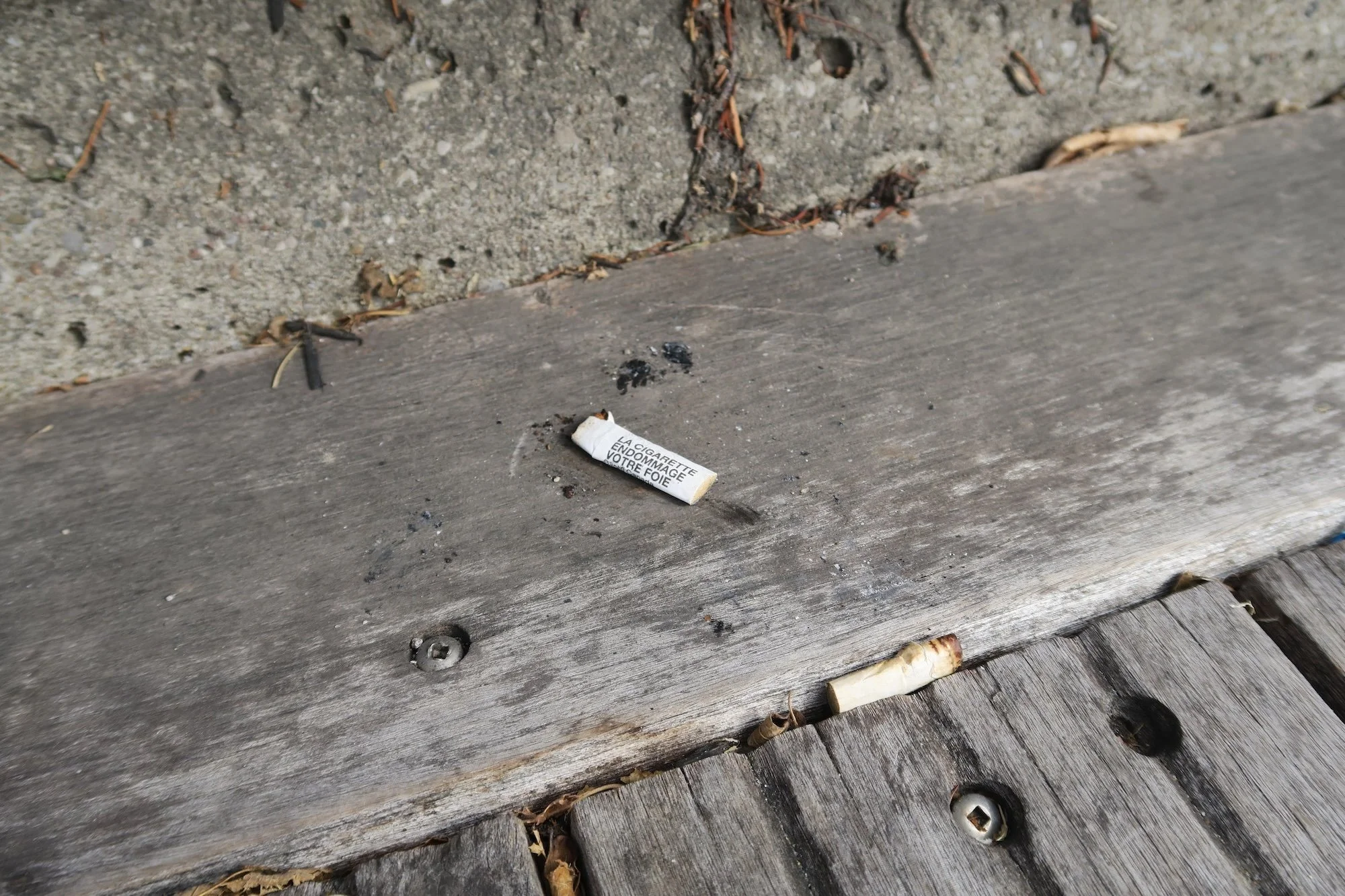
Warning visible (“compliant”): A cigarette filter displaying a readable Canadian government health warning.
Warning absent (“non-compliant”): An intact, assessable filter without that warning. It may be plain or carry other writing or markings.
Unidentified: A filter we cannot confidently classify: missing paper, exposed filter material, damage, or unreadable markings.
Cigar tips/cigars: Other cigar-related material, including hard plastic cigar tips, counted separately.
Joints: Collected joints, counted separately from cigarette filters.
Study classifications. “Compliant” and “non-compliant” only describe whether the discarded filters included one of Health Canada’s Health Information Warnings. A discarded filter alone does not establish whether the original product met every legal requirement, whether taxes were paid, or where it was made or purchased.
Rain can soften filter paper and damage it during pickup; sand can abrade markings, especially when wet. When we cannot reliably distinguish a missing warning from damage, the filter was sorted into the unidentified category.
From cleanup to classification
The collection setting
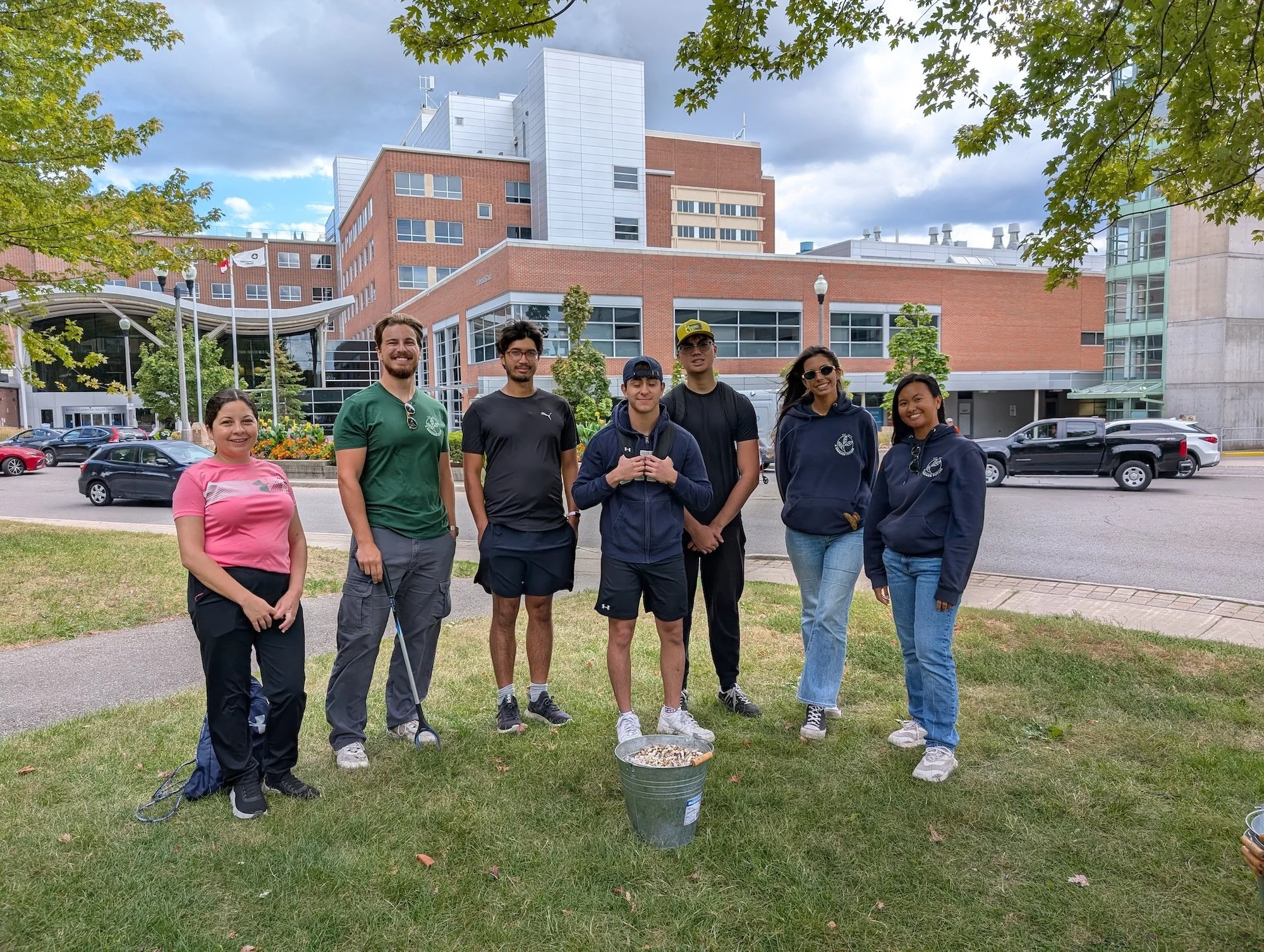
A hospital setting. Lakeridge Health in Oshawa. August 26, 2025.
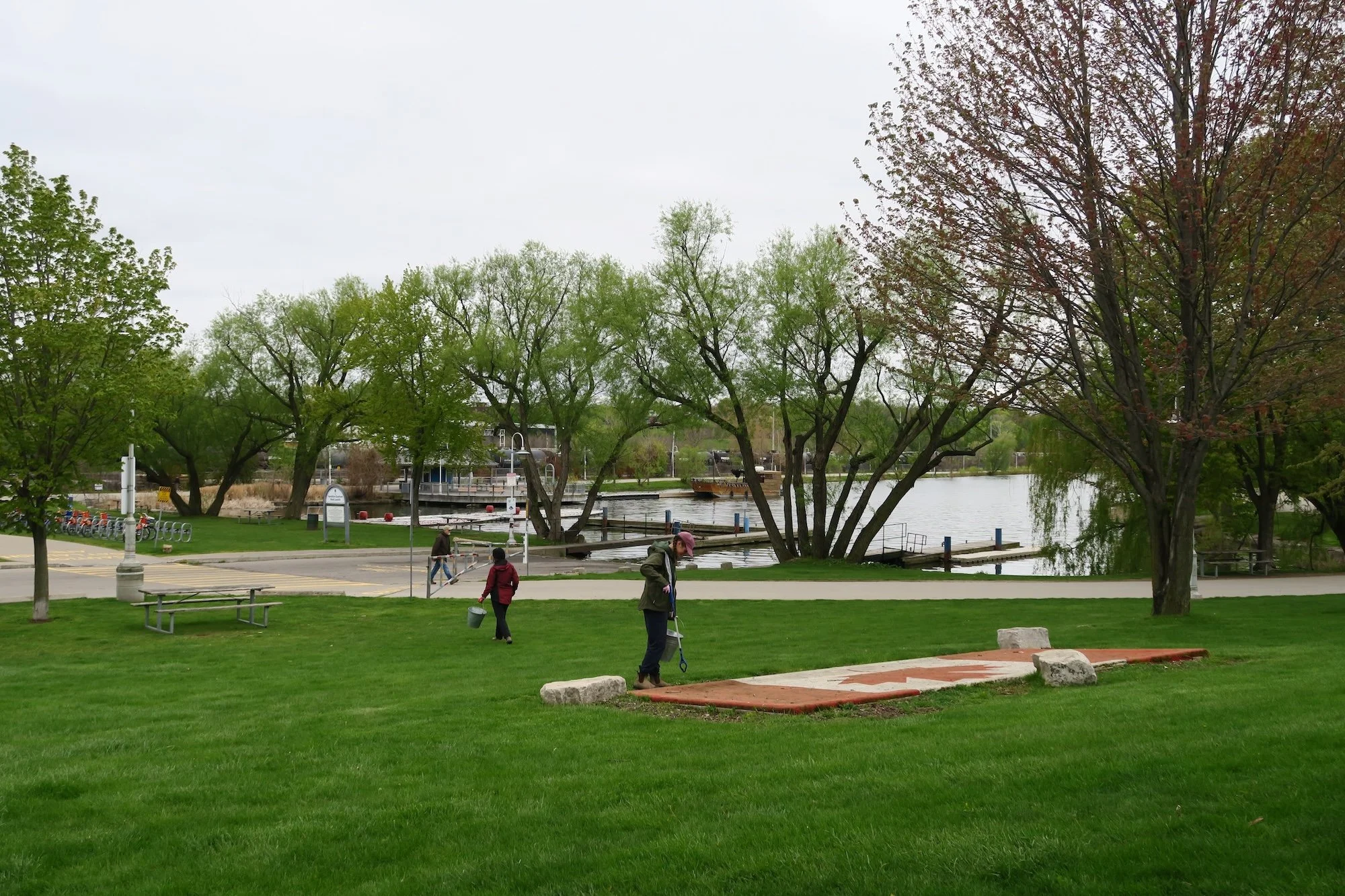
A waterfront setting. Bayfront Park in Hamilton. May 15, 2026.
A closer look at filters
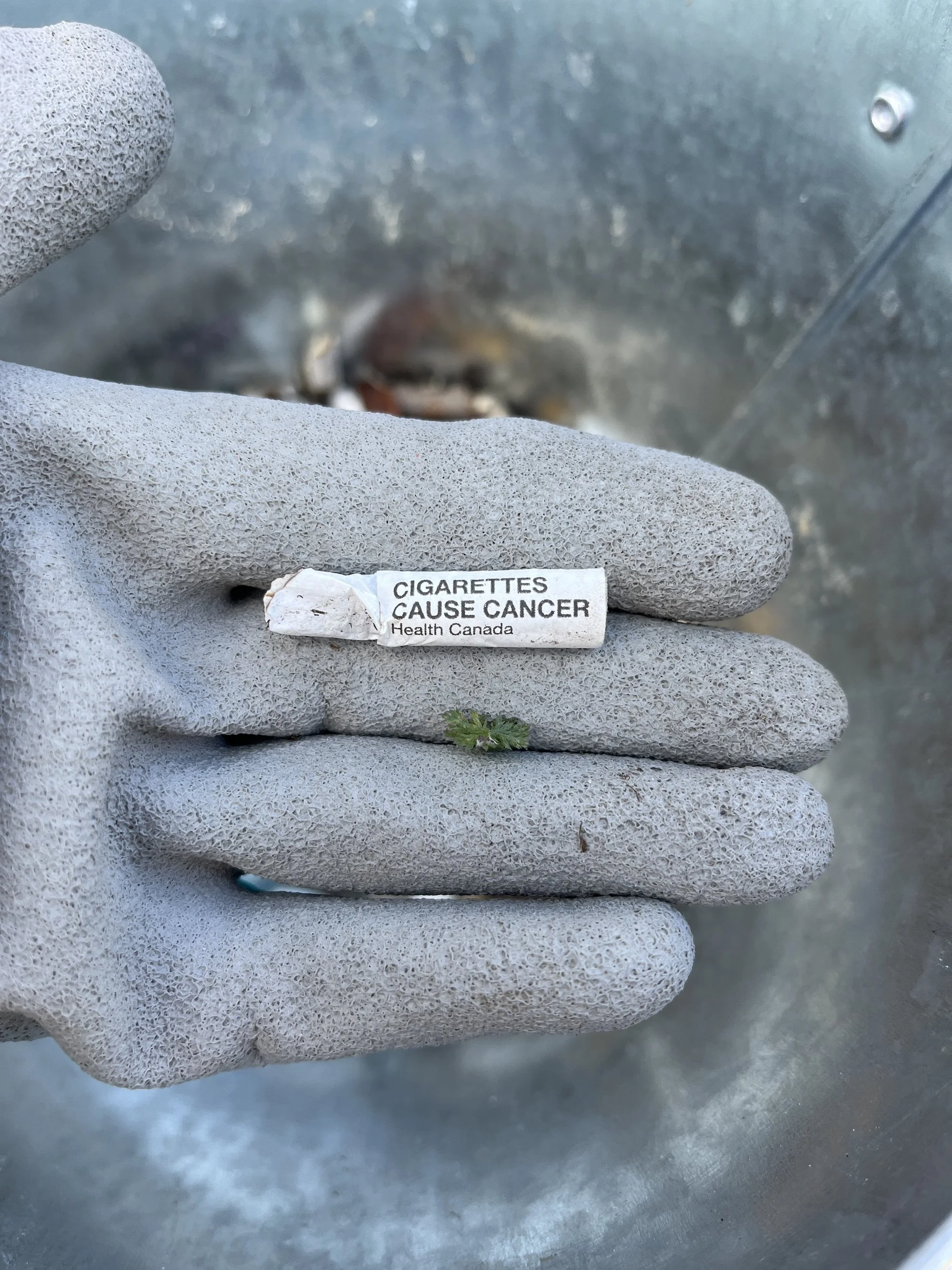
Compliant filter with visible warning
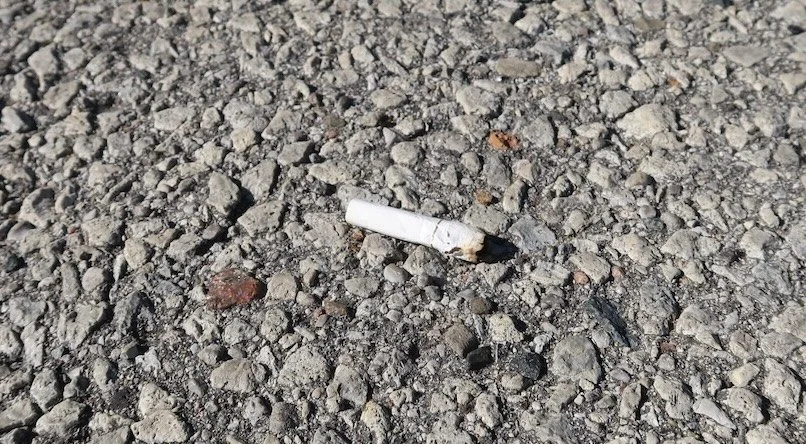
Non-compliant filter, no writing on it
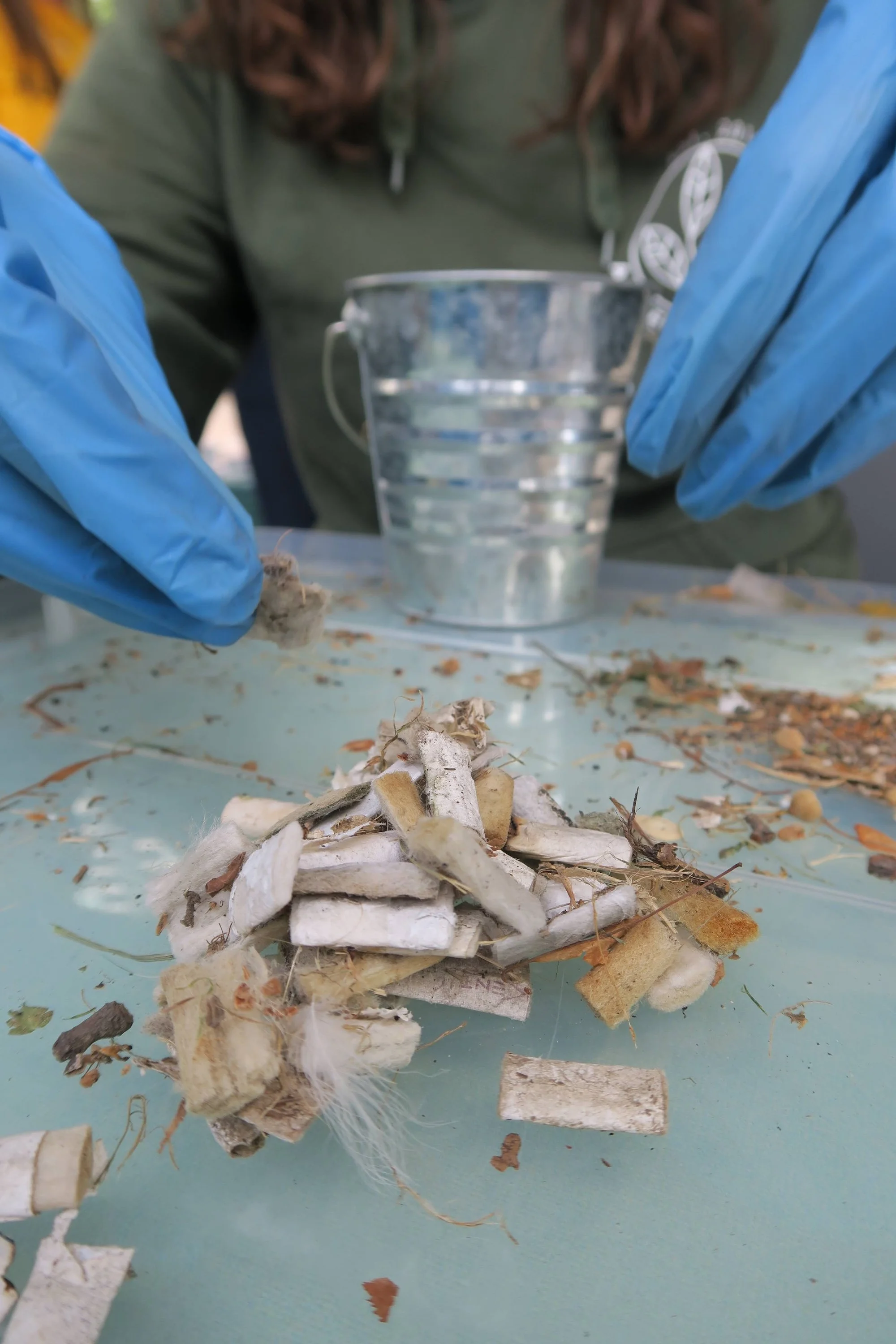
Unidentifiable filters that are missing the paper/text
What a collection looks like
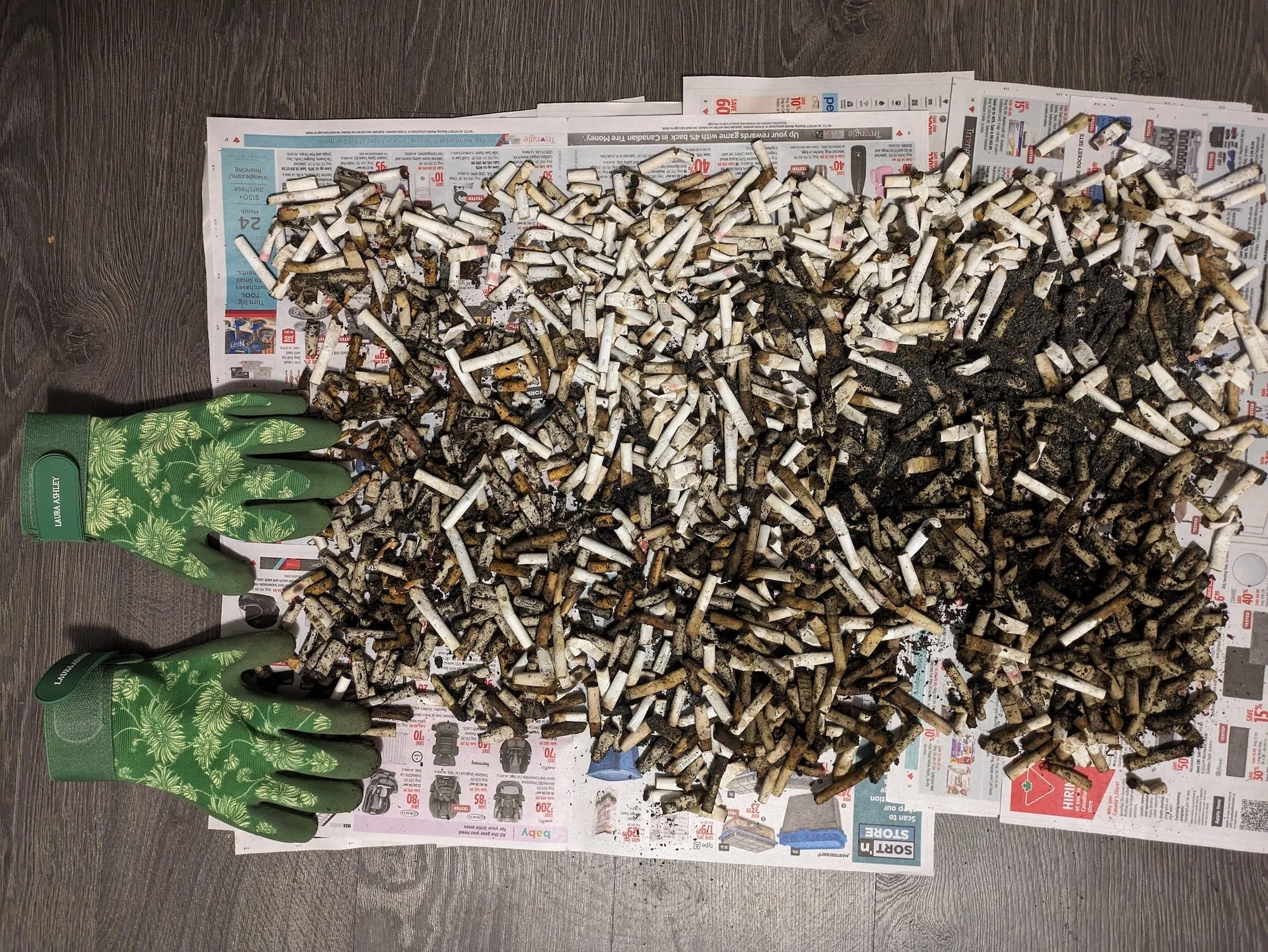
Drying the butts on newspaper.
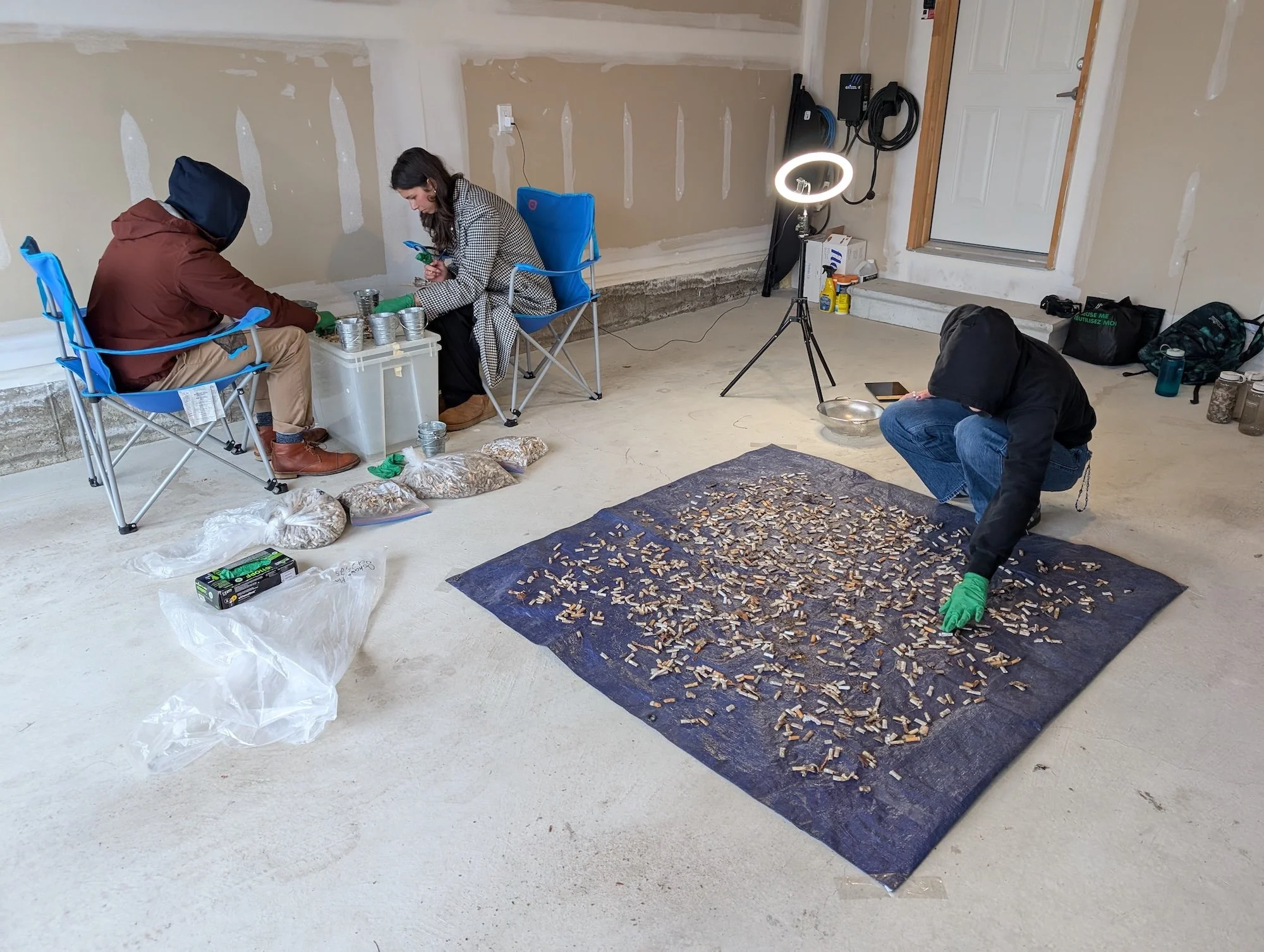
The team completing counts.
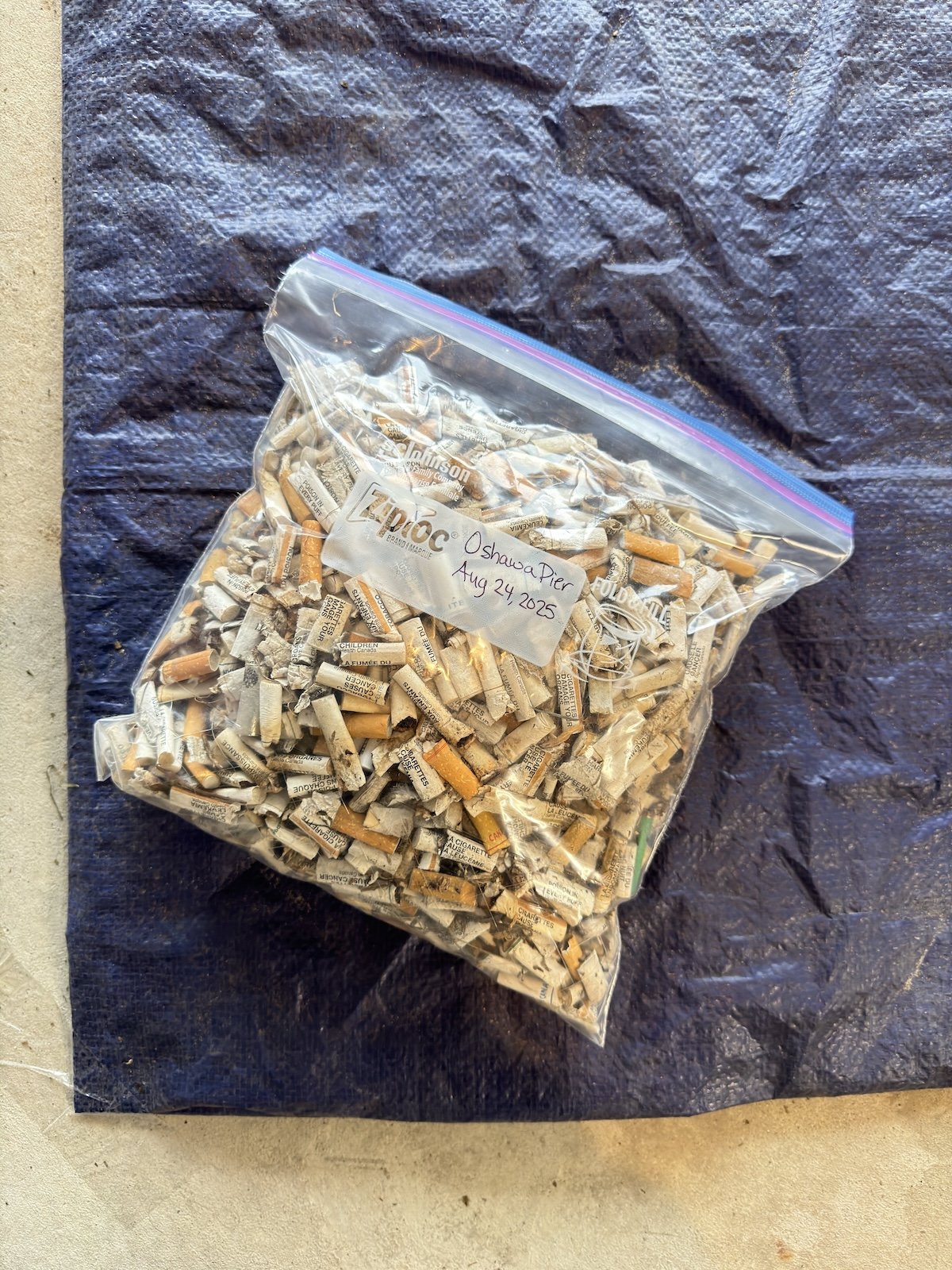
Collection from Oshawa Pier, August 24, 2025. Dried, counted and labelled.
What we’re finding so far
For this chart, we summarized 34 collection events with completed category counts, from May 25, 2025, to August 27, 2026. Those records contain 50,886 cigarette filters. Cigar material and joints are excluded from cigarette-filter percentages.
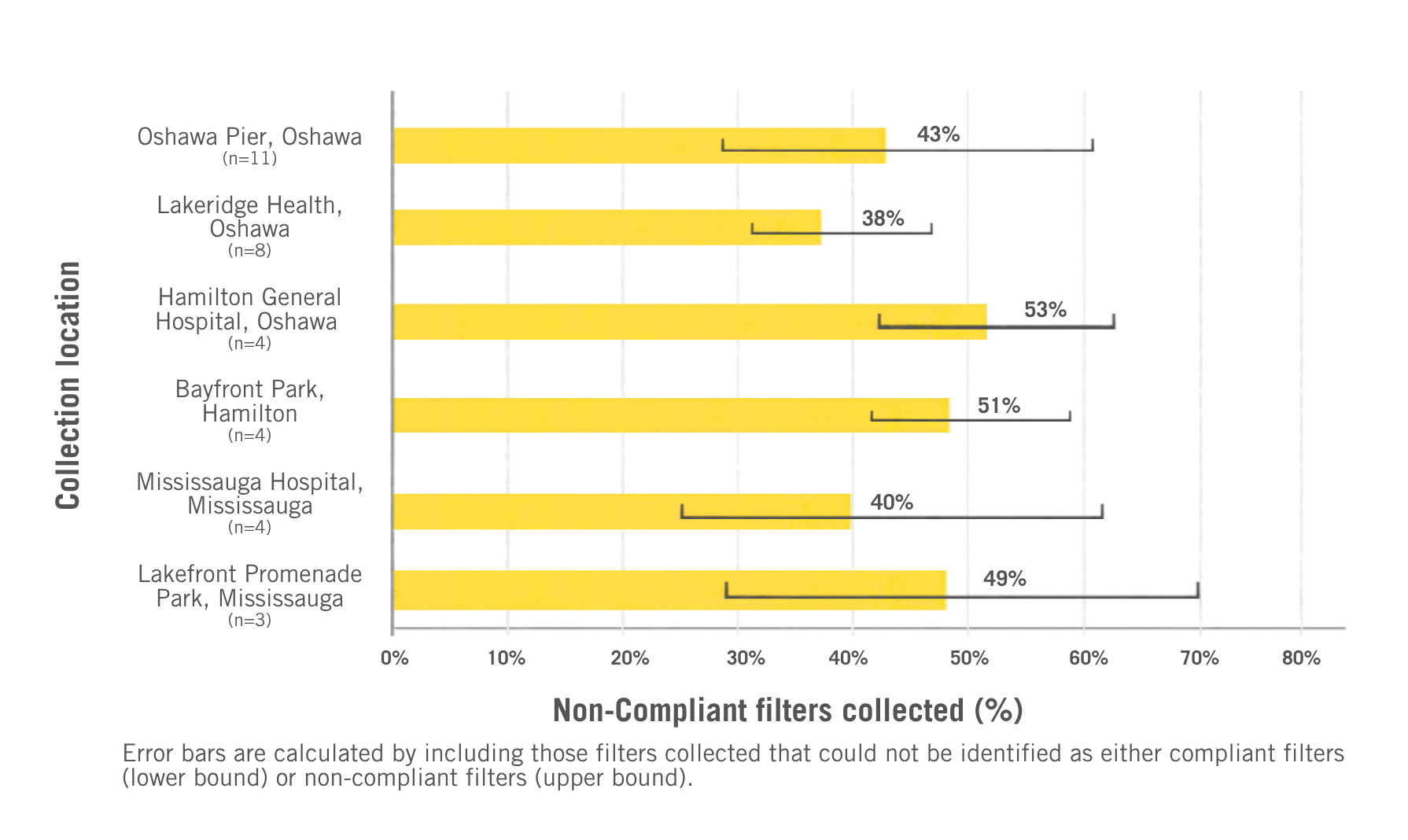
22,258 filters with a visible warning
44% of all counted cigarette filters.
16,218 filters without a visible warning
32% of all counted cigarette filters.
12,410 unidentified filters
24% of all counted cigarette filters.
Among identifiable filters only, 42% lacked a visible warning. Here, “identifiable” means the 38,476 filters assigned to either the compliant or non-compliant category. This percentage excludes unidentified filters from its denominator, the total used to calculate a percentage.
The same records also contain 563 cigar tips/cigars and 640 joints, recorded separately.
Counts by collection site
Totals combine completed category counts at each site. Sites have different numbers of visits and collection histories. These descriptive counts are not a ranking of communities.
Lakeridge Health: 8 events; 11,280 warning visible; 6,898 warning absent; 3,118 unidentified.
Oshawa Pier: 11 events; 5,236 warning visible; 3,938 warning absent; 4,479 unidentified.
Hamilton General Hospital: 4 events; 2,209 warning visible; 2,495 warning absent; 1,176 unidentified.
Bayfront Park: 4 events; 547 warning visible; 563 warning absent; 229 unidentified.
Mississauga Hospital: 4 events; 1,808 warning visible; 1,200 warning absent; 1,878 unidentified.
Lakefront Promenade Park: 3 events; 1,178 warning visible; 1,124 warning absent; 1,530 unidentified.
What the findings can tell us and their limitations
The counts describe the cigarette filters recovered at these locations on these collection dates. They show how much material can be classified and where identification remains difficult.
Collected litter is not a survey of everyone who smokes. Disposal behaviour, cleanup coverage, previous litter removal, and the time litter has accumulated can affect what we find.
Collection date is not the date a cigarette was smoked. Older litter can remain in the environment. The age of an individual filter is generally unknown.
Unidentified filters matter. Nearly a quarter of this dataset could not be classified. The longer a filter stays in the environment, the more likely it is to become unidentifiable. The unidentified filters may help us identify older filters and the amount of waste being left in the environment.
Site comparisons need context. The hospital and waterfront pairs are useful research settings, but unequal visit coverage and collection conditions prevent simple claims that one setting or community has more illicit tobacco.
Origins and motives need different evidence. These counts cannot identify manufacturers, supply routes, tax status or why someone chose a product.
Health Canada’s retail deadlines for warnings on individual cigarettes were July 31, 2024, for king-size cigarettes and April 30, 2025, for regular-size cigarettes. That regulatory context helps explain the feature we inspect, but it does not resolve the age or history of litter. Read Health Canada’s implementation timeline.
How the project is developing
This is a pilot study: an early study used to refine practical methods and identify questions for a larger project. We are continuing collections and manual counts while improving how procedures, images and data are documented.
Exploring AI-assisted identification
Our original idea was to photograph laid-out collections and train artificial intelligence (AI) to count and distinguish filter categories, cigar tips and joints. Early photographs did not consistently provide the resolution and setup needed for reliable identification. We have been exploring possible support from a university for this stage; automated classification is not currently producing the results shown here. Before such a system could replace manual work, its counts and classifications would need to be tested against carefully checked human counts, including damaged and unidentified material.
Building toward a research publication
Our aim is to develop the work into a peer-reviewed article, where other researchers assess the methods and conclusions before publication. Priorities include resolving data discrepancies, documenting collection and classification procedures, assessing consistency between counters, and exploring expansion to additional communities.
Join a research cleanup
Help collect the material that makes this research possible. You do not need a science background: volunteers help with the cleanup, and our team processes and counts the collected material afterward. Check each event listing for its meeting point, time, and registration details.

Share what you’ve learned
Know someone interested in environmental monitoring, community science or cigarette litter? Share this page with them.
In the News
Recent reporting offers context for wider questions about illicit tobacco and nicotine products in Canada. These are separate enforcement reports, not evidence about the origins of our collected filters or estimates of market share. “Unmarked” and “unstamped” in these reports concern tax-marking rules; those terms are not interchangeable with our filter-warning categories.
Article summaries reflect reporting at the linked publication dates. Charges and allegations should not be read as findings of guilt. The reports are not added together as a national seizure total.
Ontario reports approximately 7.9 million unmarked cigarettes seized
Ontario Ministry of Finance · July 13, 2026
A provincial bulletin describes seizures of cigarettes and other untaxed tobacco products during operations in several Ontario communities between March and June 2026.
More than 40,000 kg of tobacco seized in manufacturing investigation
Kawartha 411 · June 17, 2026
The report describes police seizures of fine-cut tobacco and cigarettes following searches in Hamilton and Six Nations of the Grand River Territory. Police attributed the facility to a non-Indigenous criminal network.
Tobacco and nicotine vapes intercepted at Point Edward
CP24 · March 25, 2026
CP24 reports that CBSA officers intercepted more than $4.5 million in illegal tobacco and nicotine vapes over seven days at the Blue Water Bridge. The stated value covers mixed products, not cigarettes alone.
Approximately 1.63 million unstamped cigarettes seized near Amherst
CityNews Halifax · March 19, 2026
CityNews reports an RCMP seizure of 163 cases of tobacco following a traffic stop near Amherst, Nova Scotia.
Cigarette seizure near Membertou, Cape Breton
CityNews Halifax · March 11, 2026
CityNews reports that a vehicle search uncovered 160 cases of tobacco, estimated at approximately 1.6 million cigarettes.
Related reading supplied for this page: CBC coverage of a Cape Breton cigarette seizure.
More than 2,800 cigarettes seized in Saint-André-d’Argenteuil
The Review · March 11, 2026
A published police release describes a March 8 traffic stop in Quebec and the seizure of more than 2,800 contraband cigarettes.
Cornwall seizure involved cigars and nicotine pouches
Cornwall Seaway News · March 10, 2026 · Additional coverage by Eawaz, March 11
These two articles cover the same February 12 seizure, reported at approximately $330,000. The products included 7,160 tins of nicotine pouches and 945 boxes of cigars. This is broader tobacco and nicotine context, not a cigarette-filter seizure.
Read Cornwall Seaway News · Read Eawaz coverage
Article summaries reflect reporting at the linked publication dates. Charges and allegations should not be read as findings of guilt. The reports are not added together as a national seizure total.
Sources and project support
A Greener Future leads the cleanup and collection work and owns this webpage. The project is funded by Rothmans, Benson & Hedges Inc. (RBH), a tobacco company, and is developed with research support from Chris Harris at RBH.
The methods described here reflect AGF’s collection and counting experience. Results are drawn from the project’s working data sheet. They are preliminary and subject to data review. The working sheet and earlier abstract are not peer-reviewed publications.