
AGF Blog
Information and resources to help you live a more sustainable life
Explore. Learn. Take action.
Whether you want to reduce waste at home, understand the issues affecting our waterways, or see how communities are creating change, you’ll find practical guidance and trustworthy information here.
Choose a topic, explore what’s new, or start with one of our practical guides for everyday action.
Fresh ideas, research and stories from A Greener Future. Explore our latest articles about waste, pollution, ecosystems, community action and emerging environmental solutions.
New & Noteworthy
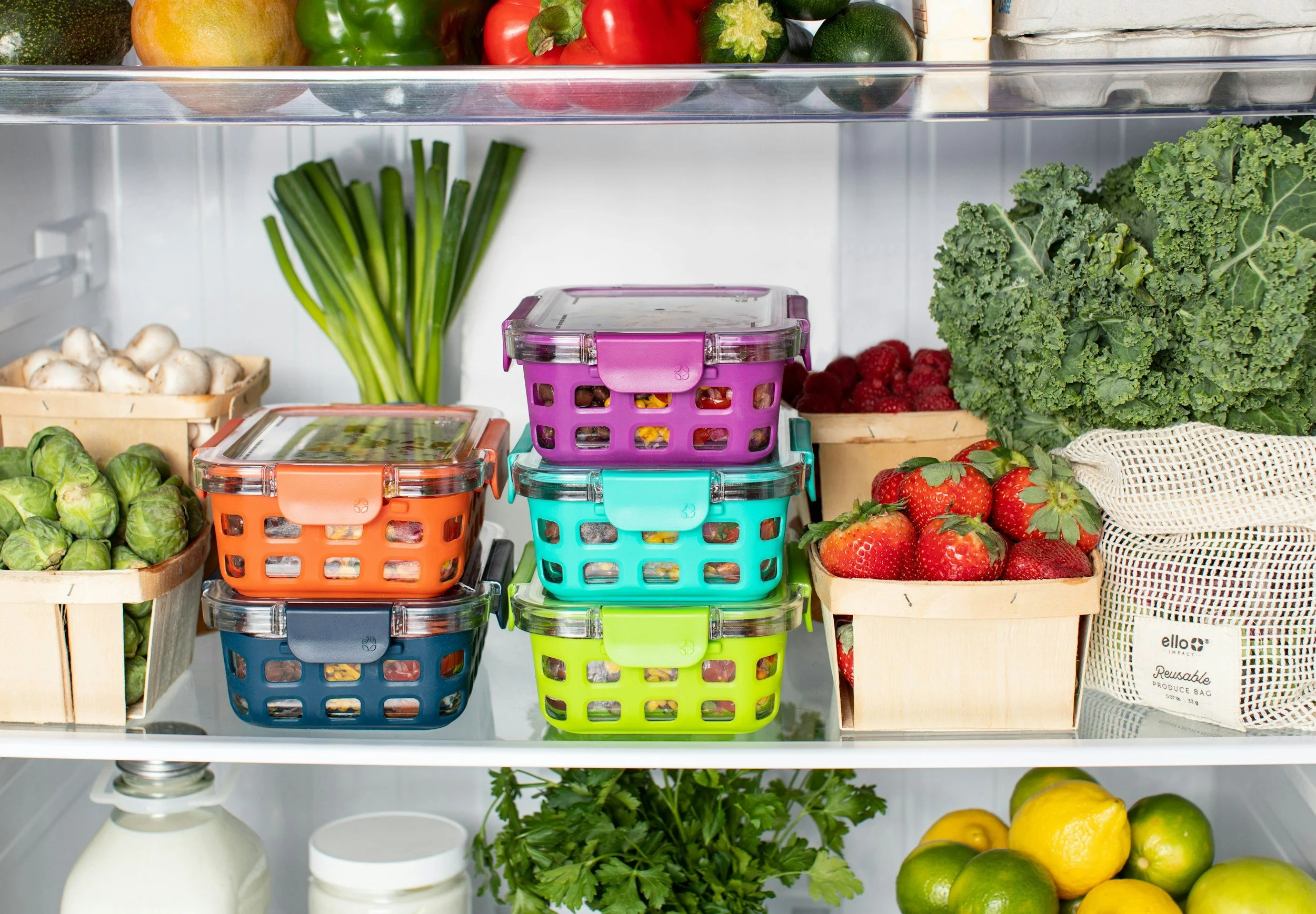
Food waste costs more than money. Learn simple ways to plan meals, store food properly, use what you have, save money and keep food out of the landfill.
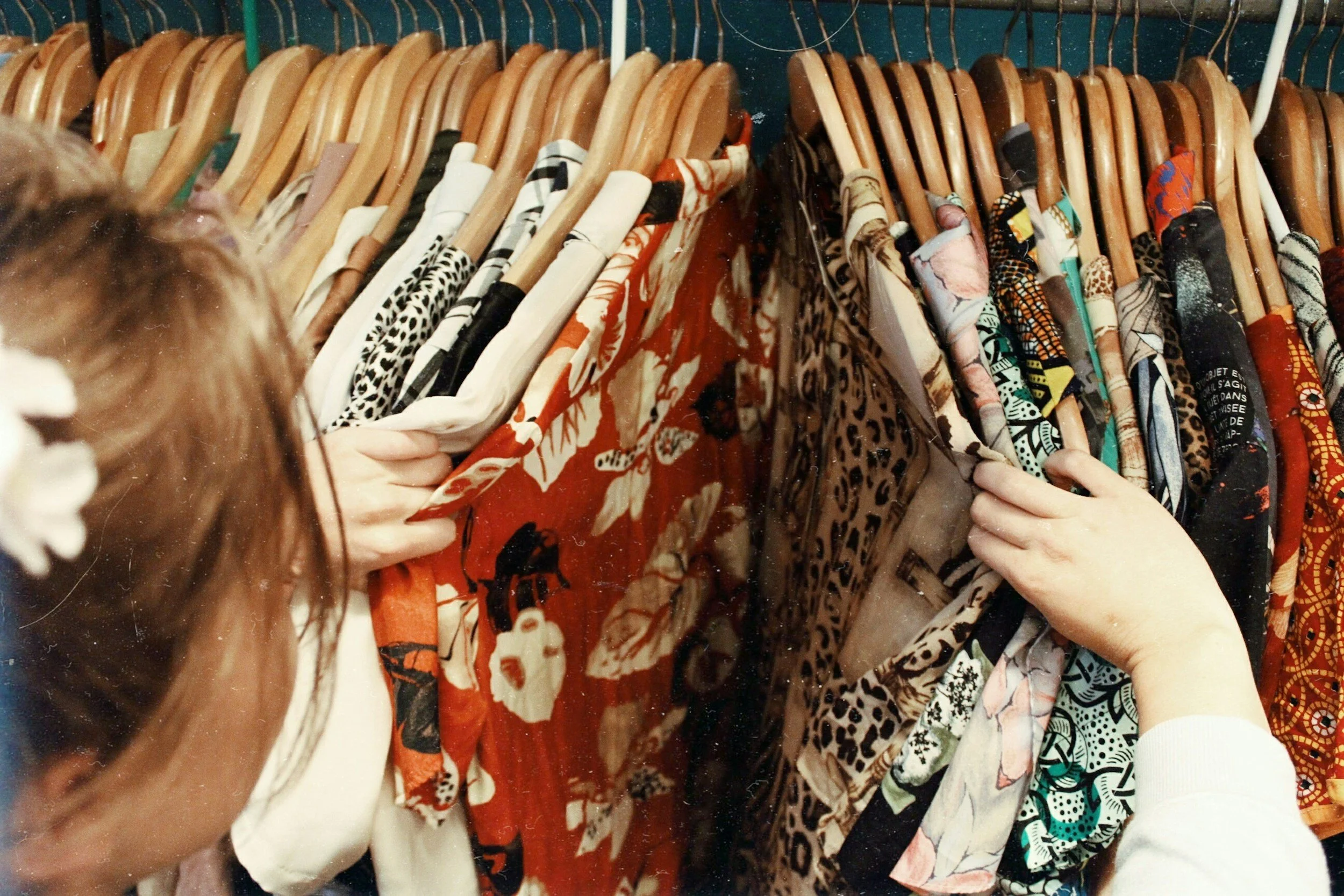
The most sustainable wardrobe may already be in your closet. Learn how to buy less, wear longer, repair, swap and pass clothing on responsibly.
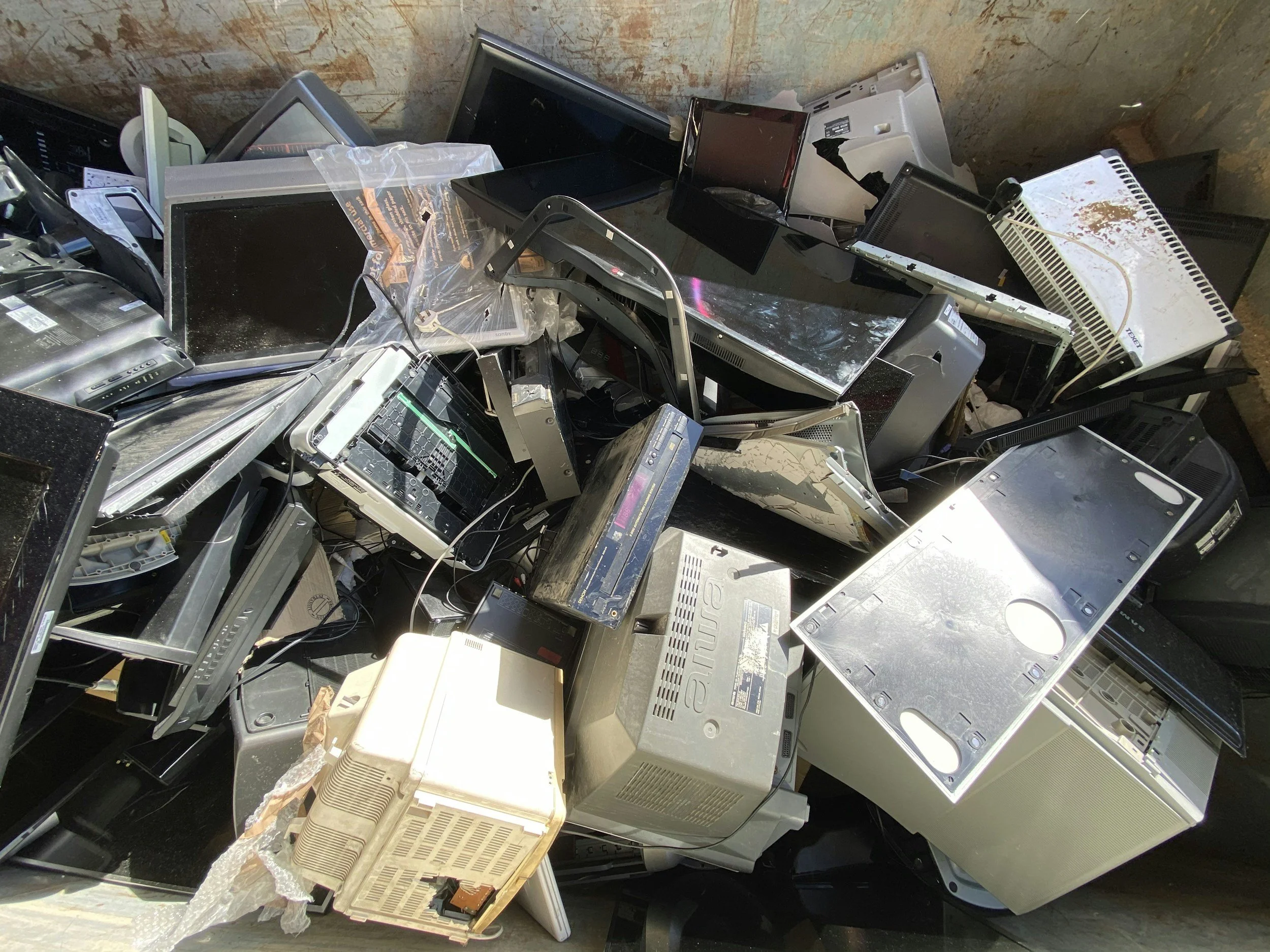
Not sure what to do with old phones, chargers or other electronics? Learn when to repair, sell, donate or recycle them, plus how to handle lithium-ion batteries safely.
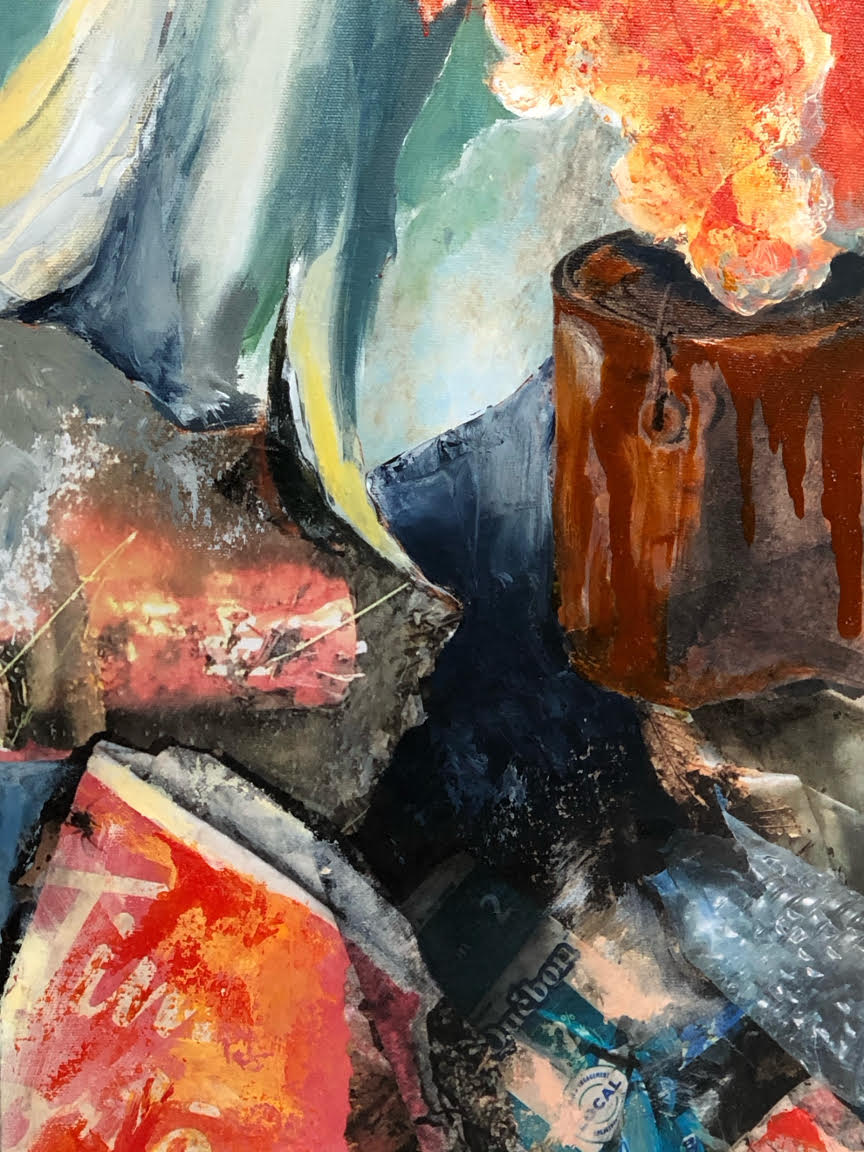


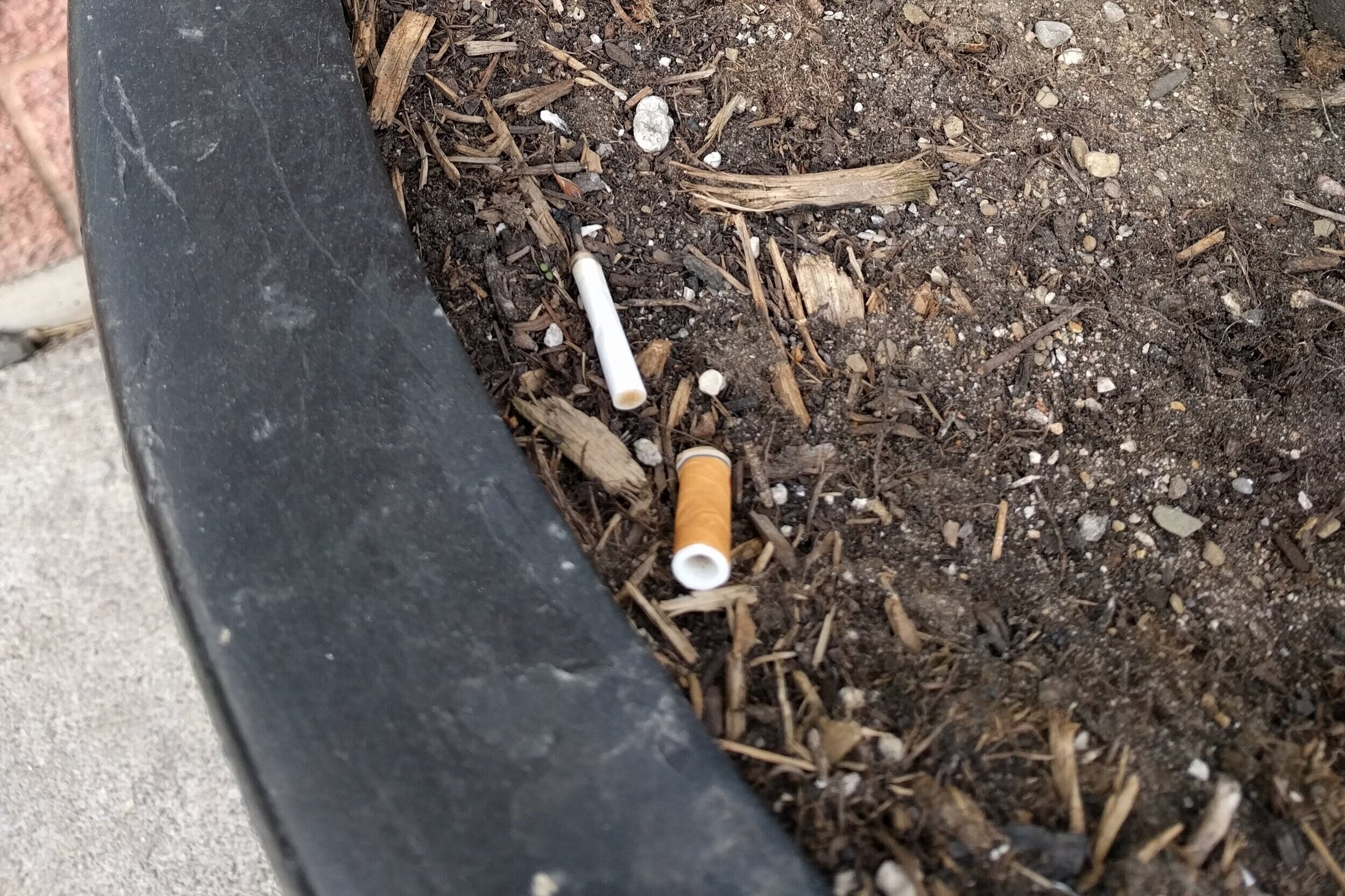
When we think about the dangers of cigarette butts, we often focus on pollution, not fire. But in 2025, with climate change intensifying drought conditions across Canada, the risk of wildfires caused by improperly discarded cigarette butts is higher than ever. As wildfires become more frequent, fast-moving, and destructive, it's crucial to understand how something as small as a smouldering cigarette can spark disaster.

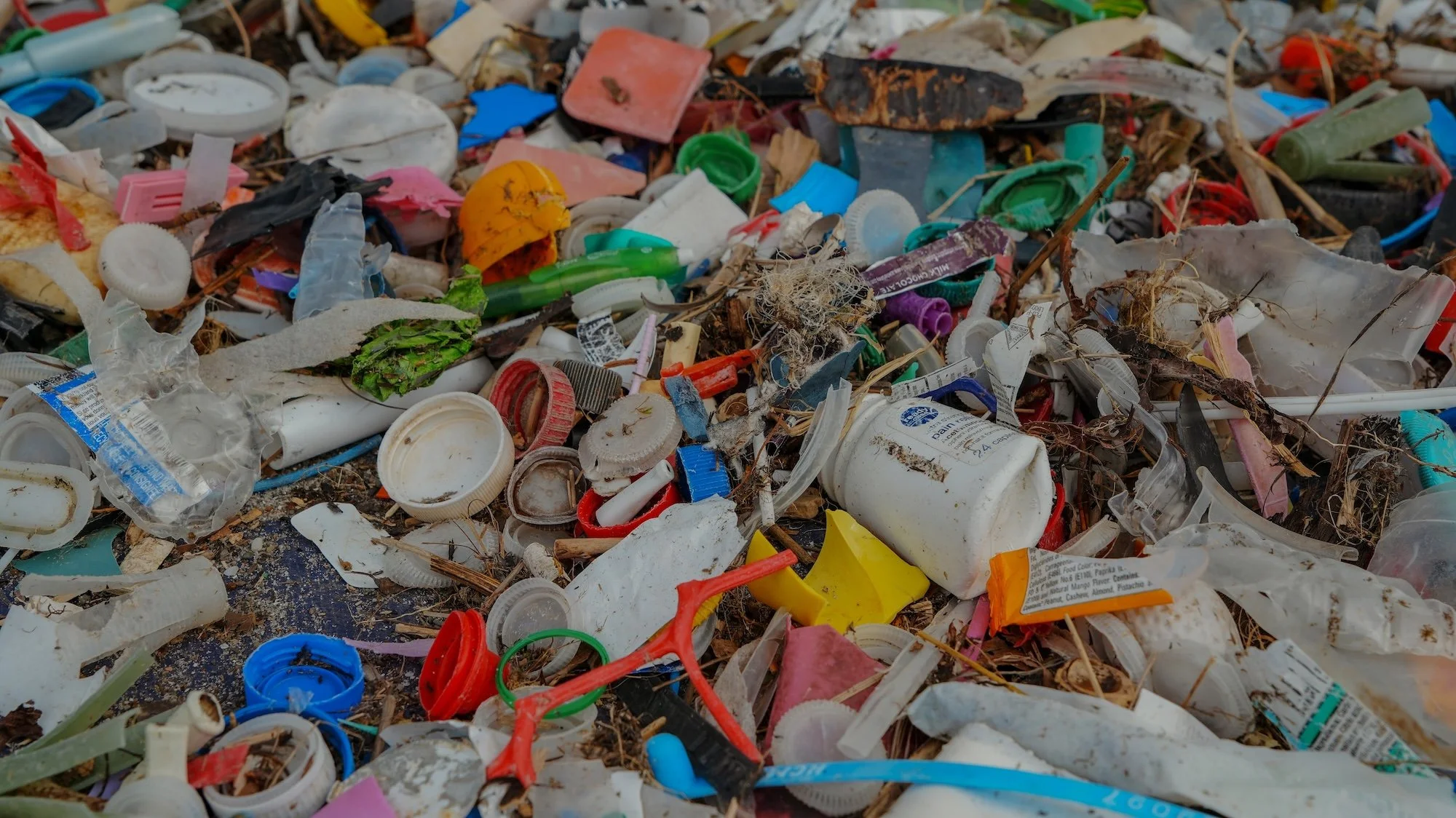
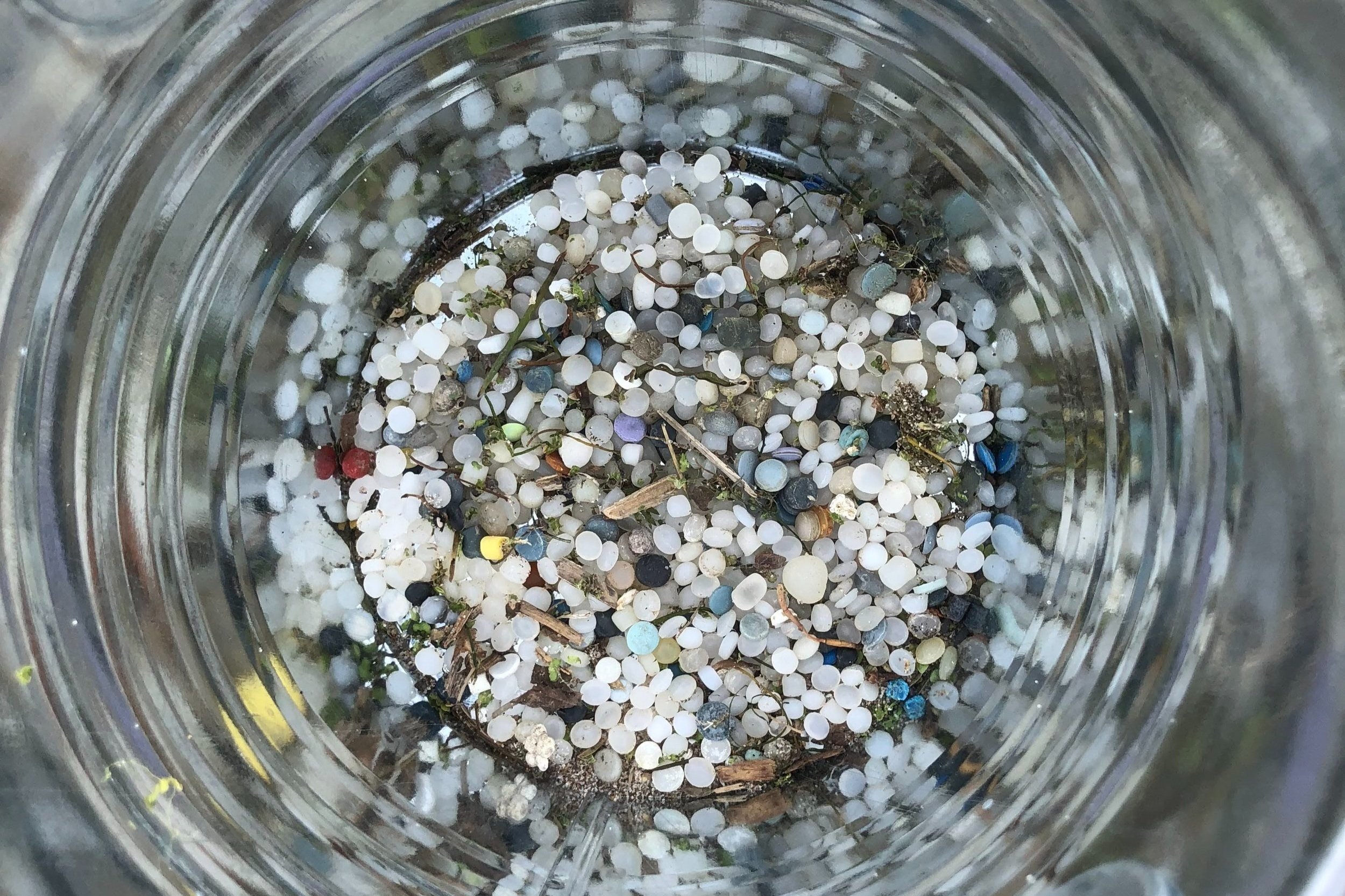
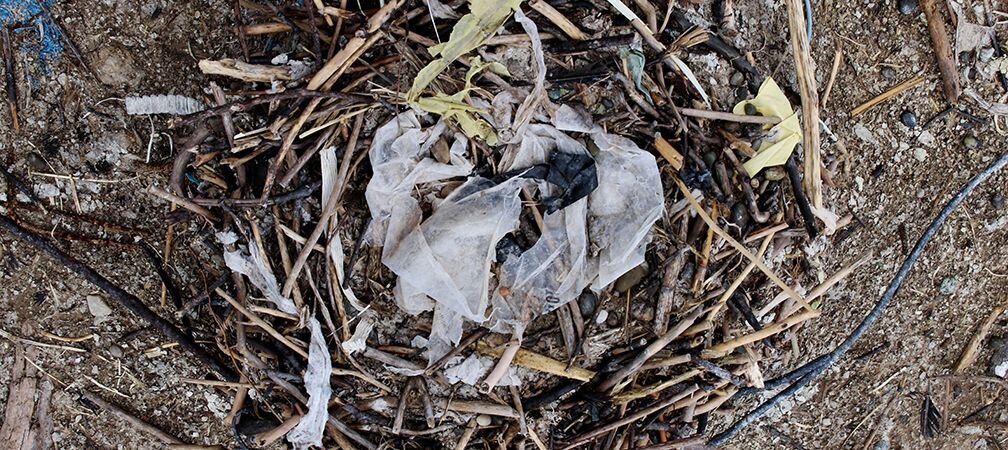
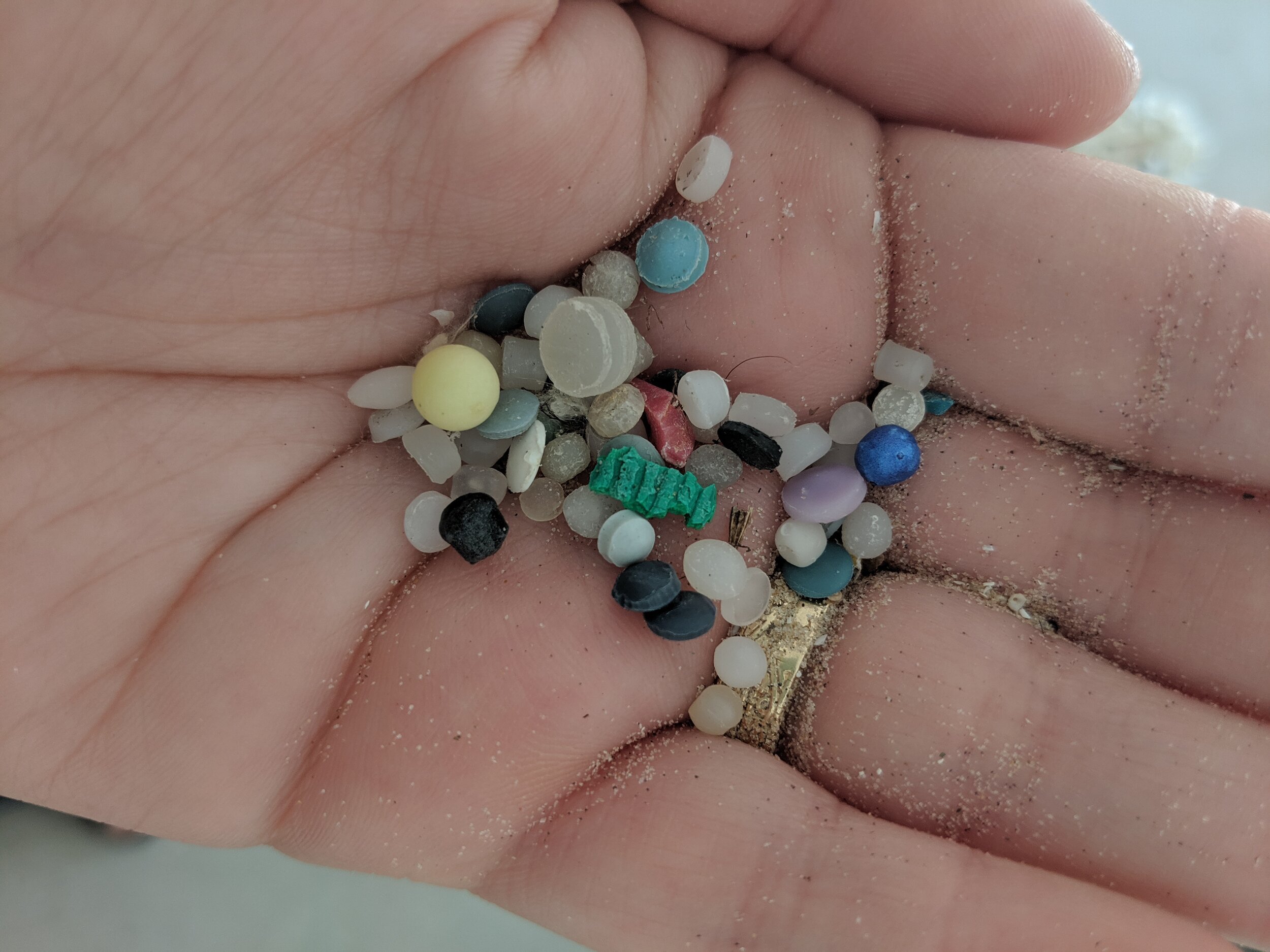
At A Greener Future, we spend our days walking the shorelines of Lake Ontario, picking up the pieces of a bigger problem: plastic pollution. From water bottles and cigarette butts to microplastics (nurdles), our mission is to remove as much of this waste as possible from our environment before it breaks down even further. But what happens when it already has? What happens when plastic becomes so small that it turns into something we can’t just pick up?


In our busy daily lives, the journey to and from work, school, or errands often feels like a necessary routine. But what if you could also reduce the impact that it has on the planet? These include smart route planning, carpooling, and regular vehicle maintenance, which contribute to better outcomes for our wallets, vehicles, and the planet.

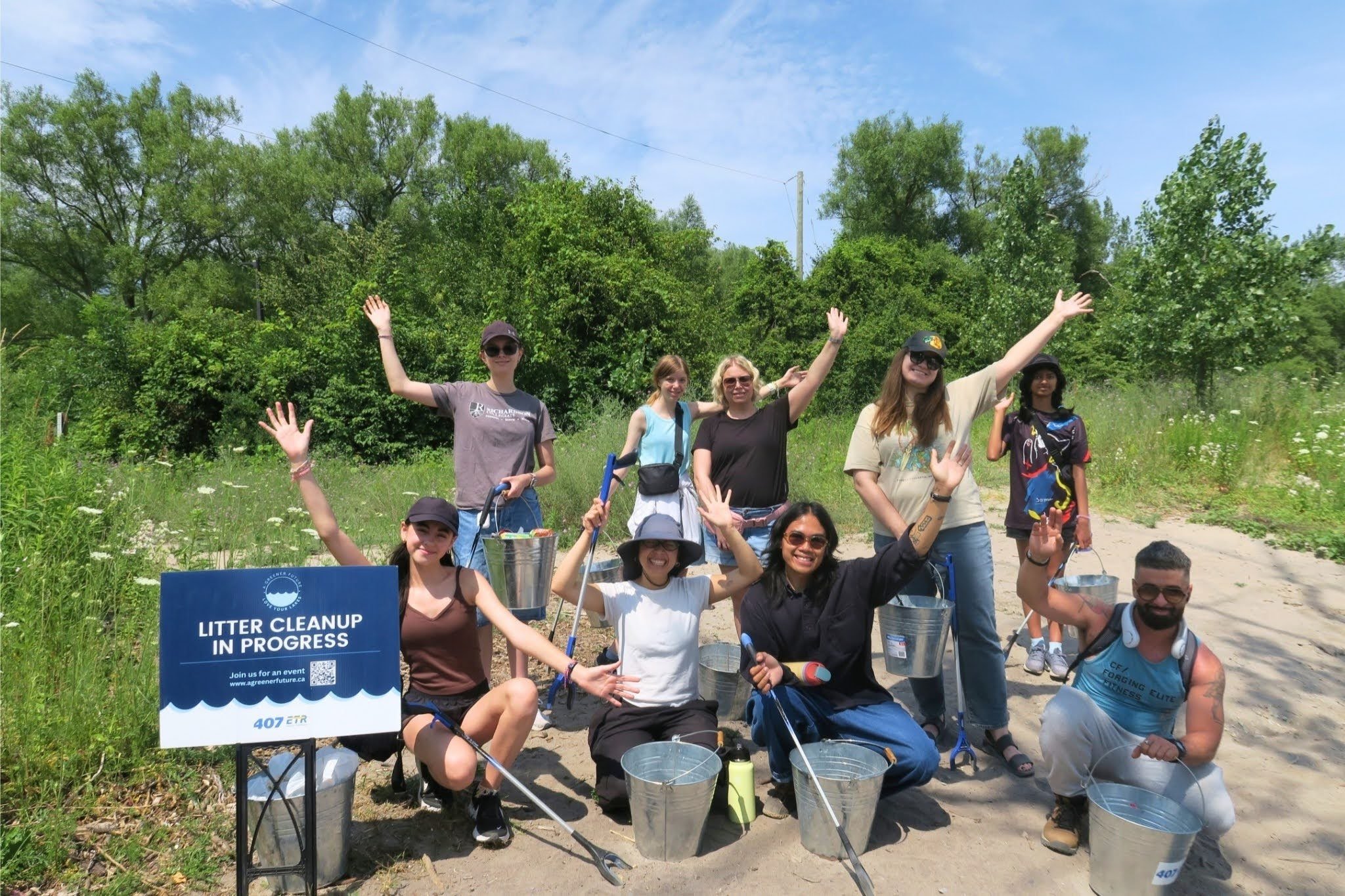
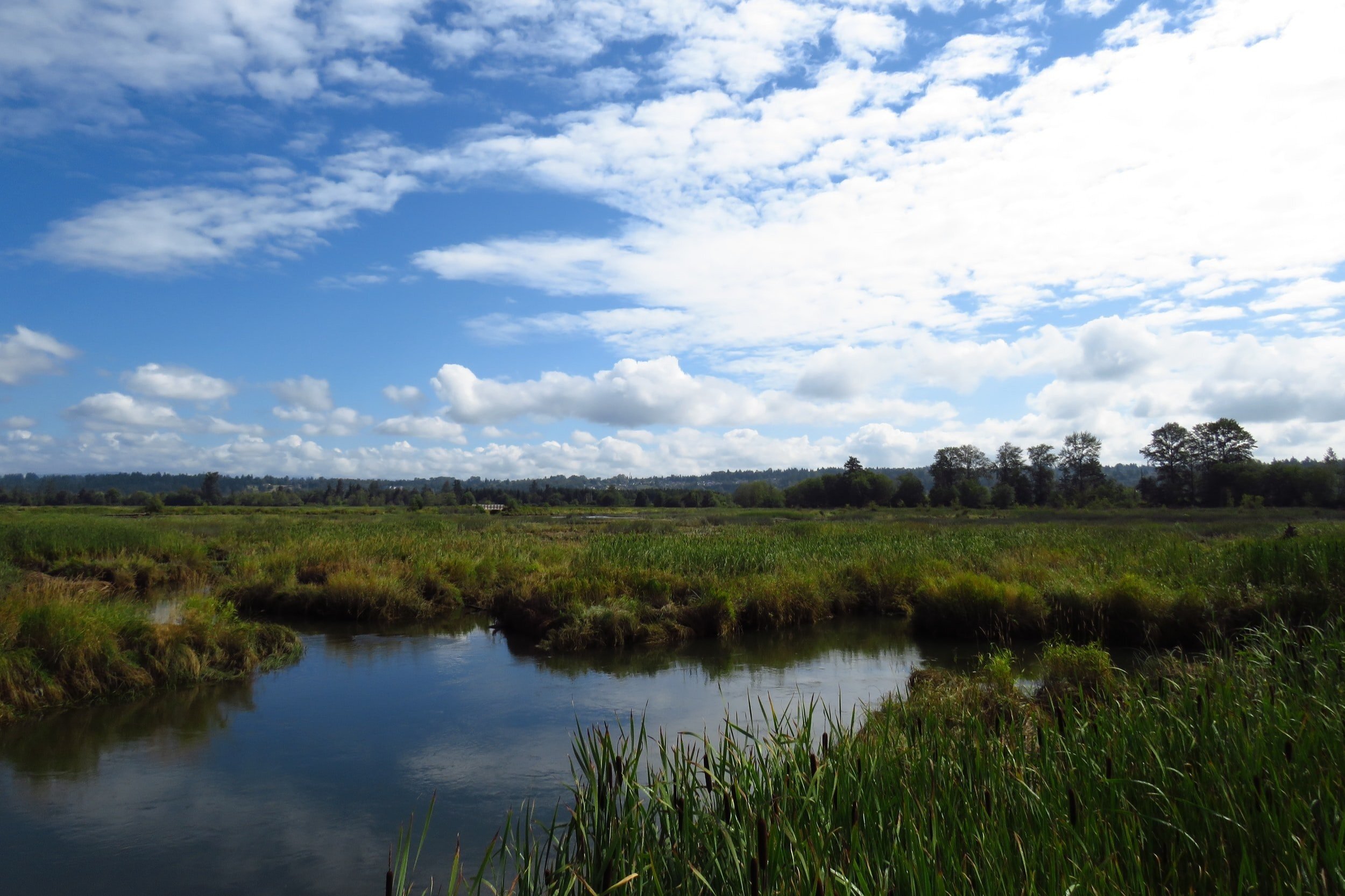
The Humber River Watershed is one of the largest and most ecologically significant areas in the Greater Toronto Area, supporting over 600 species and offering vital natural spaces. But increasing pollution, urban development, and climate change are threatening its health. This blog explores how organizations like A Greener Future are leading community cleanups in Toronto, contributing to initiatives like the Toronto Inner Harbour Floatables Strategy, and empowering residents to volunteer for environmental conservation. Discover how you can help protect local waterways, improve biodiversity, and support a cleaner, greener future.



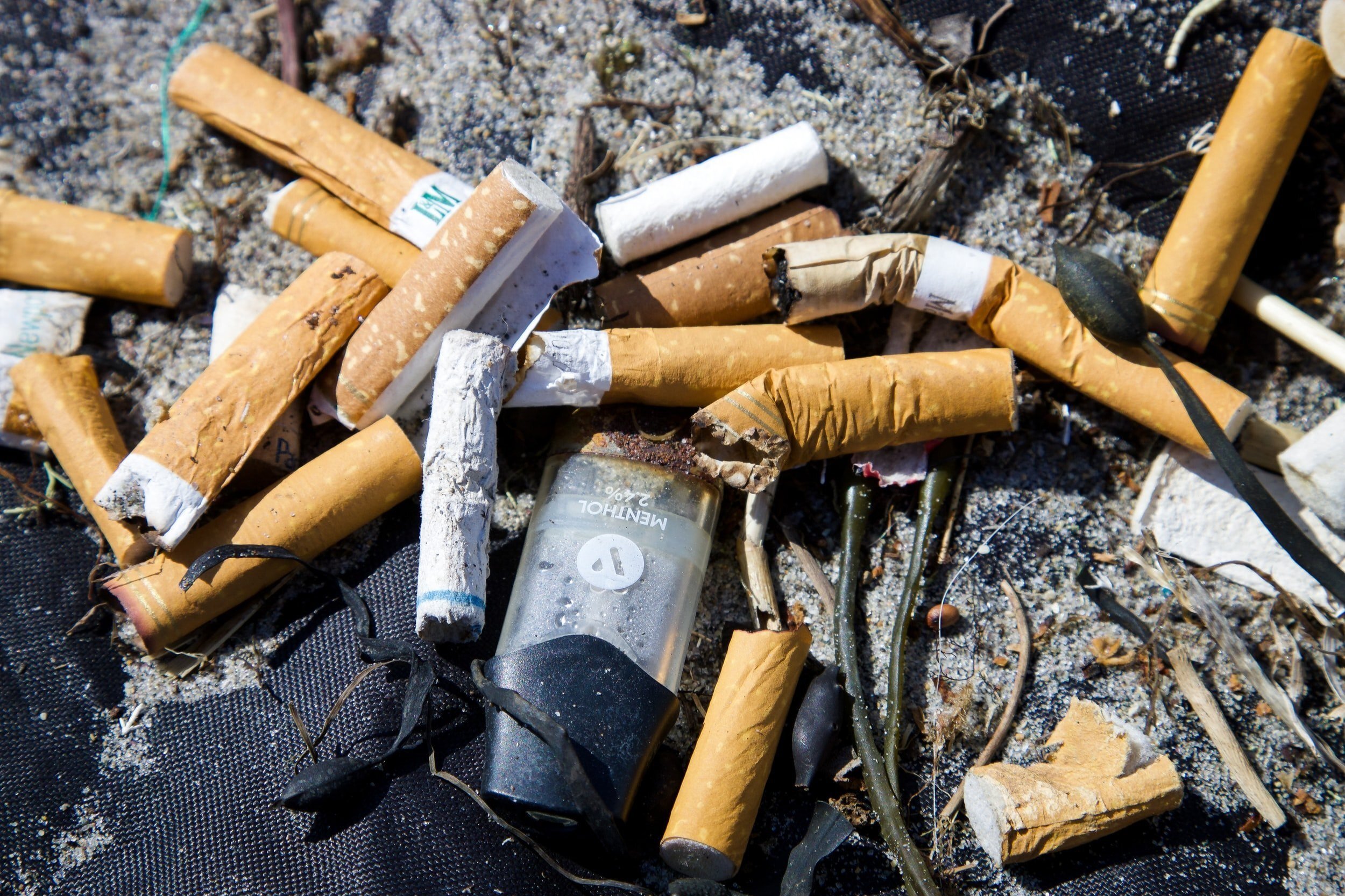


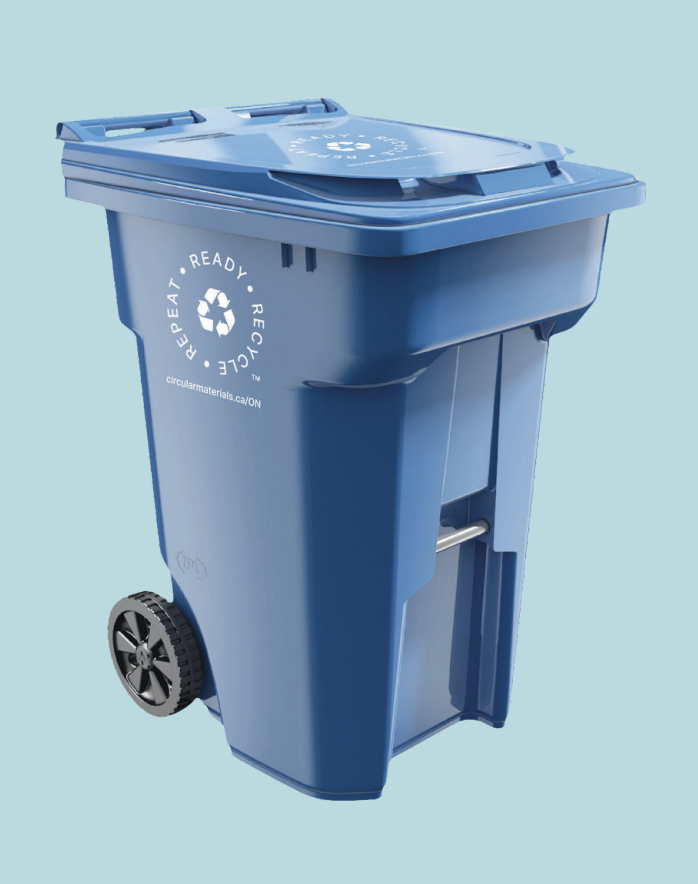
Waste reduction begins before anything reaches the bin. The 5 R’s—refuse, reduce, reuse, recycle and rot—help us consume more thoughtfully, conserve resources and keep useful materials in circulation.
Topics include: recycling, food waste, textile waste, e-waste, sustainable living and the circular economy.
Waste Reduction
Food waste costs more than money. Learn simple ways to plan meals, store food properly, use what you have, save money and keep food out of the landfill.
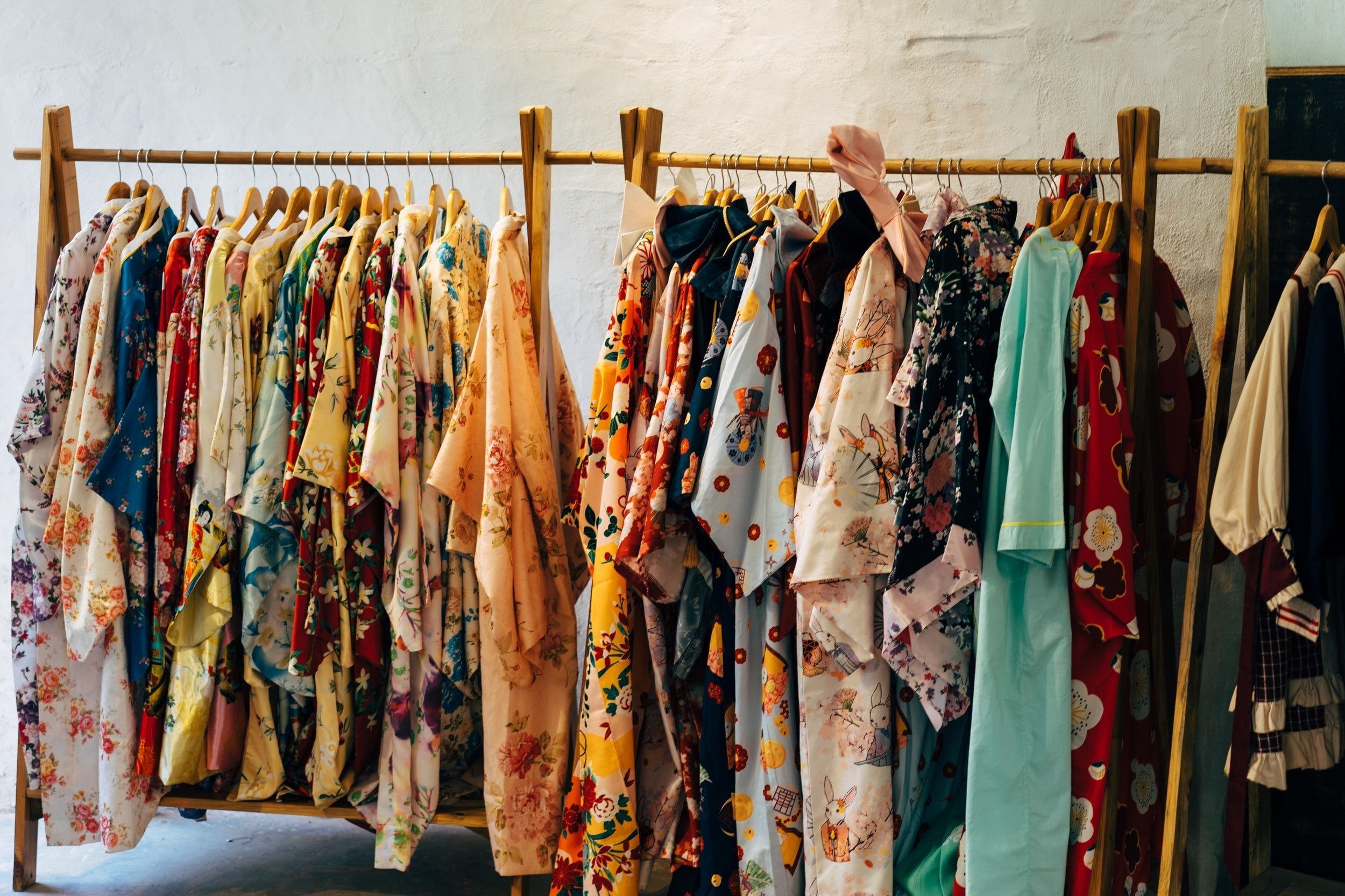
The most sustainable wardrobe may already be in your closet. Learn how to buy less, wear longer, repair, swap and pass clothing on responsibly.
Not sure what to do with old phones, chargers or other electronics? Learn when to repair, sell, donate or recycle them, plus how to handle lithium-ion batteries safely.
In our busy daily lives, the journey to and from work, school, or errands often feels like a necessary routine. But what if you could also reduce the impact that it has on the planet? These include smart route planning, carpooling, and regular vehicle maintenance, which contribute to better outcomes for our wallets, vehicles, and the planet.


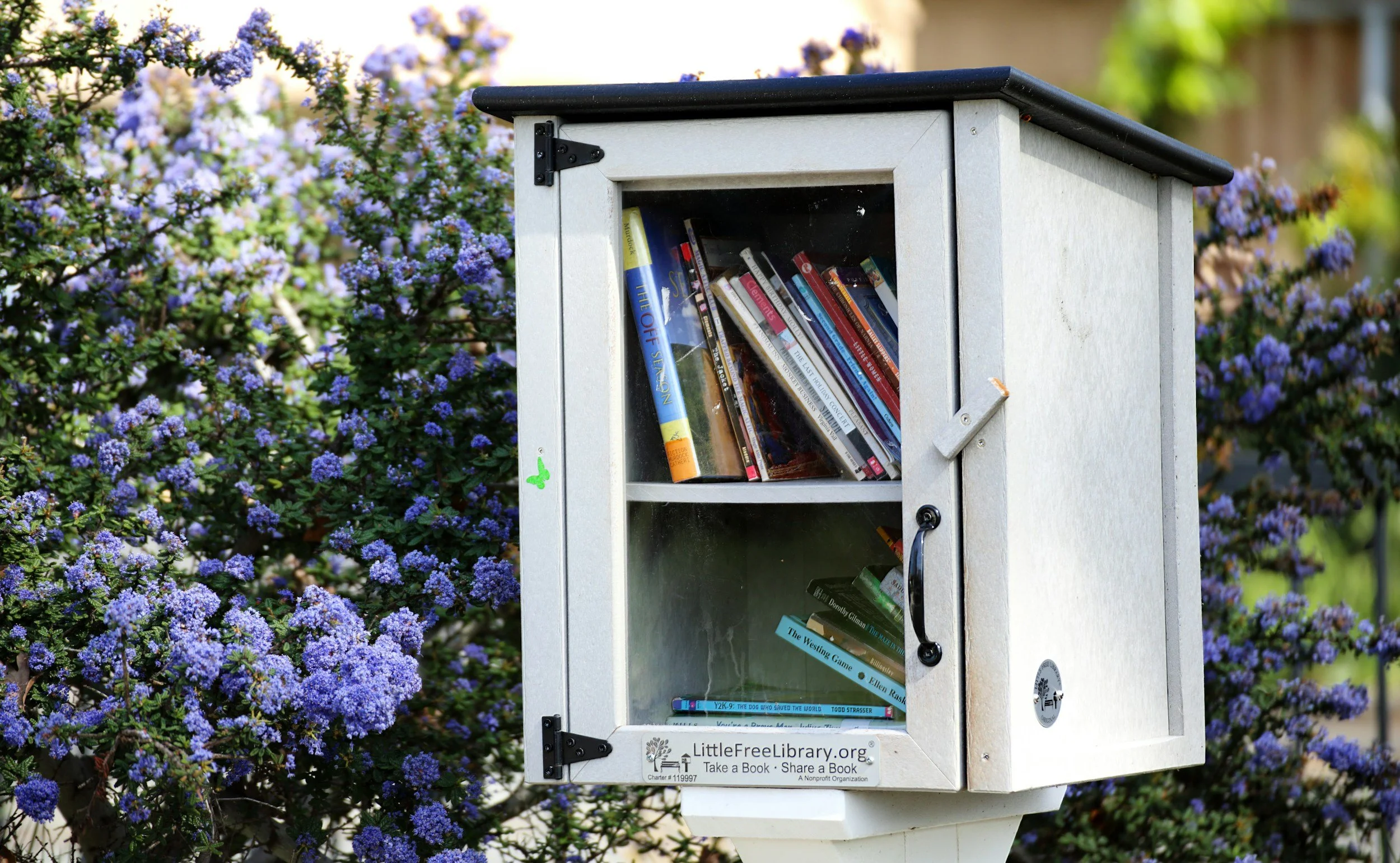
The 5 R’s offer a simple framework for reducing everyday waste. This practical guide shares ways to make lower-waste choices, recycle more thoughtfully and keep useful materials out of the garbage.


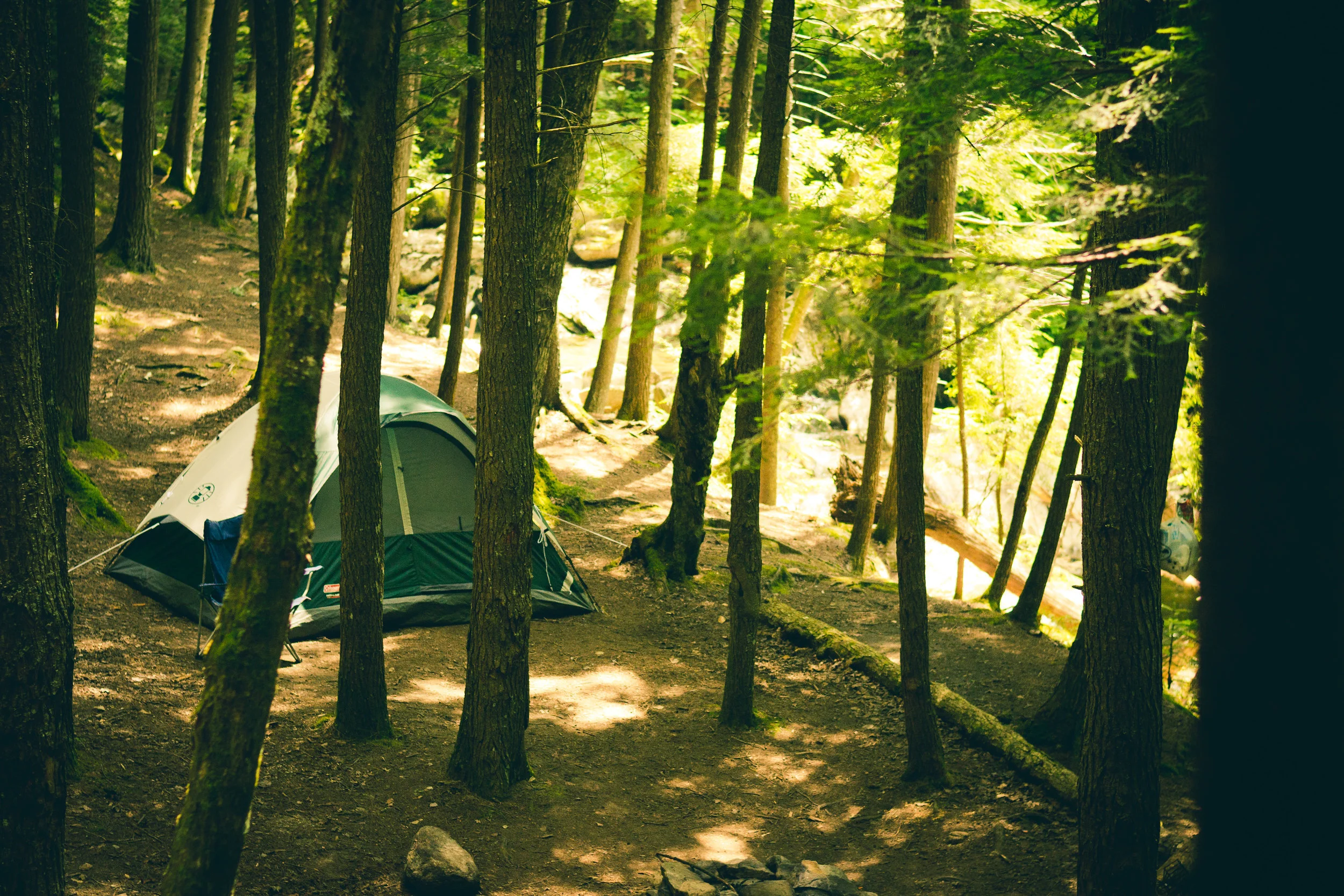
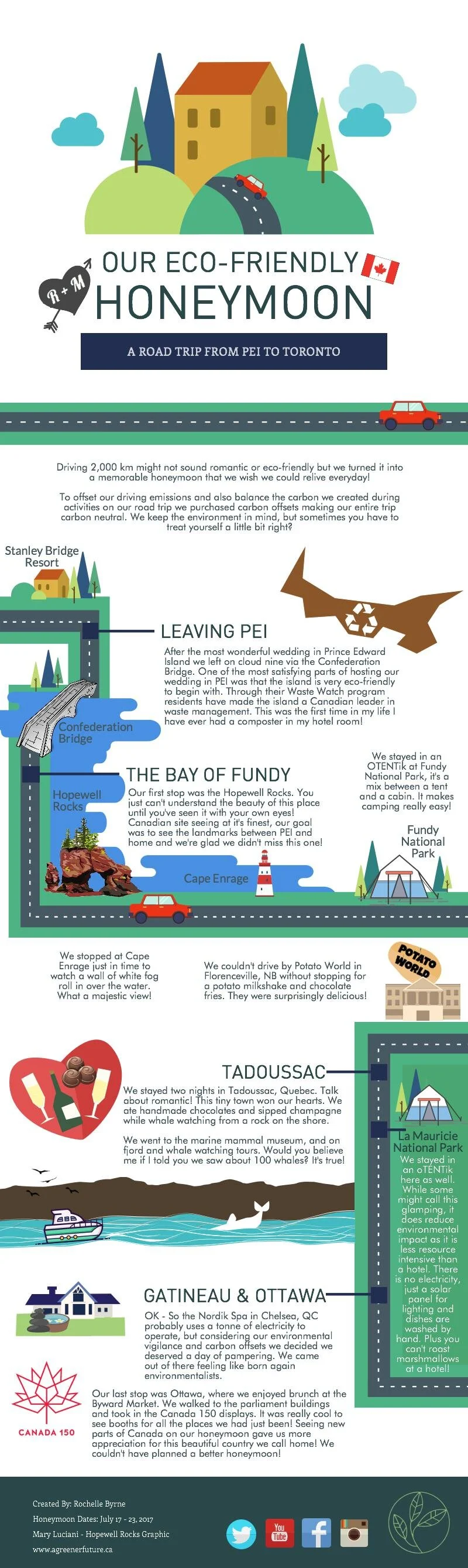

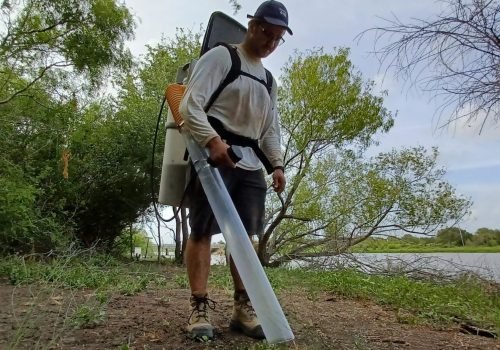
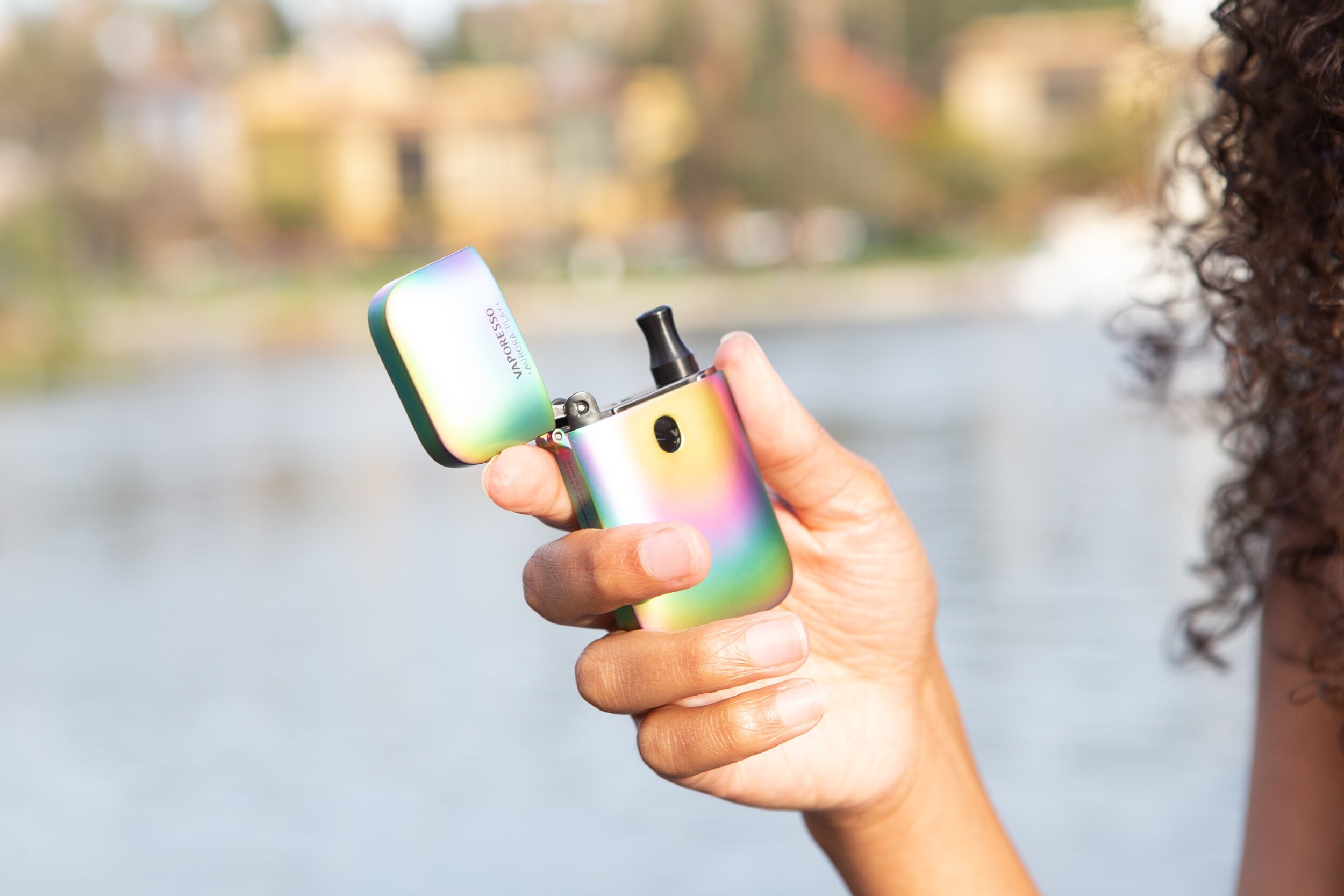
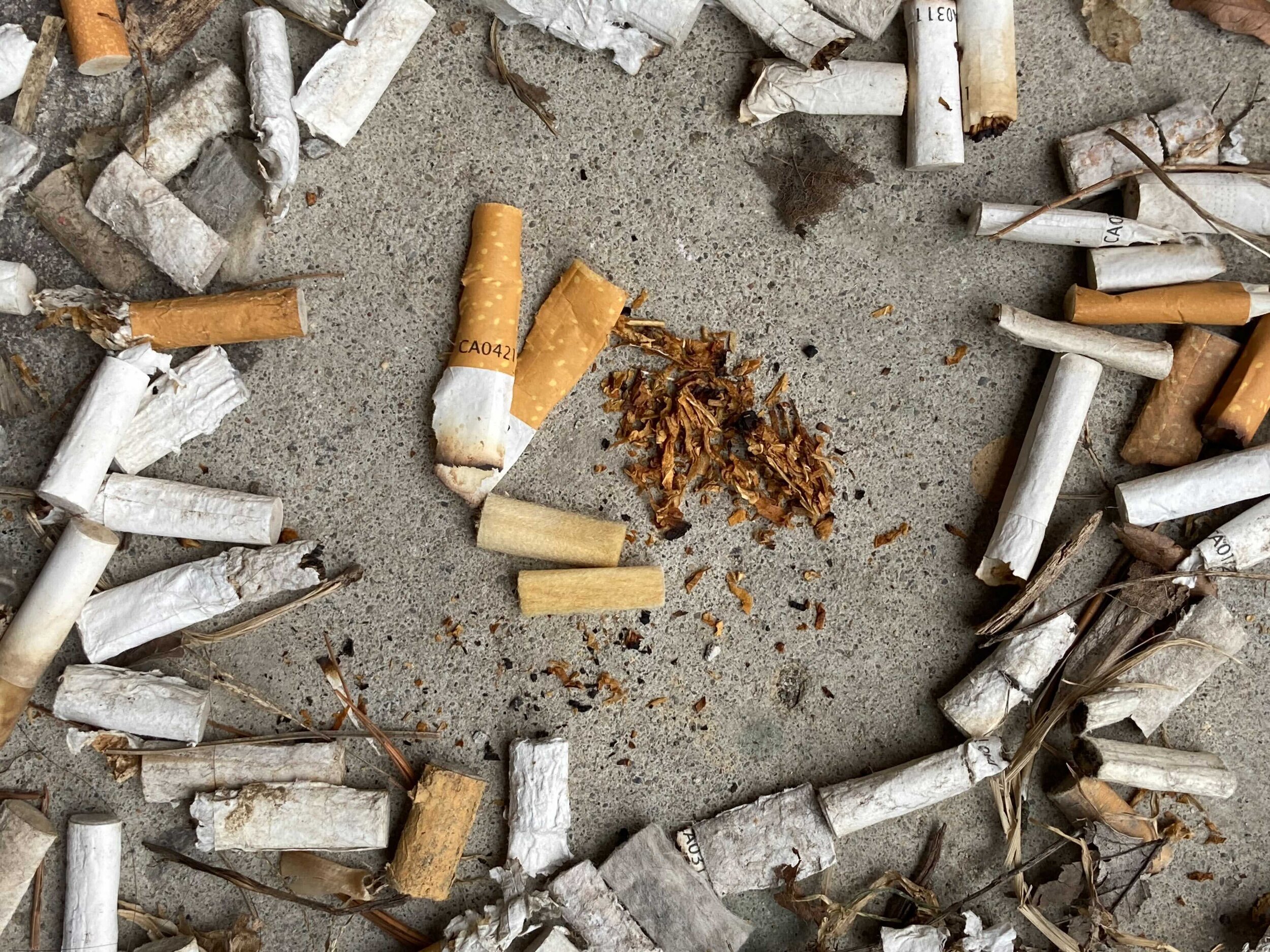
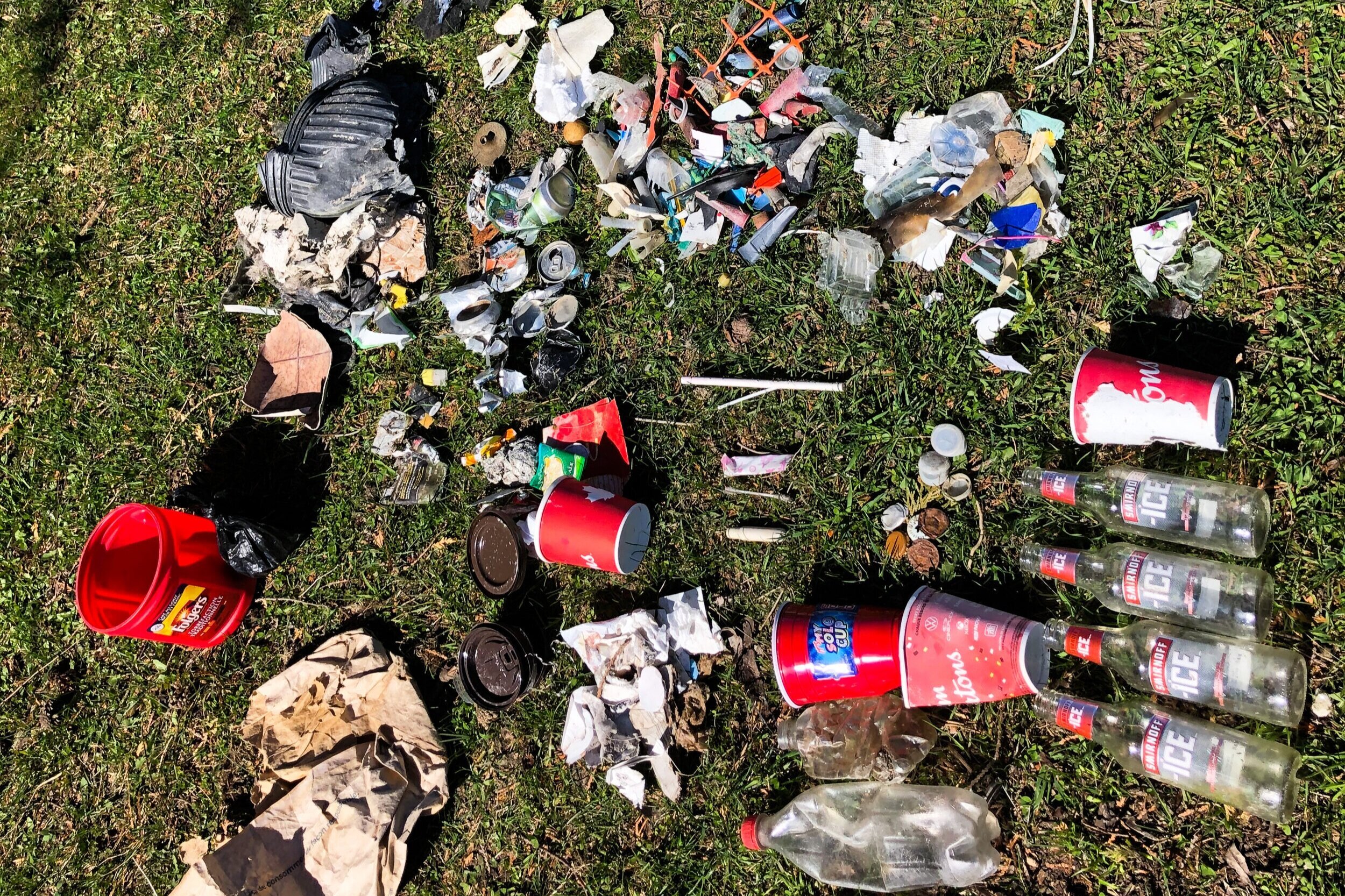
Plastic doesn’t disappear when we throw it away. Packaging, cigarette butts, microfibres, nurdles and other plastics can persist in the environment, enter waterways and affect wildlife, ecosystems and human health.
Topics include: microplastics, cigarette waste, plastic and wildlife, single-use plastics and pollution prevention.
Plastic Pollution
When we think about the dangers of cigarette butts, we often focus on pollution, not fire. But in 2025, with climate change intensifying drought conditions across Canada, the risk of wildfires caused by improperly discarded cigarette butts is higher than ever. As wildfires become more frequent, fast-moving, and destructive, it's crucial to understand how something as small as a smouldering cigarette can spark disaster.
At A Greener Future, we spend our days walking the shorelines of Lake Ontario, picking up the pieces of a bigger problem: plastic pollution. From water bottles and cigarette butts to microplastics (nurdles), our mission is to remove as much of this waste as possible from our environment before it breaks down even further. But what happens when it already has? What happens when plastic becomes so small that it turns into something we can’t just pick up?







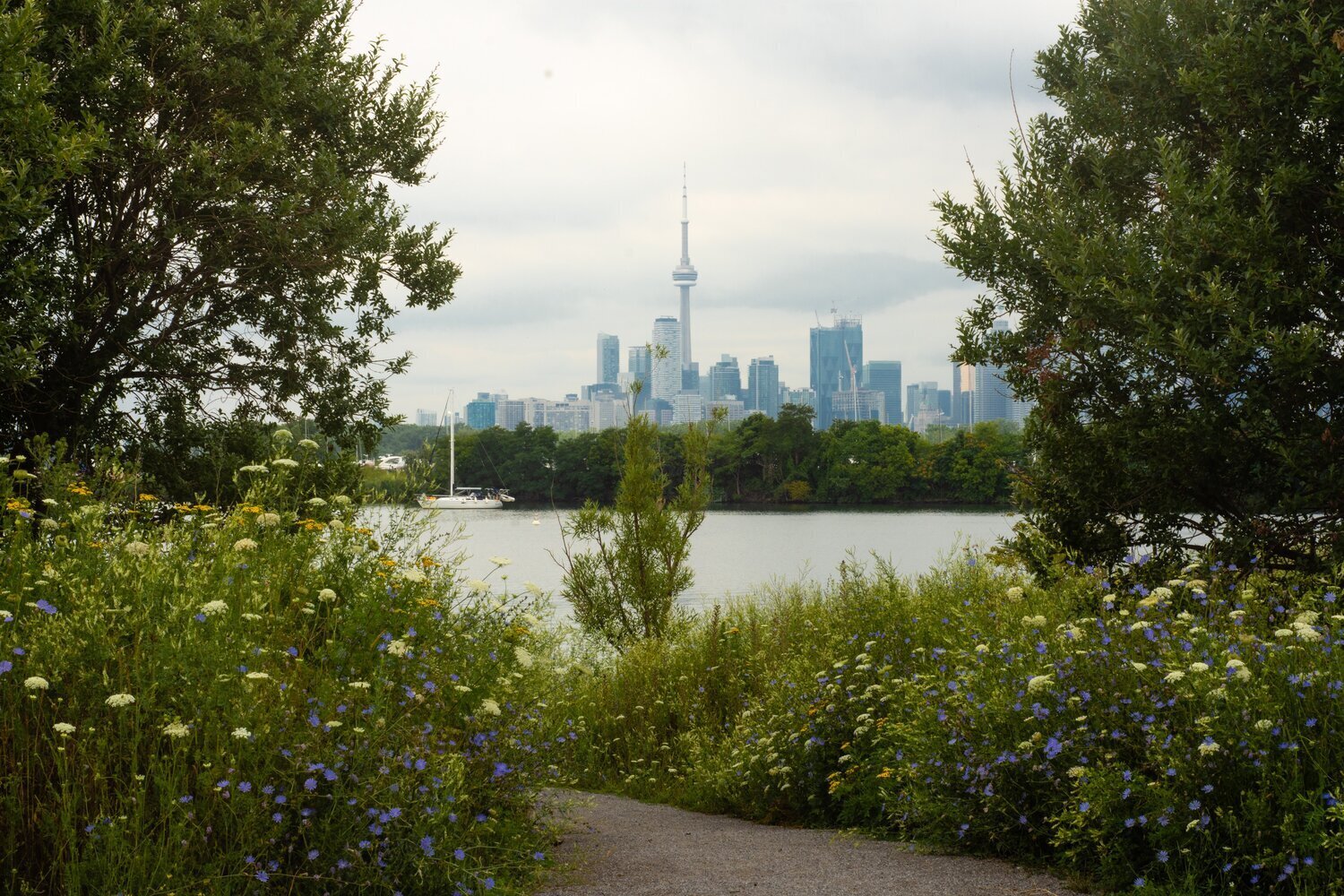
Healthy communities depend on healthy ecosystems. Wetlands help filter water and reduce flooding, forests support biodiversity, and the Great Lakes provide drinking water, habitat, recreation and economic value.
Topics include: the Great Lakes, watersheds, wetlands, forests, wildlife, shorelines and climate.
Environment
The Humber River Watershed is one of the largest and most ecologically significant areas in the Greater Toronto Area, supporting over 600 species and offering vital natural spaces. But increasing pollution, urban development, and climate change are threatening its health. This blog explores how organizations like A Greener Future are leading community cleanups in Toronto, contributing to initiatives like the Toronto Inner Harbour Floatables Strategy, and empowering residents to volunteer for environmental conservation. Discover how you can help protect local waterways, improve biodiversity, and support a cleaner, greener future.


Environmental change is collective. Volunteers, artists, researchers, partners and local residents turn concern into action through cleanups, education, data collection, creative projects and advocacy.
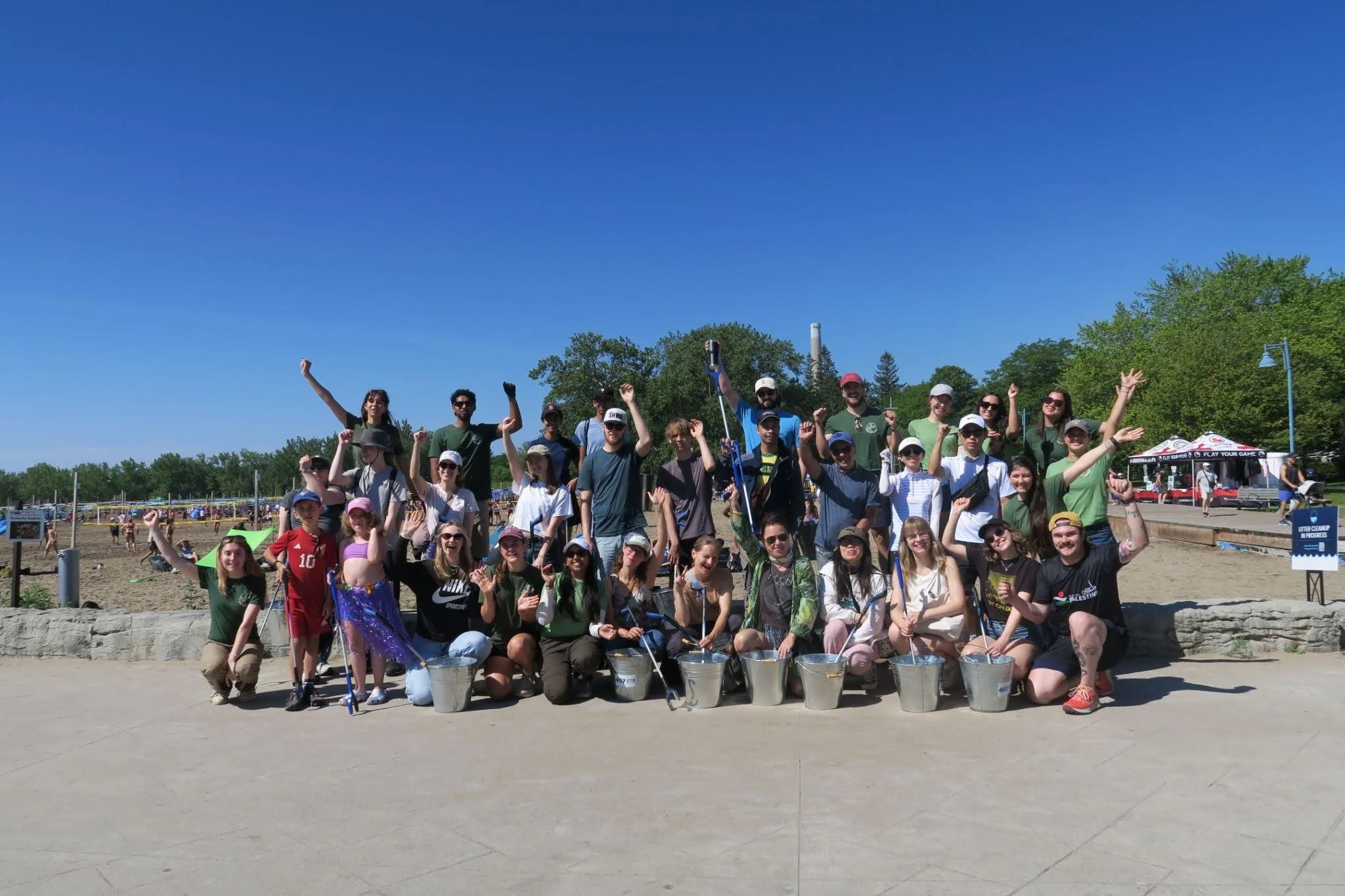
Topics include: volunteer stories, community cleanups, the Butt Blitz, Love Your Lakes, litter art and partnerships.
Community
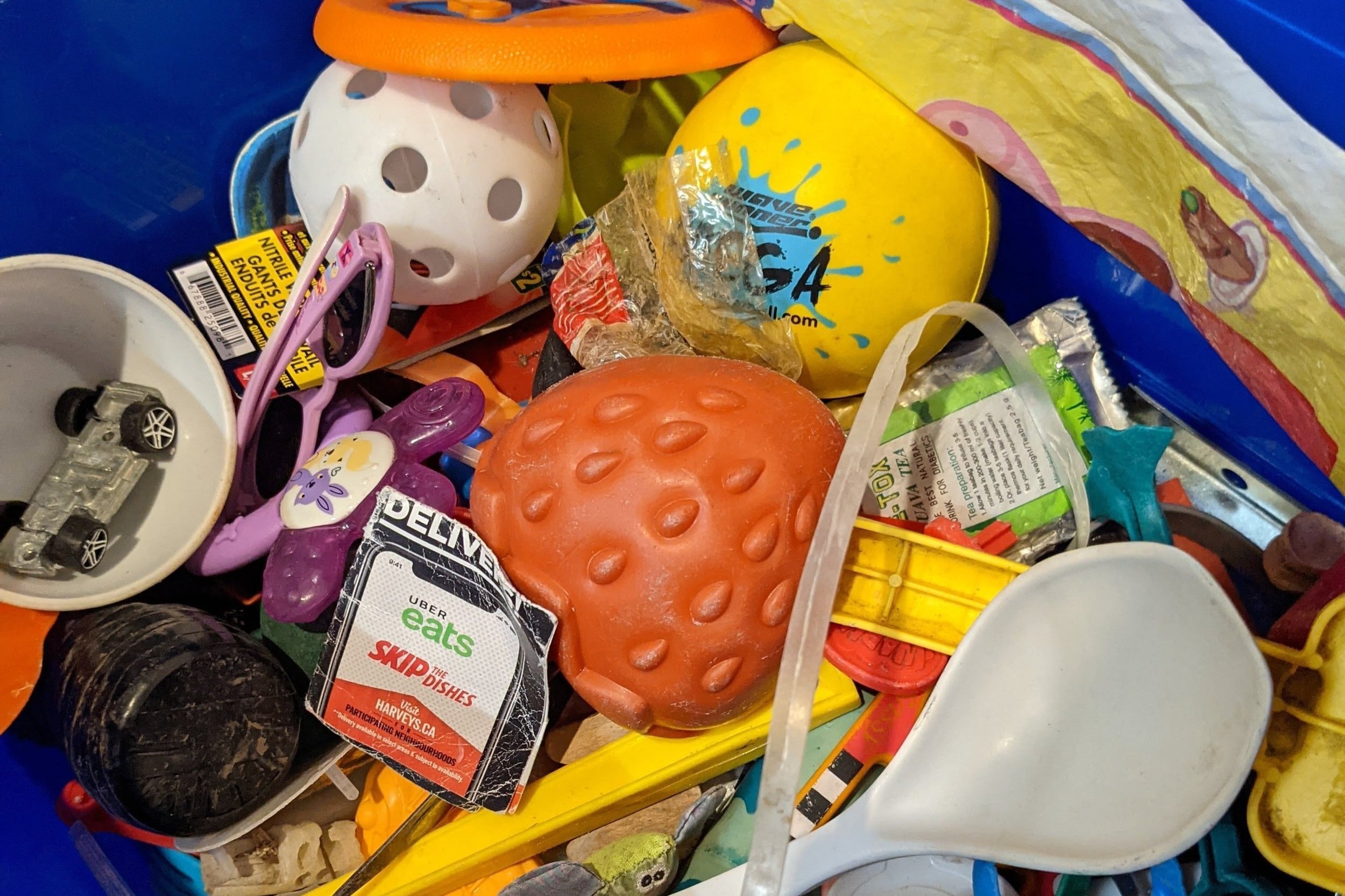
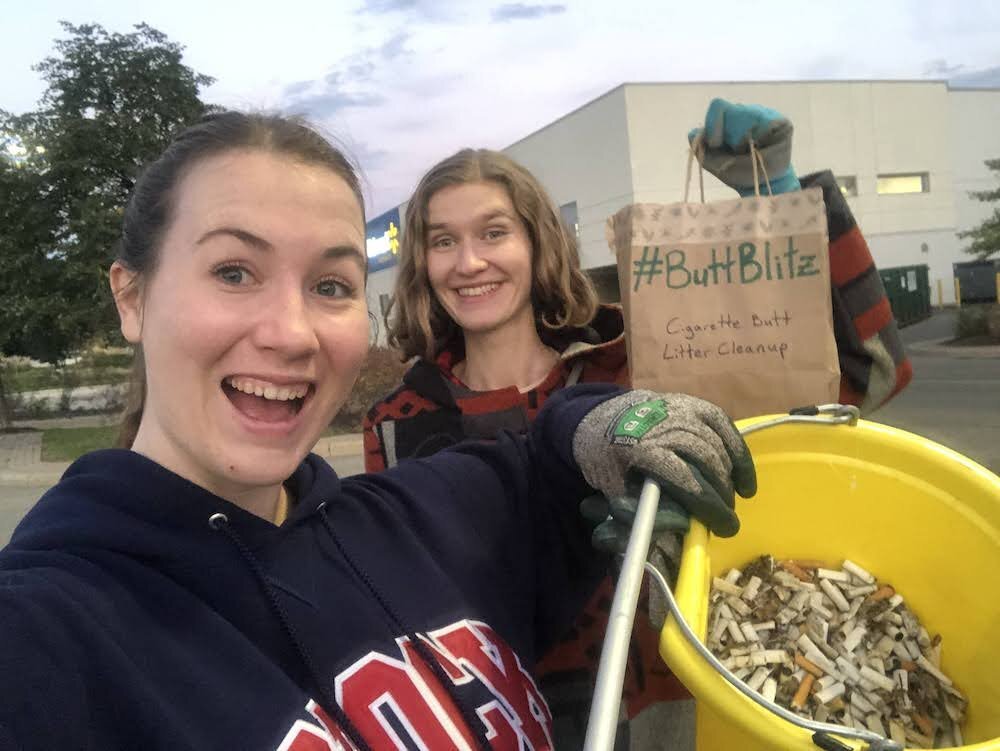
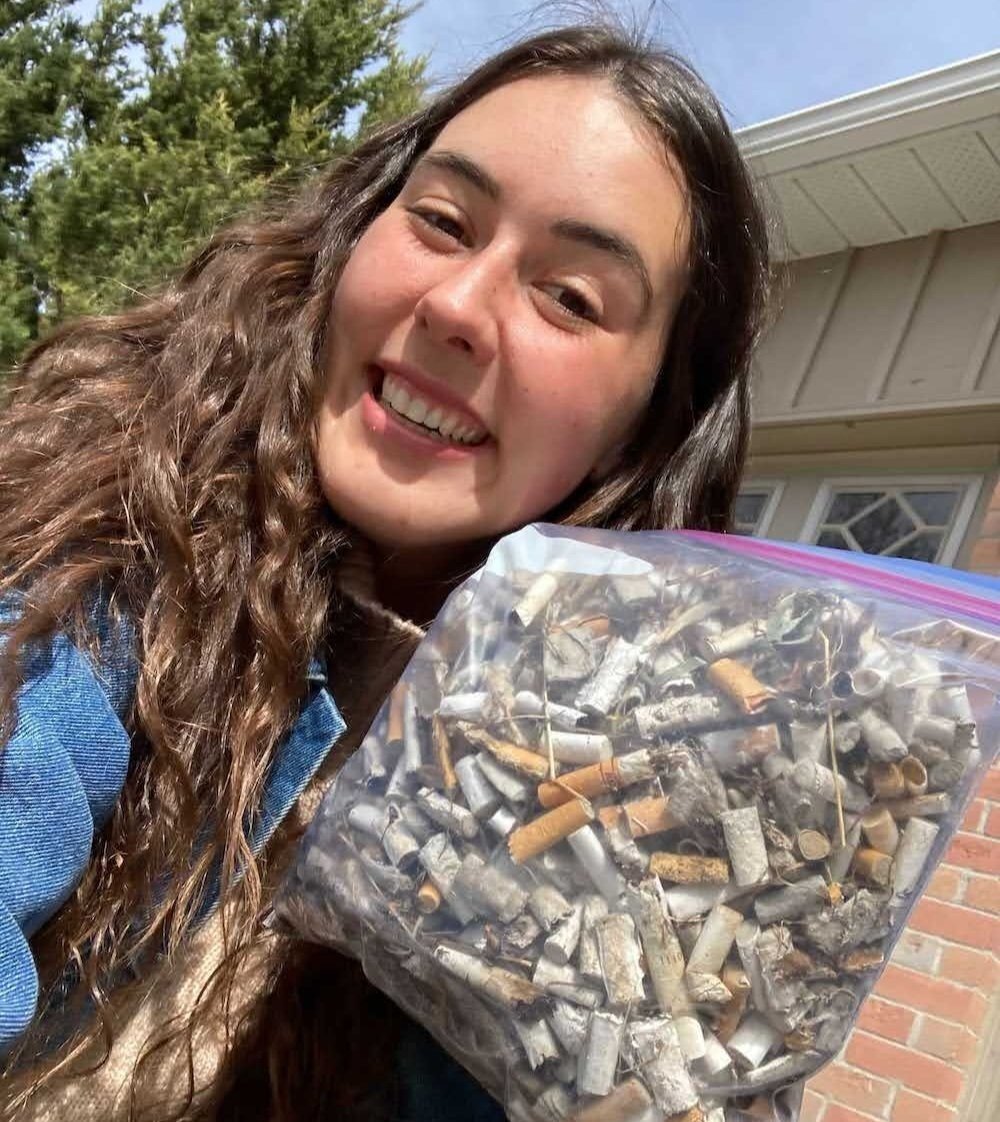
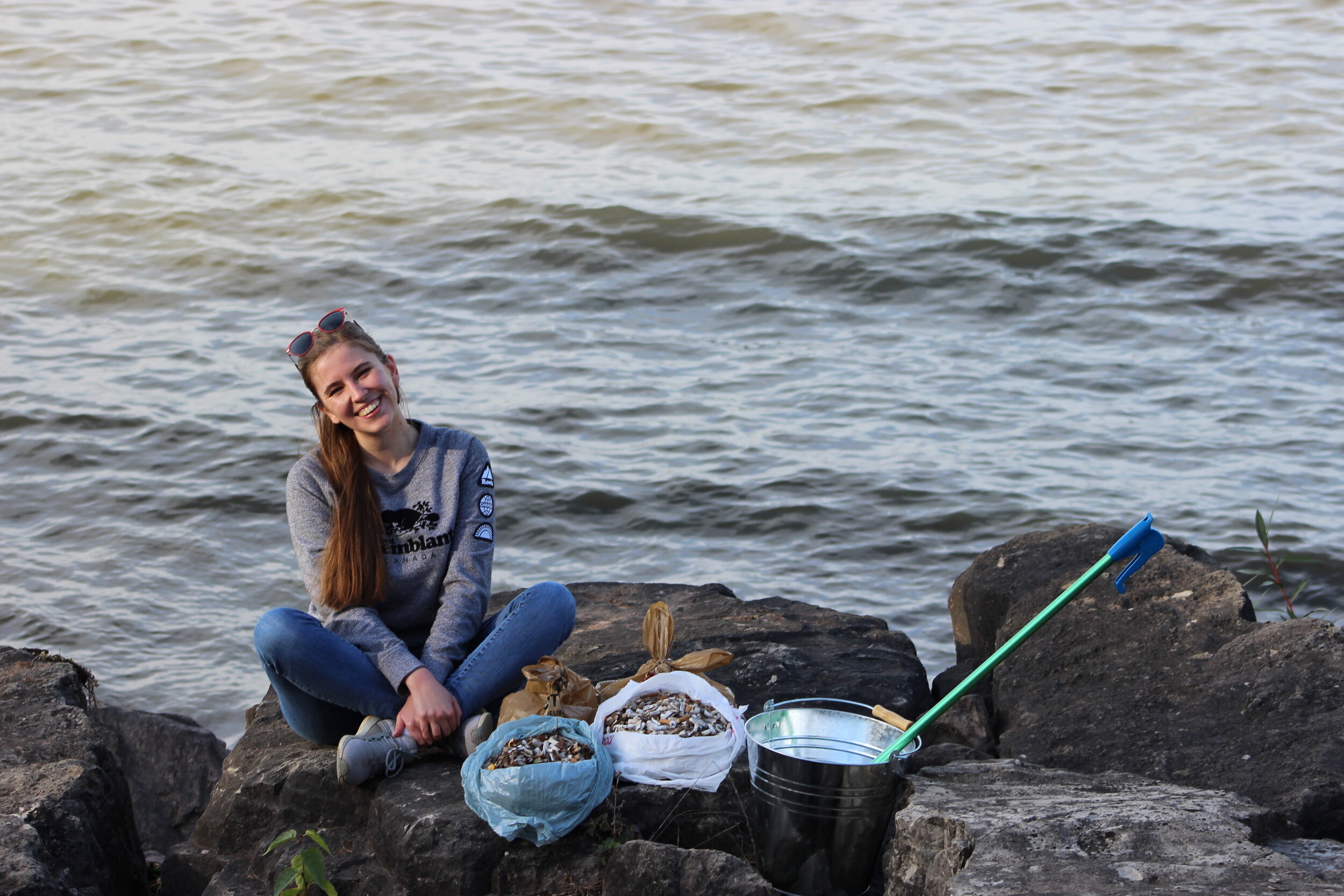
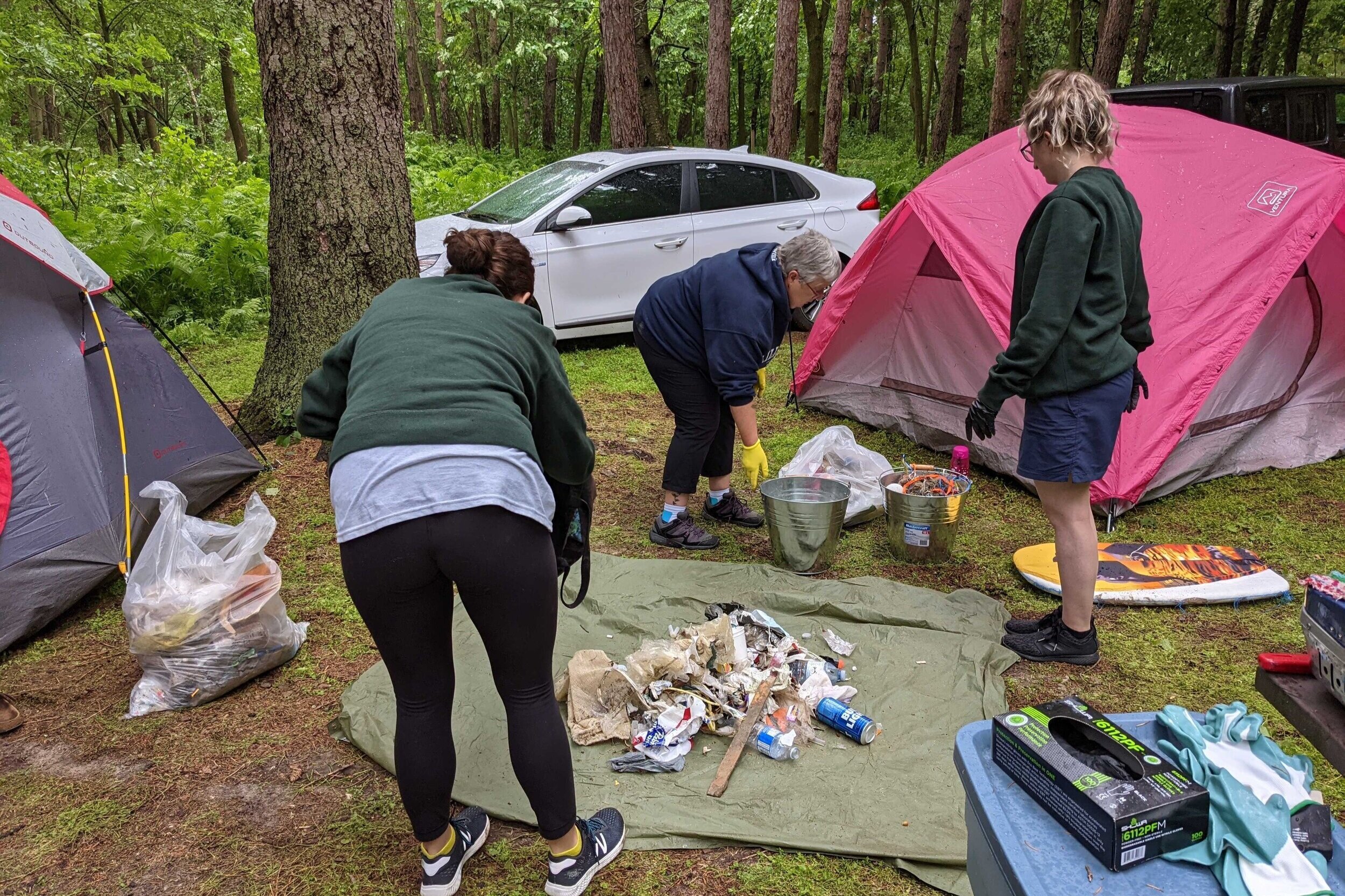



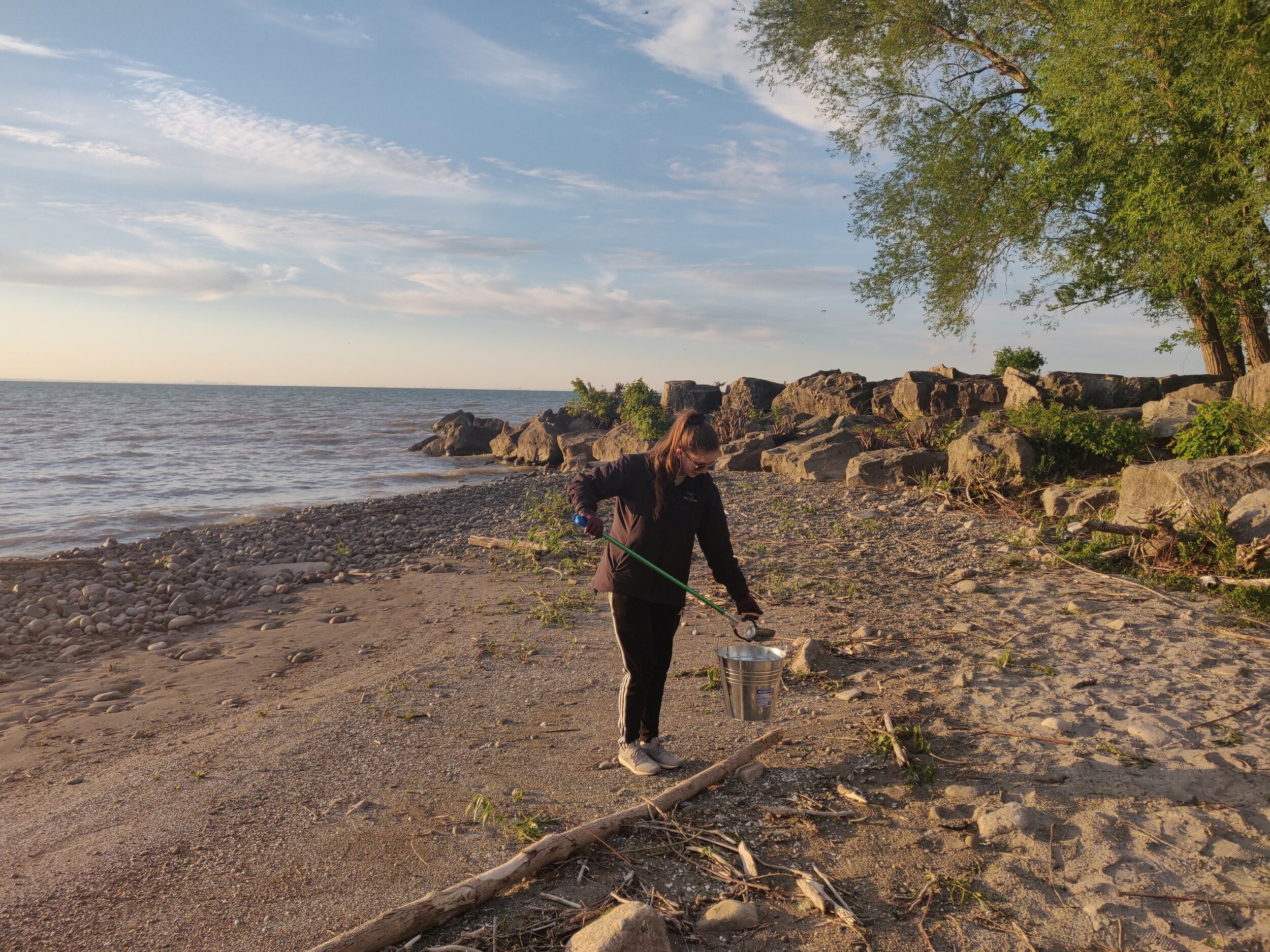
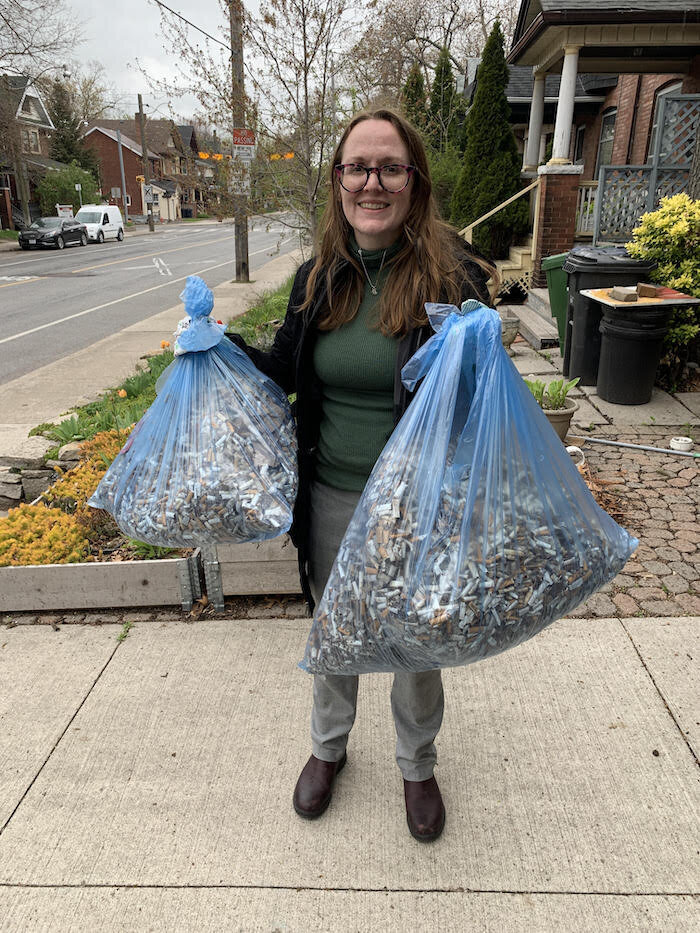
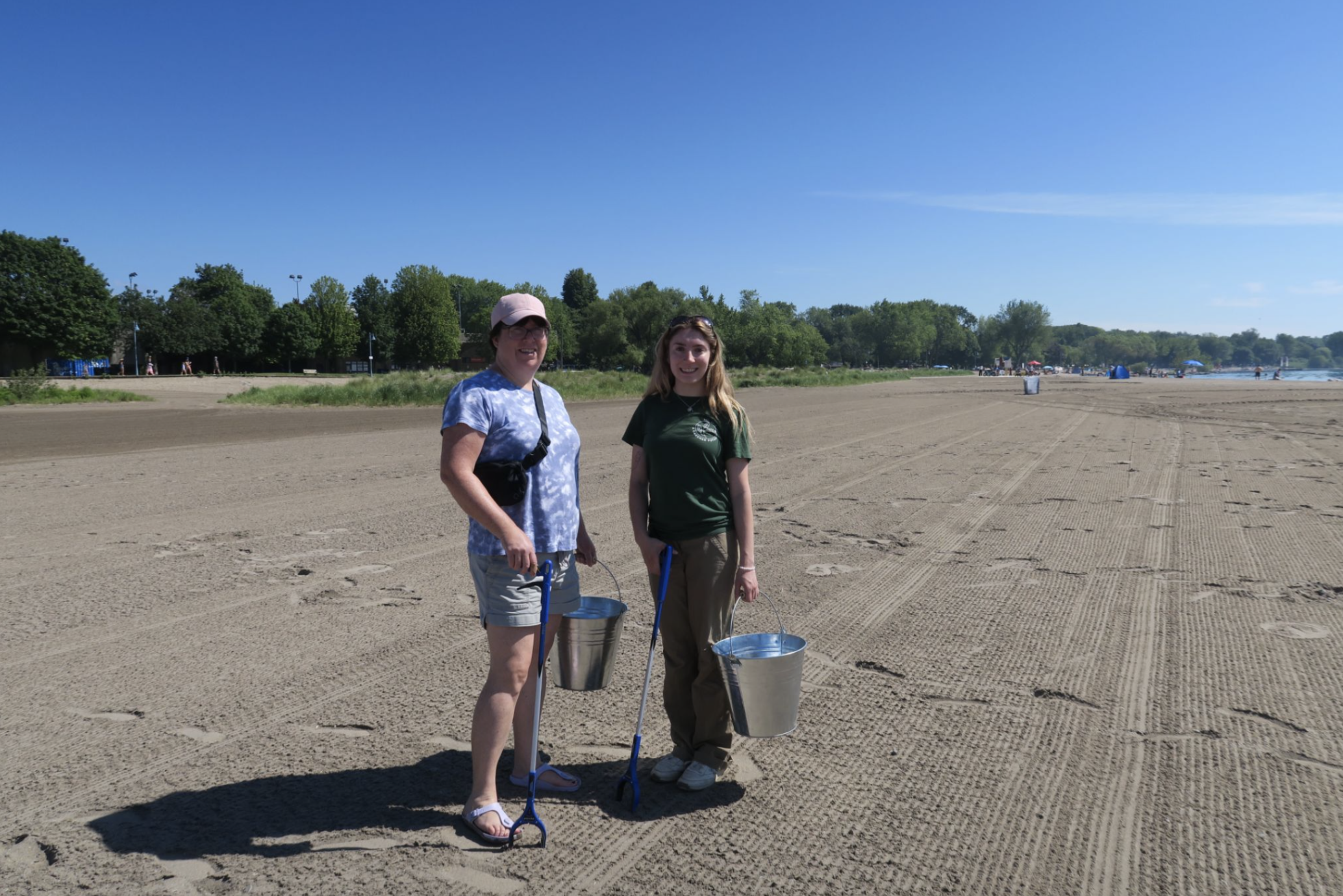
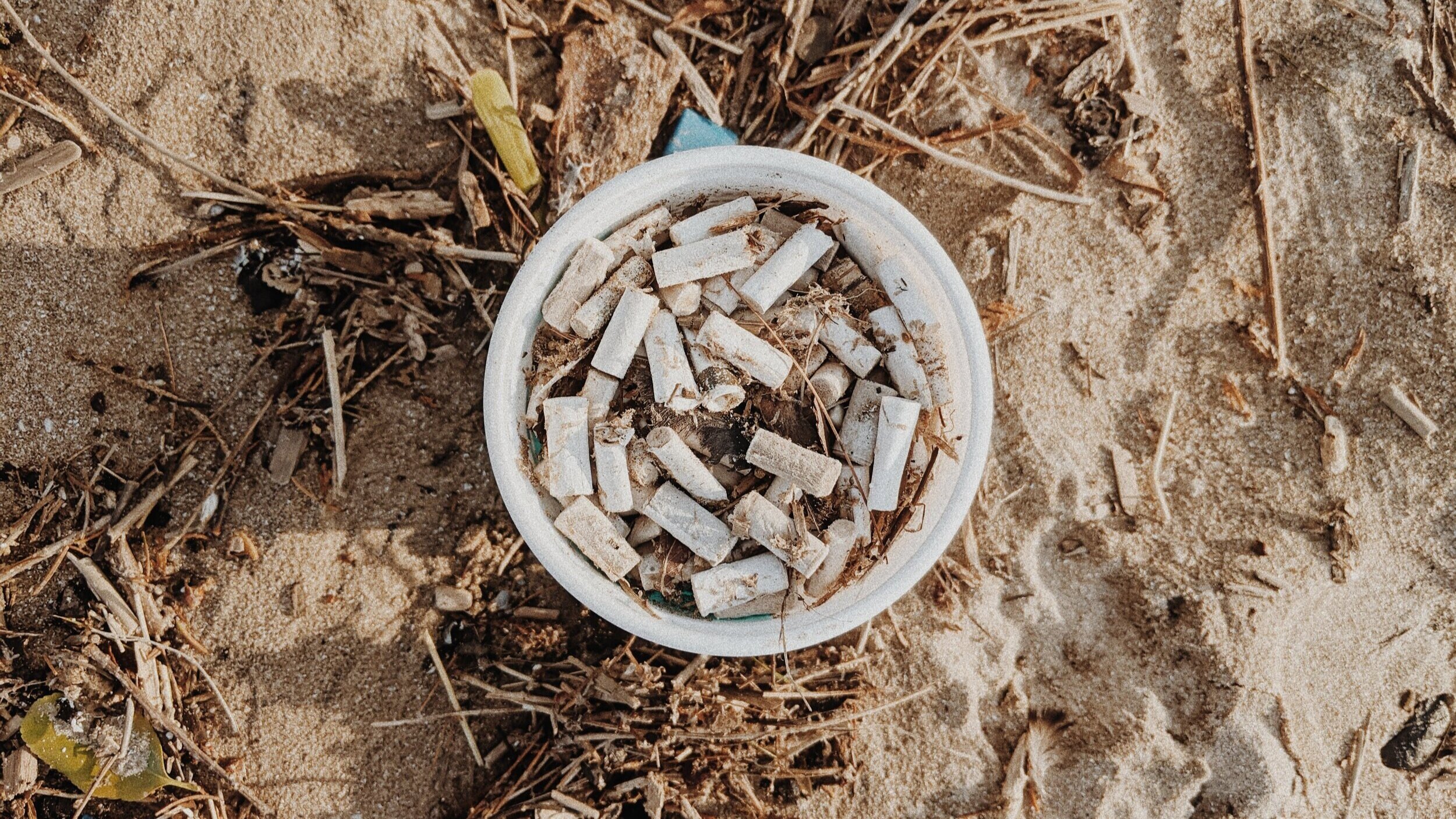
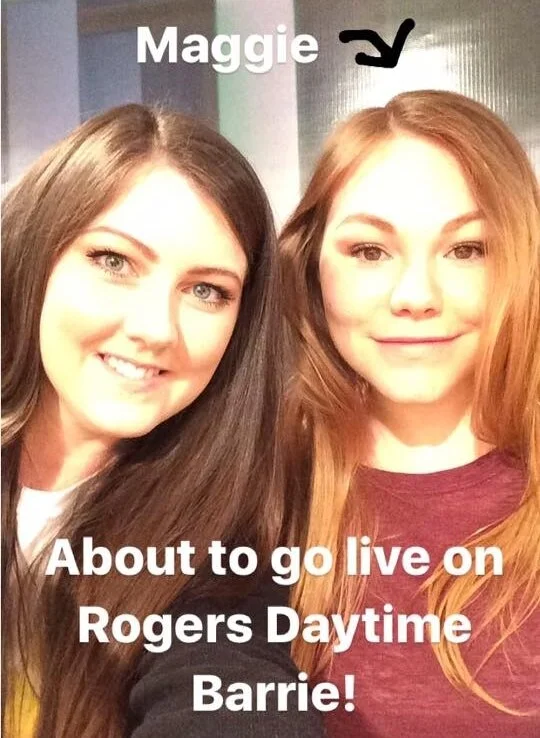
OSHAWA, ON – The Butt Blitz, usually an annual one-day event but was adapted to suit pandemic conditions, is the biggest cigarette cleanup in Canada. In honour of Earth Month, 160 volunteers across 25 different cities picked up 825,796 cigarette butts across Canada.



Individual action matters, but lasting progress also requires better systems. Circular design, repair, producer responsibility, research, policy and new technologies can prevent waste and help communities respond more effectively.
Topics include: circular systems, cleanup technology, waste policy, research, data and environmental design.
Innovation & Solutions
Food waste costs more than money. Learn simple ways to plan meals, store food properly, use what you have, save money and keep food out of the landfill.
The most sustainable wardrobe may already be in your closet. Learn how to buy less, wear longer, repair, swap and pass clothing on responsibly.
Not sure what to do with old phones, chargers or other electronics? Learn when to repair, sell, donate or recycle them, plus how to handle lithium-ion batteries safely.
The 5 R’s offer a simple framework for reducing everyday waste. This practical guide shares ways to make lower-waste choices, recycle more thoughtfully and keep useful materials out of the garbage.
Food waste costs more than money. Learn simple ways to plan meals, store food properly, use what you have, save money and keep food out of the landfill.
The most sustainable wardrobe may already be in your closet. Learn how to buy less, wear longer, repair, swap and pass clothing on responsibly.
Not sure what to do with old phones, chargers or other electronics? Learn when to repair, sell, donate or recycle them, plus how to handle lithium-ion batteries safely.
The 5 R’s offer a simple framework for reducing everyday waste. This practical guide shares ways to make lower-waste choices, recycle more thoughtfully and keep useful materials out of the garbage.
Practical Guides for Everyday Action
Learning is only the beginning. Join a cleanup, subscribe for new resources, or support our work.