How to Prevent Food Waste at Home (and Save Money Too)
We have all found a forgotten container at the back of the fridge or bought produce with excellent intentions, only to watch it wilt before we use it. Food waste happens easily because life happens easily.
But when food is wasted, we lose more than the food itself. We also waste the water, land, energy, labour, packaging and transportation that helped bring it to us. When food and other organic material break down in a landfill without oxygen, they generate methane, a powerful greenhouse gas. That is why the Government of Canada’s food loss and waste hierarchy puts prevention first.
Reducing food waste at home does not require a flawless weekly meal plan. It is about making the food you already have easier to see, easier to use and harder to forget. And, as grocery costs continue to add up, wasting less food can also mean saving more money.
Shop your kitchen first
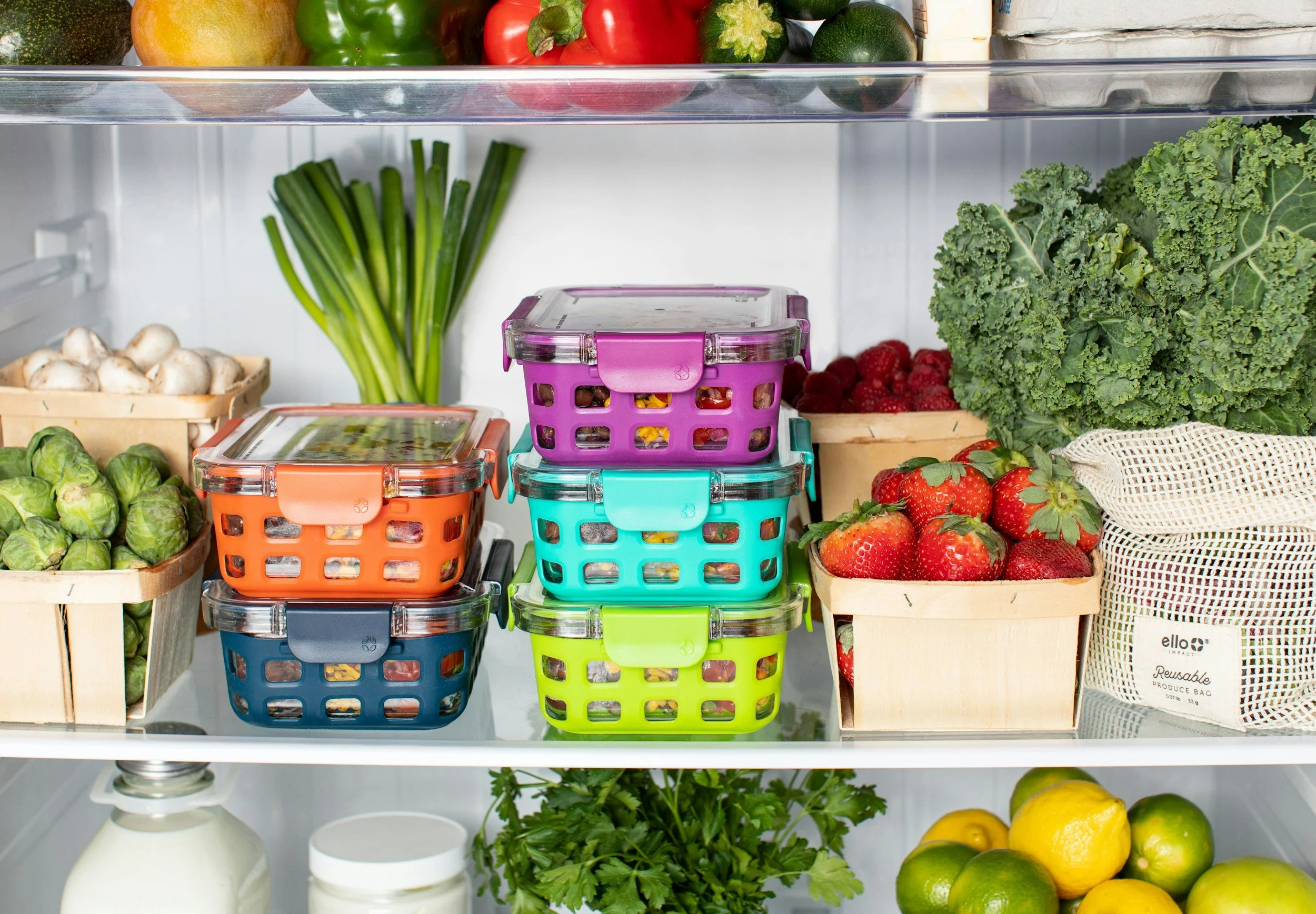
Before making a grocery list, take a quick look in your fridge, freezer and pantry. Which foods need to be used soon? What can become the beginning of a meal?
Try planning only a few dinners, leaving room for leftovers and changing schedules. Add the ingredients you truly need to a list, then check the list before putting an extra item in your cart.
The Government of Canada’s Taking Stock report identifies over-purchasing, weak meal planning, storage problems, date-label confusion and uneaten leftovers among the common reasons food is wasted at home. In other words, a two-minute kitchen check can solve more than we might think.
Create an “eat me first” zone
Food gets forgotten when it disappears behind newer groceries. Choose one visible shelf, bin or basket for items that should be eaten first. Put ripe fruit, open packages and leftovers there.
You can also practise “first in, first out”: move older items to the front and put newer ones behind them. It is not glamorous, but neither is discovering a liquefied cucumber in the crisper drawer.
Learn the difference between best-before and expiry dates
A best-before date is mainly about the freshness and quality of an unopened product. It does not automatically mean the food becomes unsafe the next day. Expiry dates are different and appear on a limited group of foods.
The Canadian Food Inspection Agency recommends understanding date labels, storing food properly and using older items first. Always follow food-safety guidance, pay attention to storage instructions and use your judgment. When in doubt about safety, do not take a risk.
Understanding food date labels can help prevent perfectly edible food from being thrown away unnecessarily.
Make leftovers the easy choice
Leftovers are more likely to be eaten when they are easy to recognize and ready to grab.

Store them in clear containers when possible.
Label the container with the date.
Pack tomorrow’s lunch while cleaning up dinner.
Freeze portions you will not eat in time.
Create a weekly “use-it-up” meal.
Not every leftover needs to return as the same meal. Roasted vegetables can become soup, a grain bowl or an omelette. Stale bread can become croutons or breadcrumbs. Soft fruit can go into a smoothie, sauce or baked treat. A handful of odds and ends can become “fridge surprise” a meal with very loose rules and an excellent name.
Store food for the life it actually has
Good food storage buys time.
Keep your fridge cool and avoid packing it so tightly that air cannot circulate. Learn which produce prefers the fridge and which is happier on the counter. Separate foods that speed up ripening when needed. Freeze bread, herbs, ripe fruit and meal portions before they become urgent.
If you are unsure how to store something, look it up when you bring it home, not three days later when it is already fading.
Make “imperfect” food normal
A crooked carrot, bruised apple or day-old loaf can still be delicious. Choose discounted or imperfect produce when you know you can use it, and judge food by its condition rather than its beauty.
Buying local and seasonal food can also help you feel connected to the people who grow it. Ask farmers, grocers and restaurants what they do with surplus food and how they are working to reduce waste. The more customers ask, the more visible the issue becomes.
Rescue surplus food and save money
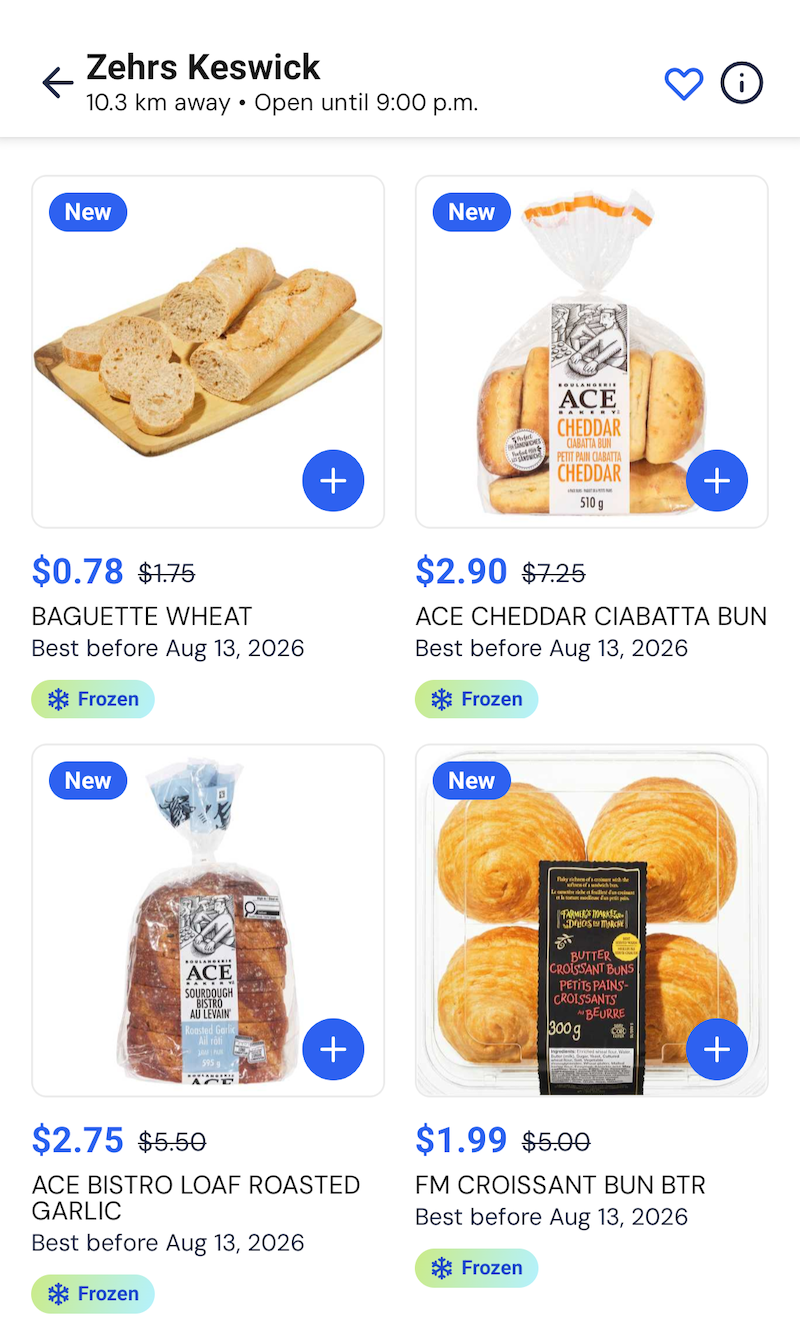
Another way to reduce food waste is to buy food that stores and restaurants already have too much of.
Flashfood works with grocery stores to offer surplus groceries and items approaching their best-before dates at discounted prices. You can browse participating stores through the app, purchase the food you want and pick it up in-store.
Too Good To Go takes a similar approach with restaurants, cafés, bakeries and grocery stores. Participating businesses offer surplus food through the app, often in “Surprise Bags,” at a fraction of its original price.
Food rescue apps like these can be a win for everyone: businesses recover some of the cost of food that might otherwise go unsold, shoppers can save money on groceries and prepared food, and perfectly good food gets another chance to be eaten instead of thrown away.
There is one catch: a bargain only prevents food waste if you actually eat it. Before rescuing five loaves of bread because they are heavily discounted, make sure there is room in the freezer.
Compost what cannot be prevented
Some scraps are unavoidable: peels, pits, bones and coffee grounds, depending on what your local program accepts. Composting these materials is far better than sending them to landfill, but it comes after prevention, sharing edible surplus and using leftovers.
Check your municipal green-bin or composting guide before deciding what belongs. “Compostable” packaging is not accepted everywhere.
Your five-minute action
Choose one visible spot in your fridge and make it your “eat me first” zone. Put the three foods most likely to be forgotten there, then plan one meal around them.
For an extra challenge, check Flashfood or Too Good To Go the next time you need groceries or takeout and see whether you can rescue something you were already planning to buy.
Preventing food waste is not about never tossing a wilted leaf again. It is about paying a little more attention to the food we buy, enjoying more of it and wasting less of everything that went into producing it. And if we can save a little money at the same time, even better.