Waste Reduction Week 2026: 7 Practical Ways to Take Part
Canada’s Waste Reduction Week runs from October 19 to 25, 2026, during the third week of Circular Economy Month. The campaign invites people, schools, workplaces and communities to keep products and materials in use longer and prevent waste before it is created.
You can take part by repairing, reusing, sharing and swapping, while reducing textile, electronic, plastic and food waste. You do not need a perfectly zero-waste home or a complete lifestyle overhaul. Start with one action you can realistically continue after the week ends.
At a glance
Dates: October 19-25, 2026
Purpose: Keep resources in use and prevent waste
How to participate: Choose one of the seven practical actions below
What Is Waste Reduction Week in Canada?
Waste Reduction Week is a national campaign led by the Circular Innovation Council. In 2026, it celebrates 25 years of helping Canadians learn about waste reduction and the circular economy.
A circular economy moves away from the linear pattern of taking resources, making products and throwing them away. Instead, products and materials are designed to last and kept in use through sharing, reuse, repair, refurbishment and recycling.
The 2026 campaign highlights five priority material areas: construction, renovation and demolition; textiles; electronics and critical minerals; packaging; and food. The seven actions below turn those big themes into manageable ways to participate at home, school or work.
Why Does Waste Reduction Come Before Recycling?
Recycling matters, but it is not the first or most effective step in reducing waste. The Government of Canada’s waste hierarchy puts prevention and reduction first, followed by reuse and repair. Recycling comes after those options have been considered.
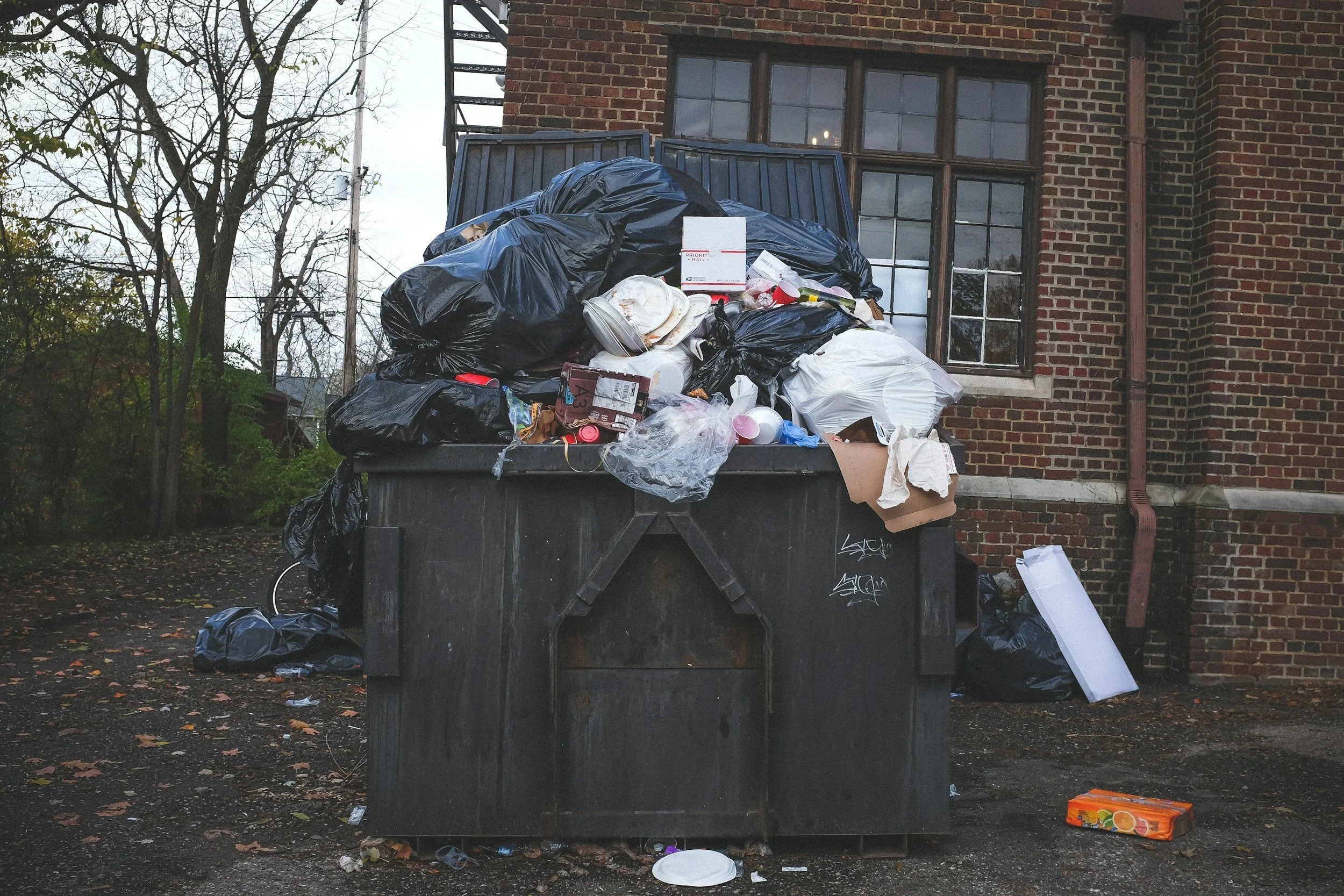
At A Greener Future, we see what happens when materials escape the systems meant to keep them in use and become litter. Since 2014, our volunteers have collected more than 10 million pieces of litter from parks, communities and shorelines.
Cleanups are an important part of the solution. Waste Reduction Week invites us to act even earlier, before an item becomes waste or has the chance to enter the environment.
How Can You Take Part in Waste Reduction Week?
1. Repair What You Already Own
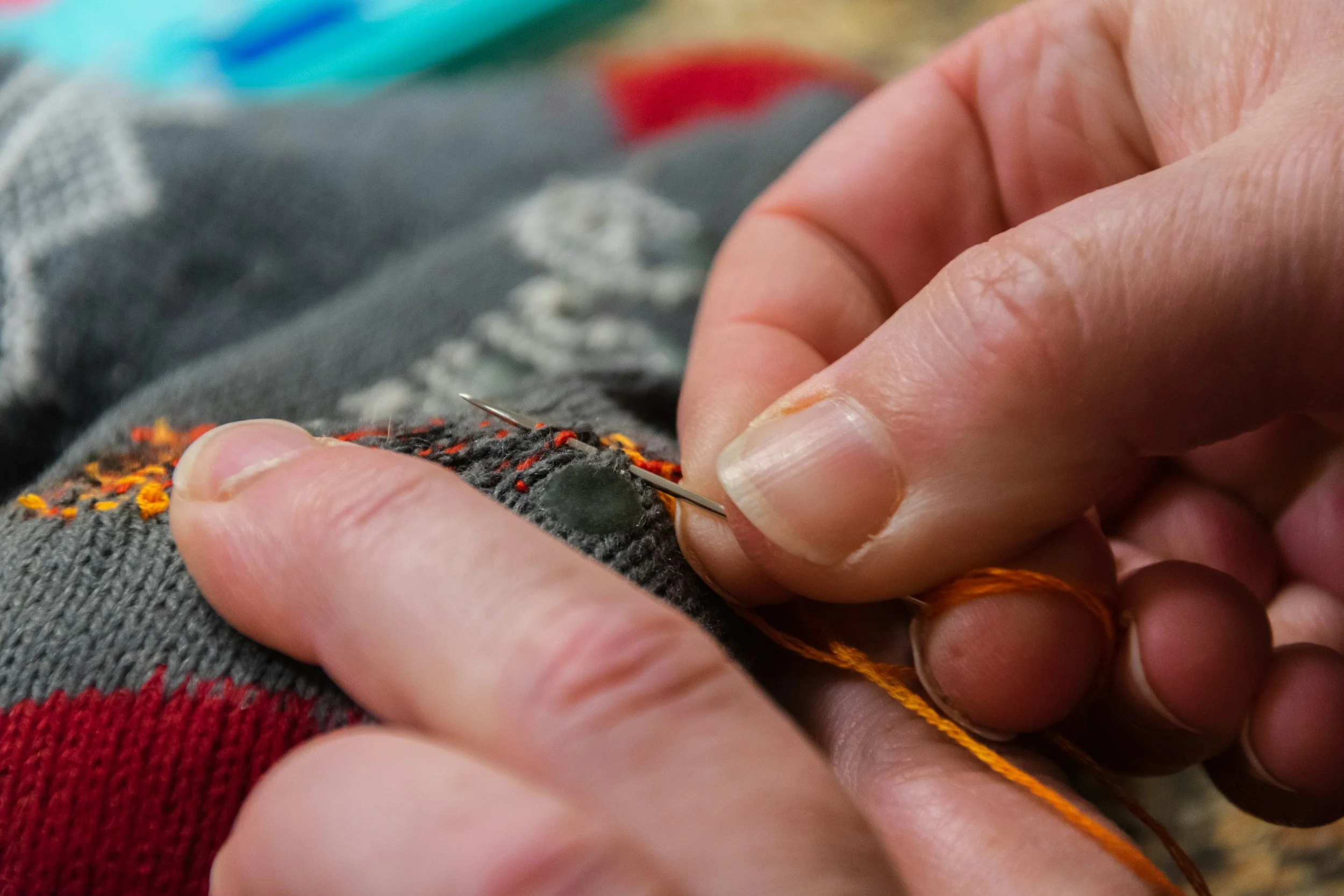
Repair can save money, build useful skills and support local repair shops and tradespeople. It also extends the life of products so the materials and energy already used to make them are not wasted.
Based on 2019 data, the Government of Canada estimates that value-retention processes (reuse, repair, refurbishment and remanufacturing) help avoid 1.6 million tonnes of carbon dioxide equivalent emissions and 470,000 tonnes of virgin materials each year.
Try this: Choose one item you were planning to replace, perhaps a lamp, small appliance, backpack or coat, and find out whether it can be repaired. A local tradesperson or the Repair Café directory can help you find the right skills.
2. Keep Clothing in Use Longer
The most sustainable clothing is often the clothing already in your closet. Wearing an item more often, caring for it properly and repairing small problems can extend its useful life.
Before buying something new, consider whether you could restyle, mend, borrow, rent, swap or purchase the item second-hand. When clothing no longer works for you, pass it on thoughtfully while it is still clean and usable.
Try this: Pick one overlooked item from your closet and give it a next step: wear it, repair it, list it for sale or offer it to someone who will use it. For more ideas, read our practical guide to clothing and textile waste.
3. Make Electronics Last
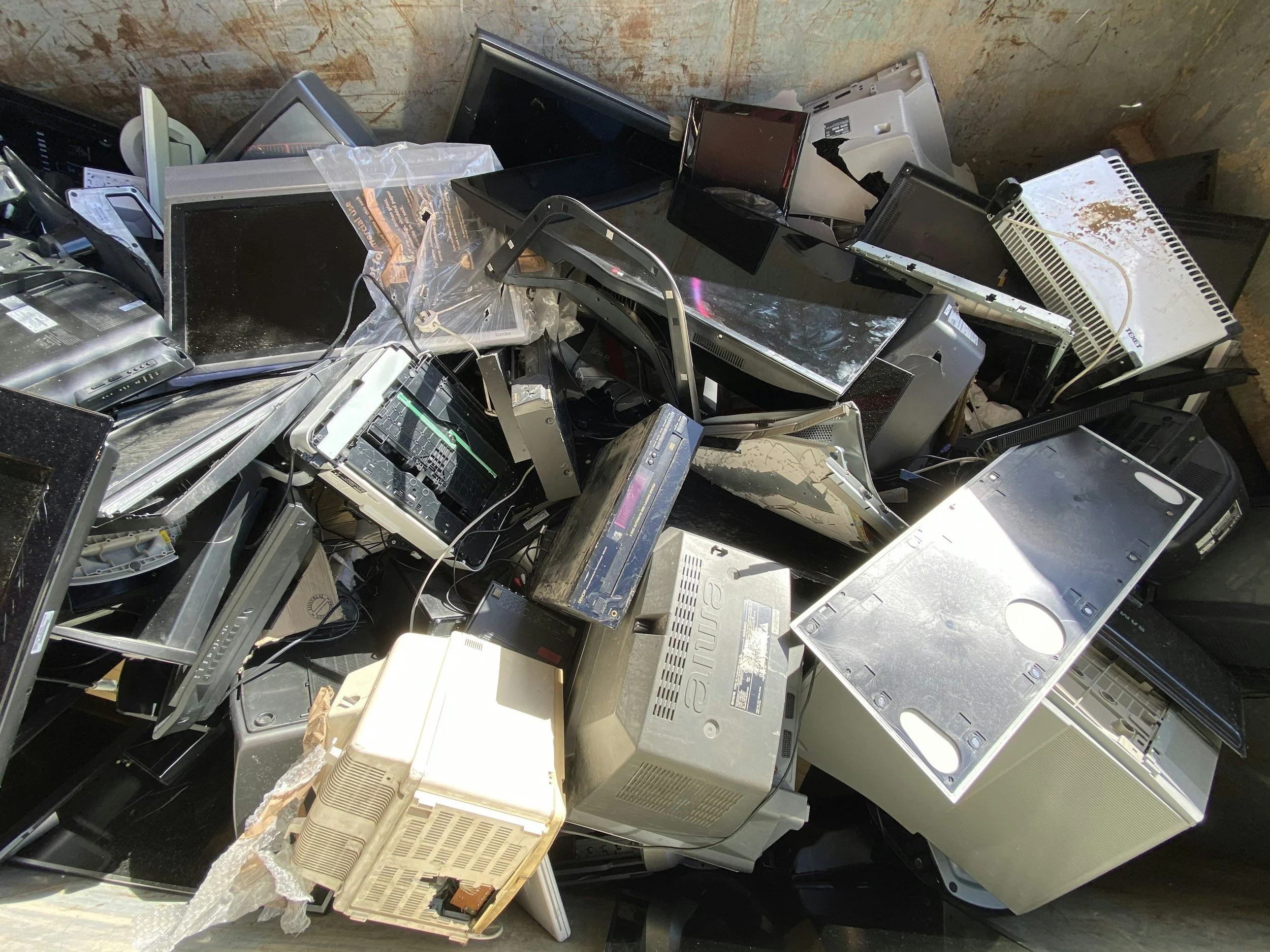
In 2022, the world generated a record 62 million tonnes of electronic waste, and only 22.3% was documented as having been properly collected and recycled.
Electronics contain valuable materials, along with batteries and other components that require careful handling. Keeping a device longer, repairing it or passing it to another user can preserve more of its value than replacing it quickly.
Try this: Choose one unused electronic item and decide whether it should be repaired, sold, donated or recycled through an approved program. Our e-waste guide explains how to prepare devices and find responsible drop-off options.
4. Reduce Plastic and Unnecessary Packaging
In 2022, more than five million tonnes of plastic waste was thrown away in Canada, and only 6.5% was recycled into new products. Recycling is important, but those numbers show why we also need to reduce plastic waste at the source.
Start by using what you already have. When something needs replacing, look for durable, reusable, refillable or lower-packaging options that suit your needs and budget.
Try this: Notice one single-use item or package you regularly bring home and choose one realistic way to avoid it. When recycling is the right next step, use our guide to Ontario’s 2026 Blue Box rules to sort it correctly.
5. Plan Food So It Gets Eaten

Food waste also wastes the land, water, energy, labour, packaging and transportation used to produce it. Second Harvest’s 2024 research found that 46.5% of the food produced for Canada is lost or wasted. Avoidable food waste alone represents an estimated $58 billion in lost value.
Reducing food waste does not require a flawless meal plan. It starts by making the food you already have easier to see and use.
Try this: Shop your fridge, freezer and pantry before buying groceries. Plan one meal around food that needs to be used soon, then freeze or repurpose what remains. Our guide to preventing food waste at home offers more practical ideas.
6. Borrow and Share Before Buying
Many things are useful but rarely needed. A drill, camping tent, folding table or specialty kitchen tool may spend most of its life in storage.
Borrowing, lending and renting can save money, reduce demand for new products and help communities get more value from the things that already exist. Libraries, tool-lending programs, bike-share systems and neighbourhood groups all make access possible without individual ownership.
Try this: Before your next occasional-use purchase, ask whether you could borrow or rent it. You can also explore A Greener Future’s Low Waste Directory for reuse, refill and sharing options in Ontario.
7. Swap What You No Longer Use

Swaps keep usable items in circulation while helping people save money, clear space and connect with their community. Clothing is a natural place to begin, but books, toys, sports equipment, plants and household items can also be exchanged.
Try this: Attend a local swap or organize a small one with friends, coworkers or neighbours. Ask everyone to bring clean, usable items and make a plan for anything left at the end. Check what a local charity or reuse organization accepts before donating leftovers.
Why Does Waste Reduction Matter Beyond One Week?
Individual actions are valuable, but individuals cannot build a circular economy alone. Businesses decide how products are designed, packaged and repaired. Governments create waste, recycling and producer-responsibility rules. Schools, workplaces and community organizations can make sharing, reuse and proper collection easier.
Our everyday choices can support better systems and show that durability, repairability and lower-waste options matter. Lasting progress requires action from all of us; individuals, communities, governments and businesses.
Waste Reduction Week is a useful starting point, not a finish line. One item repaired, one phone kept longer, one meal rescued from the back of the fridge or one thing borrowed instead of bought can become a habit that lasts all year.
Choose One Action to Start
Which action feels most realistic for you this week?
Choose one, put it in your calendar and invite someone else to join you. You can learn more about this topic from the official Waste Reduction Week facts and resources.
Together, we can keep valuable resources in use, prevent waste and build cleaner, healthier communities.
Frequently Asked Questions
-
Waste Reduction Week takes place from October 19 to 25, 2026. It is the third week of Circular Economy Month, which runs throughout October in Canada.
-
Waste Reduction Week is a national public-awareness campaign that helps Canadians learn how waste prevention and circular practices can protect the environment, support communities and conserve resources.
-
Waste Reduction Week began before Circular Economy Month and now forms its third week. Circular Economy Month covers the broader environmental, economic and community benefits of keeping products and materials in use rather than treating them as disposable.
-
Choose one practical action: repair an item, keep clothing or electronics in use longer, reduce unnecessary packaging, prevent food waste, borrow before buying or organize a swap. Schools and workplaces can also host a repair, collection, sharing or swap event.
-
Recycling is useful, but preventing waste is better. Canada’s waste hierarchy prioritizes prevention and reduction, followed by reuse and repair. Recycling is the next step when an item cannot reasonably be avoided, reused, repaired or refurbished.