Rethinking Your Closet: A Practical Guide to Clothing and Textile Waste
The clothing we wear has a much bigger environmental story than its price tag shows. Fabric begins with farms, forests, oil or other raw materials. It moves through spinning, dyeing, finishing, sewing, packaging and shipping before it reaches a closet. When trends move quickly, and clothes are treated as disposable, that long story can end after only a few wears.
The United Nations Environment Programme estimates that the textile sector contributes between 2% and 8% of global greenhouse gas emissions. It also uses huge amounts of water and creates pollution throughout its supply chain. Synthetic fibres such as polyester, nylon and acrylic are forms of plastic, and they can shed tiny fibres during wear and washing.
That can feel like a lot to carry on one hanger. Fortunately, the most useful place to start is simple: wear what you already own.
Make your closet easier to use
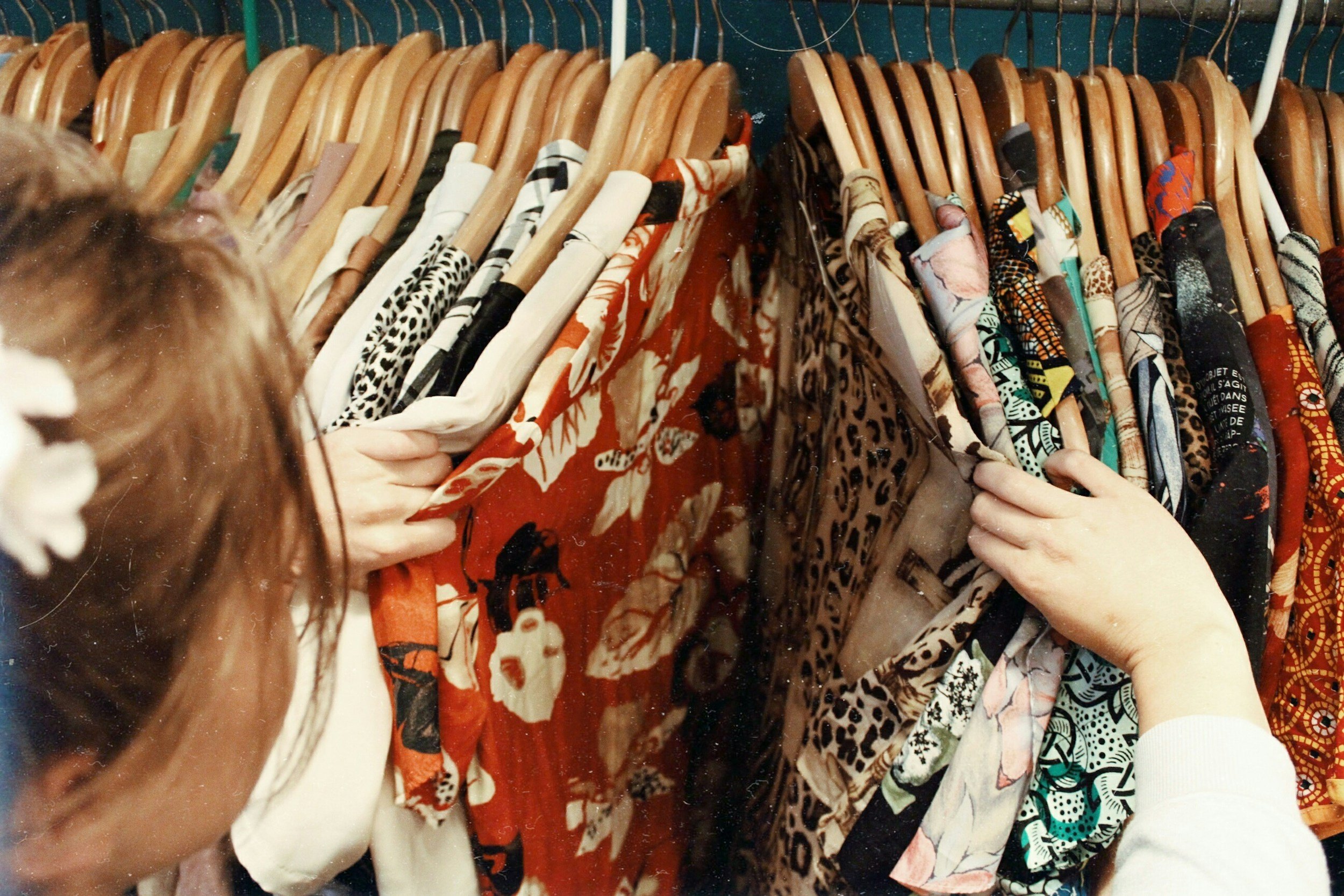
Clothes are easy to forget when we cannot see them. Before buying something new, take a quick inventory. Move favourites into reach, store off-season pieces together, and make a small repair pile, with a date to actually tackle it.
Try choosing one overlooked item and styling it three ways. Host a closet swap with friends. Turn getting dressed into a creative challenge instead of a reason to shop.
The goal is not a tiny beige wardrobe unless that genuinely makes you happy. The goal is to get more value, use and joy from the clothing already in your life.
Buy with a longer relationship in mind
When you need something, start with secondhand, borrowing, renting or swapping. If you buy new, look past the trend and ask:
Will I wear this regularly?
Does it work with clothes I already own?
Does the fabric and construction feel durable?
Can it be washed and repaired without special equipment?
Is the company clear about where and how it was made?
A higher price does not automatically guarantee an ethical or durable garment, and a lower-cost purchase is not a moral failure. Buy within your means, choose carefully when you can and focus on how long you keep and use the item.
Care for clothing so it lasts
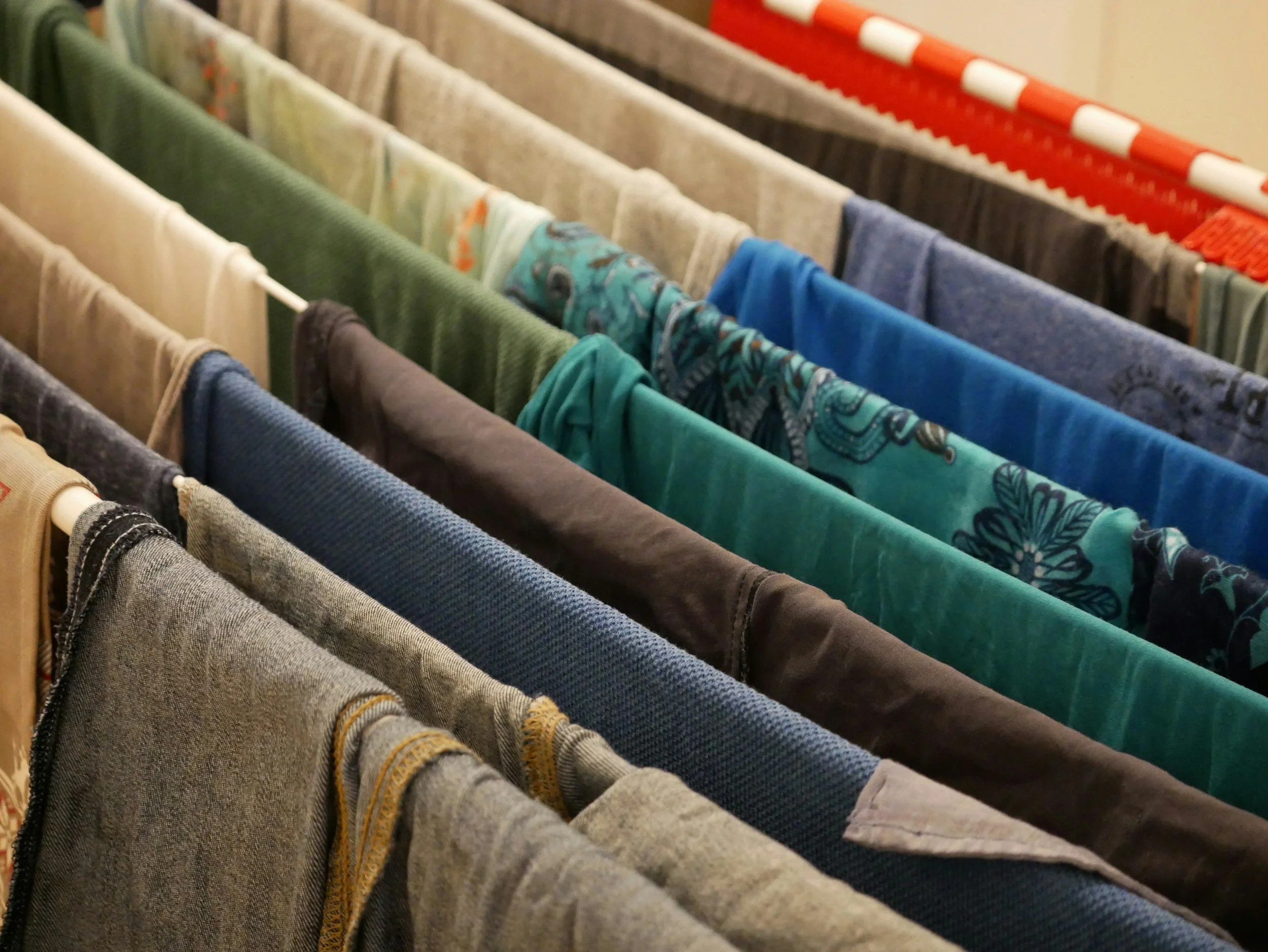
Following care labels can extend the life of clothing and prevent avoidable damage. You often do not need to wash an item after a single wear. Air it out, spot-clean small marks and wash full loads when the fabric and hygiene needs allow.
Using cooler water and gentler cycles can reduce wear. Avoid over-drying, which can shrink fabric and weaken fibres. A drying rack or clothesline can be useful when practical.
For synthetic clothing, washing less often, using a full load and choosing a gentler cycle may help reduce fibre shedding. Microfibre-catching laundry devices or filters can capture some fibres, but they are one tool, not a complete solution. Dispose of the collected lint in the garbage, not in the compost or down the drain.
Learn one repair
A missing button or small seam opening should not end a garment’s life. Start with one repair you can learn in a few minutes. Keep a needle, thread and spare buttons together, or find a local tailor, repair café or friend with the right skills.
Visible mending can make a repair part of the design. A patch does not have to hide. Sometimes the most loved clothes are the ones that tell the truth about being worn.
Pass clothing on thoughtfully
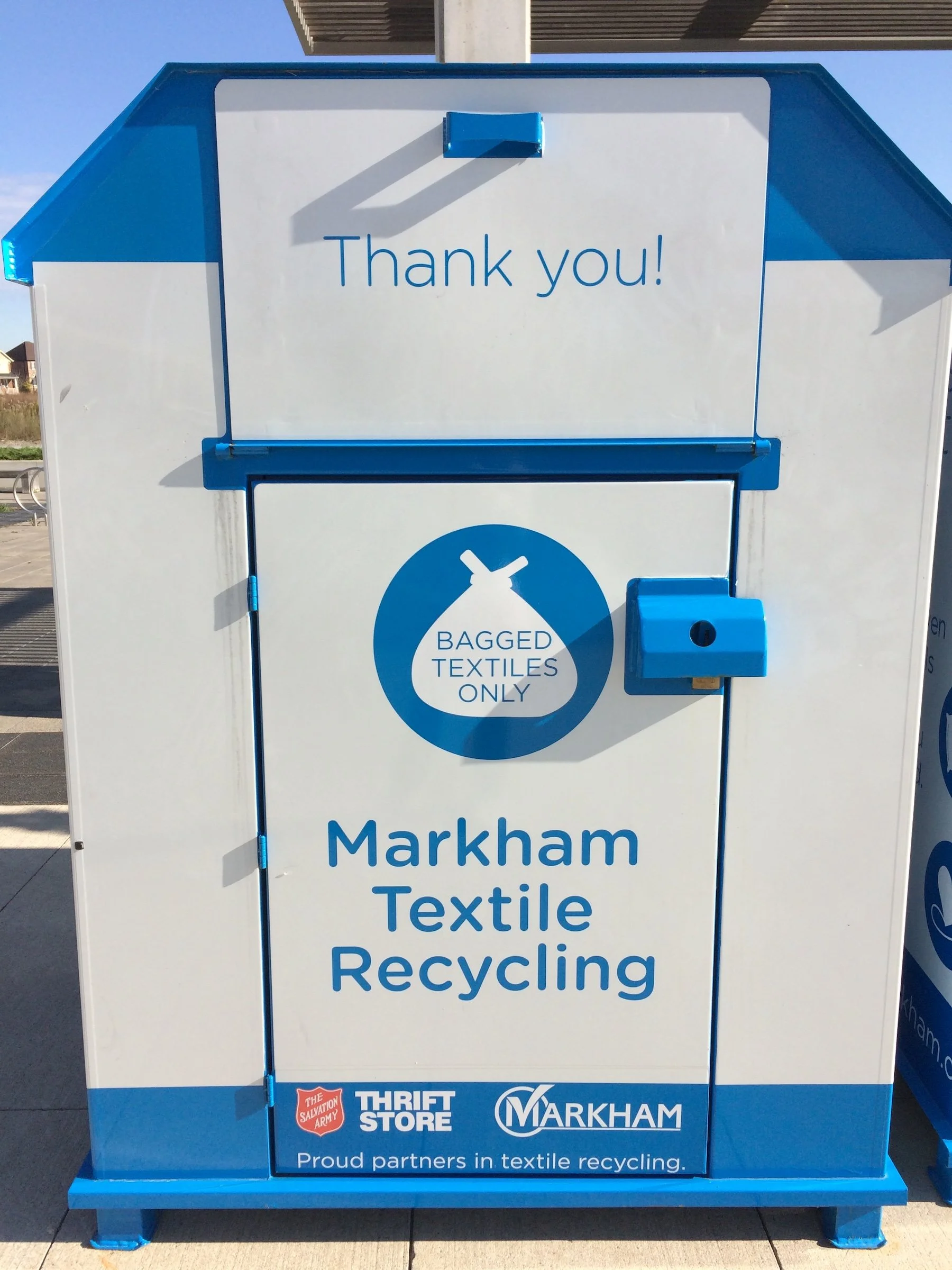
Donation is not a magic door that makes unwanted clothing disappear. Charities and secondhand stores need items that are clean, usable and suitable for their programs. Check what an organization accepts before dropping anything off.
For clothing in good condition, consider resale, swaps, community groups or direct donation. For damaged textiles, look for a verified local textile collection program, but research what happens after collection and what materials are accepted. Textile recycling options vary, and many blended fabrics are difficult to recycle.
Our post on textile recycling explores why keeping clothing in use is so important.
Support a more circular clothing system
Personal choices matter, but the fashion industry also needs to change. UNEP’s work on sustainable and circular textiles identifies overproduction and overconsumption, hazardous chemicals and circular business models as priorities.
We can help push that change by supporting repair and resale, asking brands for evidence behind environmental claims, and choosing companies that design for durability and take responsibility for what happens to their products later.
Your five-minute action
Choose one item in your closet that you have not worn lately. Wear it this week, repair it, offer it to someone who will use it or list it for sale. Give it a next step instead of letting it become invisible.
A sustainable wardrobe is not built in one shopping trip. It is built slowly—one rewear, repair and thoughtful decision at a time.