What to Do With Old Electronics: A Practical Guide to E-Waste
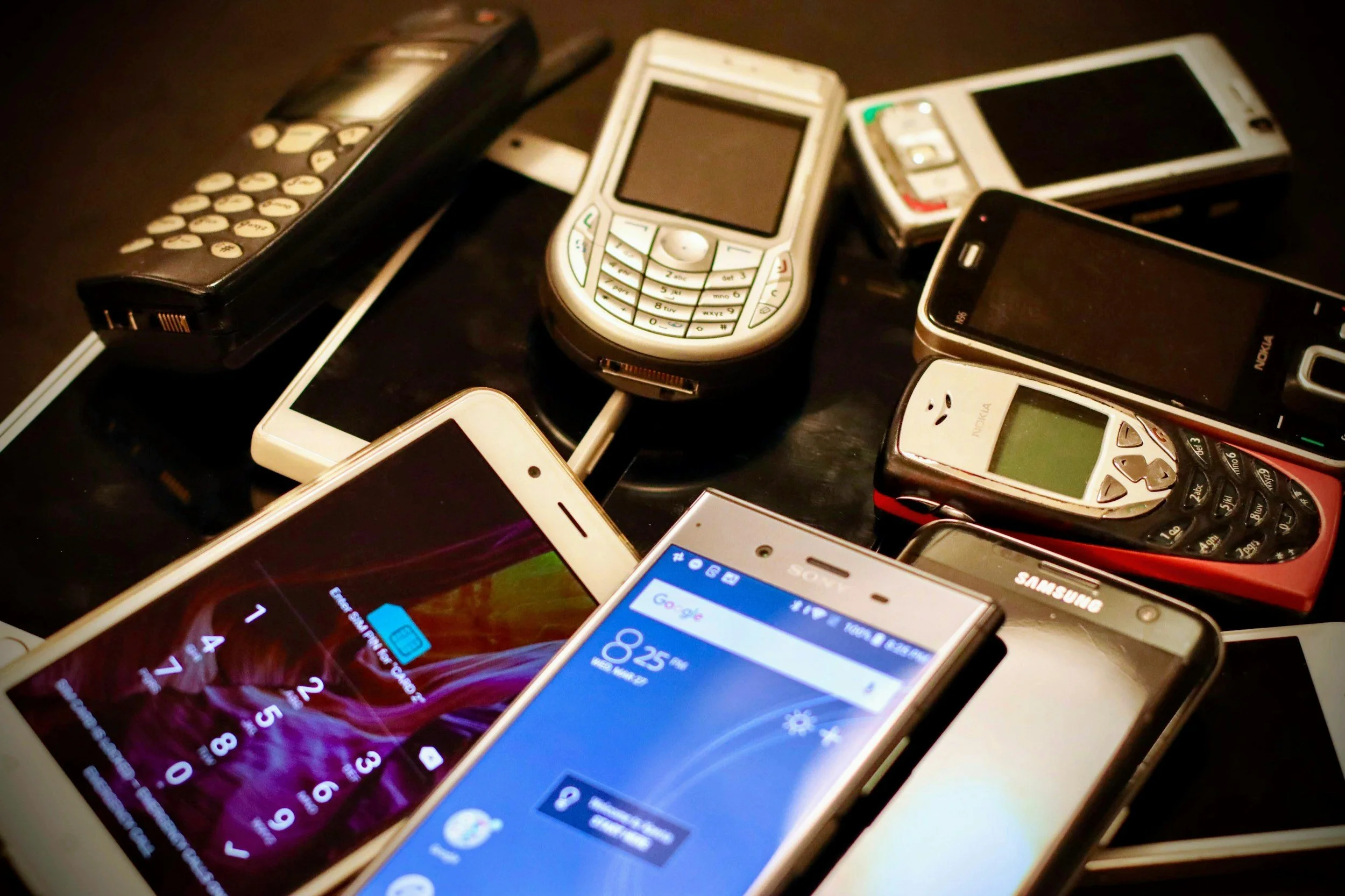
There is probably a drawer somewhere in your home holding a retired phone, mystery charger or pair of earbuds that no longer works. We keep electronics because they contain personal information, because we might need them someday, or because we simply do not know where to send them.
They do not belong in the garbage or in your Blue Box.
The world generated 62 billion kilograms of e-waste in 2022, and only 22.3% was documented as formally collected and recycled in an environmentally sound way, according to the Global E-waste Monitor 2024. Electronics contain valuable materials worth recovering, as well as substances that require careful handling.
Before you clear out that drawer, use this order: keep it, repair it, pass it on, then recycle it responsibly.
Use it for longer
The most responsible device is often the one you already own. Before upgrading, ask whether a new battery, software update, protective case or small repair could solve the problem. Try to separate an actual need from the pressure to have the newest model. Keeping a device for another year spreads the resources used to make it over a longer life.
When buying, look for durable products with replaceable parts, available repair support and a meaningful warranty. Refurbished electronics can also offer good value while keeping an existing device in use. Some companies, like Orchard, sell refurbished phones and will pay you for your old phone. If your phone is eligible, Orchard provides free shipping materials, refurbishes and sells it. They’ll pay you a rate based on the condition of your phone.
Repair before replacing
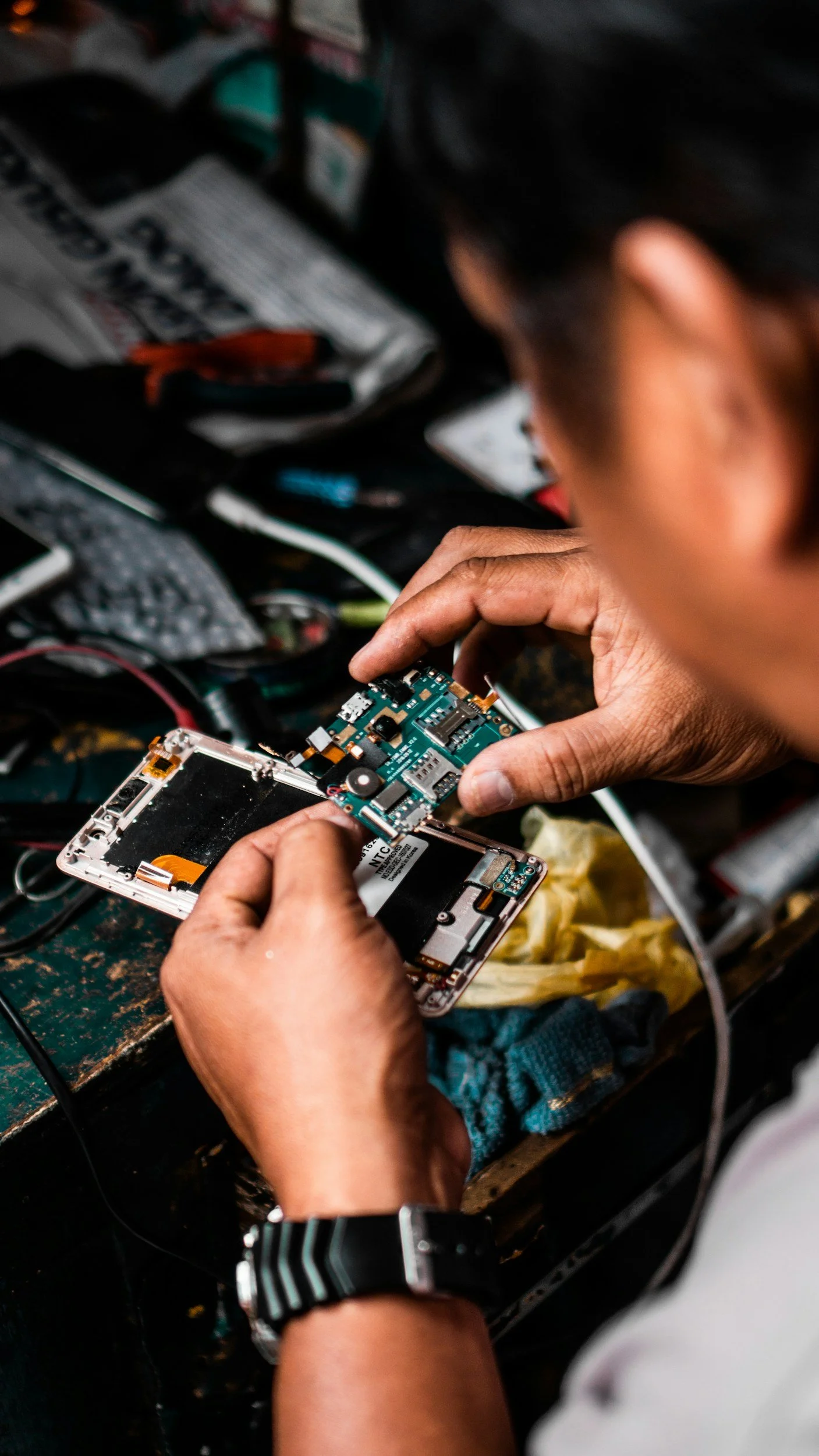
Start with the manufacturer’s troubleshooting guide, a qualified repair shop or a local repair café. Ask for an estimate and compare the cost, likely lifespan and energy performance of repair versus replacement.
Do not attempt repairs involving swollen, leaking, punctured or unusually hot batteries. Stop using the device, keep it away from flammable materials and follow the manufacturer’s or local fire department’s safety guidance.
Give working electronics a second life
If a device still works but no longer works for you, consider selling it, trading it in or donating it to a program that confirms what it currently accepts. Include the charger and accessories when possible.
Before a phone, tablet or computer changes hands:
Back up anything you want to keep.
Sign out of accounts and remove activation locks.
Remove SIM and memory cards.
Follow the manufacturer’s instructions for a secure factory reset.
Remove the device from your online account if required.
Simply deleting a few files is not the same as preparing a device for reuse. If the electronics contain sensitive information and cannot be reset, take it to an electronics recycler and ask them what data-destruction service they provide.
Recycle through the right program
Electronics are not accepted in regular curbside recycling. Collection rules also vary by product and location, so check before you go.
In Ontario, use the Resource Productivity and Recovery Authority’s Where to Recycle map or Ontario Recycles to find public drop-off locations for electronics, batteries and other materials that do not belong in the Blue Box. You can also search the national network at Recycle My Electronics.
Confirm that the location accepts your exact item, especially for large appliances, damaged batteries or specialized equipment. Do not leave electronics beside a donation bin or outside a closed depot.
Treat batteries as a safety issue
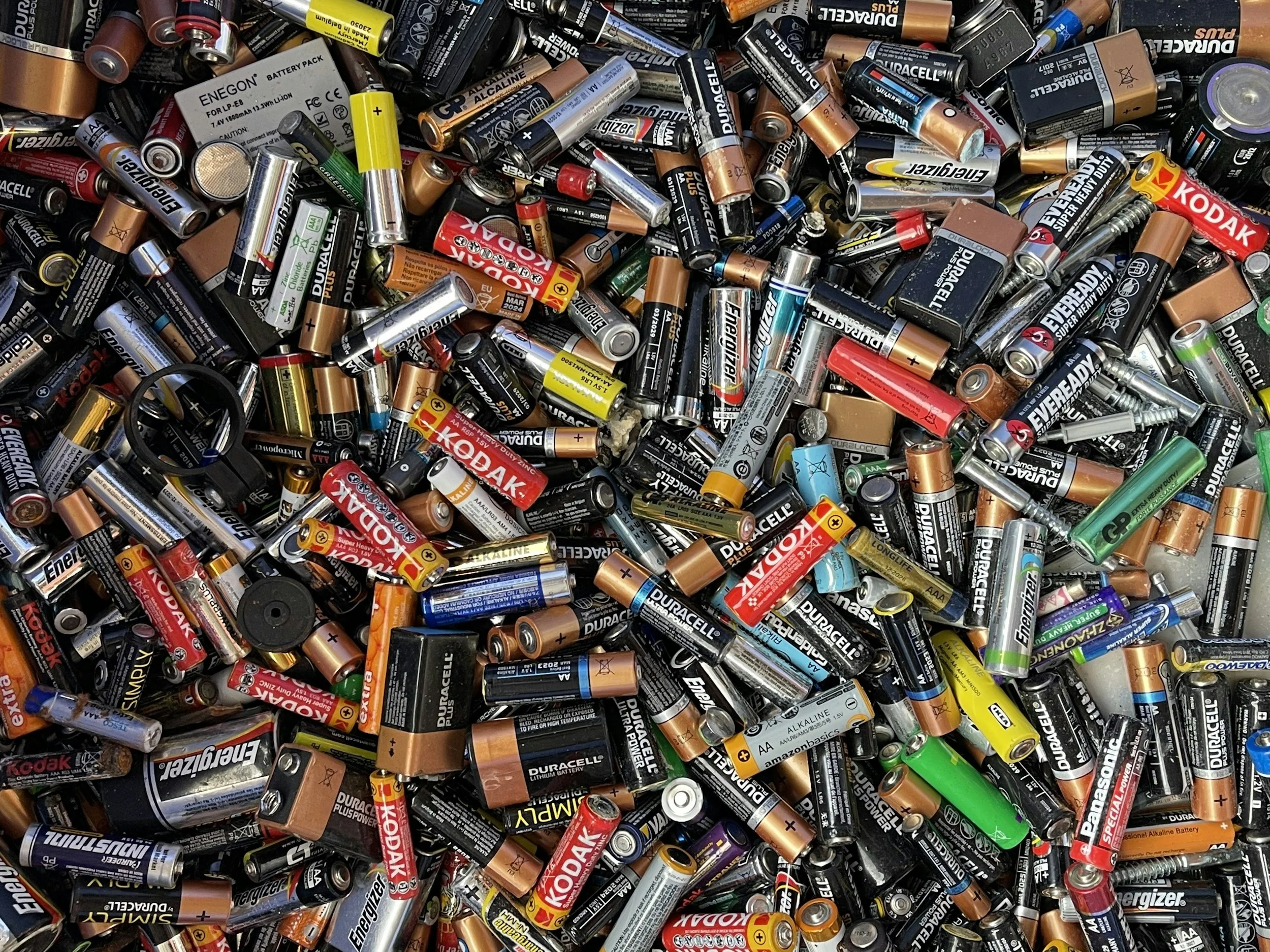
Many electronics contain lithium-ion batteries, and loose batteries can start fires if they are damaged or if their terminals contact metal.
Health Canada’s battery-safety guidance says batteries should not go in household garbage. Do not put them in the Blue Box either. Take them to an approved battery or hazardous-waste collection point. There are battery recycling bins found in many grocery stores, community centres, and libraries across Ontario.
Store used batteries in a dry place away from heat and out of reach of children. Keep them away from coins, keys and other metal. When bringing loose batteries to a drop-off centre, cover the terminals with non-conductive tape, such as electrical tape, as Health Canada recommends.
If a battery is swollen, leaking, damaged, smells unusual or feels hot, do not handle it like an ordinary used battery. Contact your municipality, local fire department or the manufacturer for instructions.
Lithium-ion battery fires reported in Toronto in 2026 are another reminder that lithium-ion battery safety needs to be taken seriously, particularly with larger batteries used in e-bikes and e-scooters. Never modify a battery or install an unapproved replacement purchased from an unknown seller. Use the battery and charger designed for the device, look for a recognized Canadian certification mark, and have repairs completed by a qualified professional.
Make the next purchase count
E-waste prevention begins before checkout. Ask:
Can this product be repaired?
Are replacement batteries and parts available?
How long will software and security updates be provided?
Does the company offer a trade-in or take-back program?
Could I borrow, rent or buy this refurbished instead?
These questions tell companies that durability and responsibility matter.
Your five-minute action
Choose one unused electronic item today. Decide whether it will be repaired, sold, donated or recycled, then put the next step in your calendar. If it is headed for recycling, find the correct drop-off before it leaves your hands.
That drawer did not fill in a day, and it does not have to be emptied in one. One device handled responsibly is a very good start.