What New Research Reveals About Microplastics and Human Health
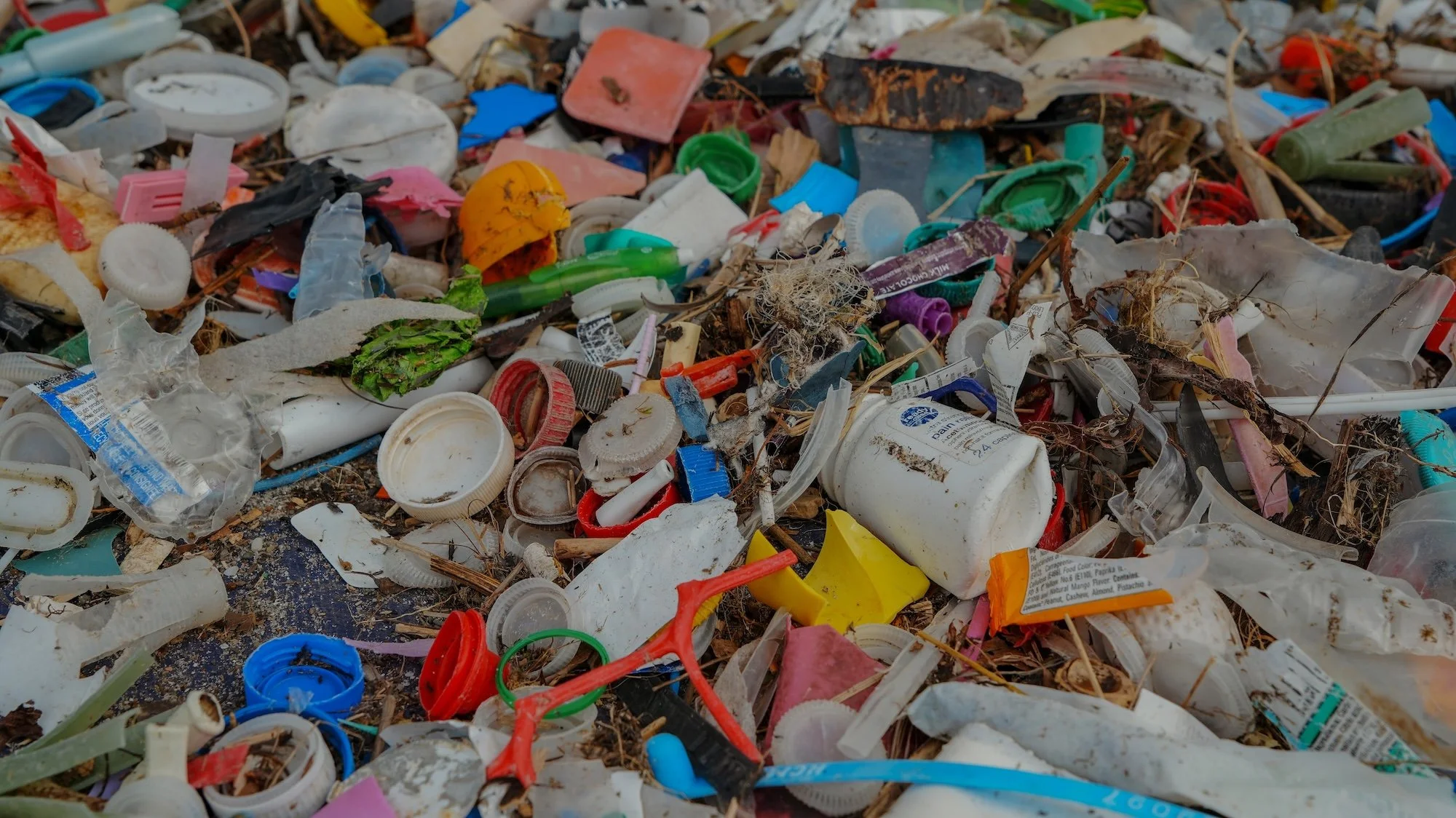
Plastic found at a litter cleanup at Jones Beach in St. Catharines.
Plastic is not a new topic in the environmental world, but research into its possible effects on human health is developing quickly.
Microplastics, plastic particles smaller than five millimetres, have been detected in the air we breathe, the food and water we consume, and several parts of the human body. People may be exposed to these particles by ingesting or inhaling them, although researchers are still working to understand how much exposure occurs and what it means for our health.
A Greener Future previously explored what microplastics are, how they enter the body and why researchers are concerned. Since then, new studies have examined possible connections between microplastics, cardiovascular health and immune function.
The findings are concerning, but they are also complicated. Some studies have identified associations in people, while others have found biological effects in cells and animals. These studies add to our understanding, but they do not yet prove that everyday microplastic exposure directly causes particular diseases in humans.
So, what have researchers recently learned, and what questions remain unanswered?
Why Plastic Pollution Matters to A Greener Future
Plastic is everywhere. It wraps the food we eat, is woven into much of the clothing we wear and appears in countless products we use every day.
It is also one of the most common materials found during A Greener Future cleanups. Our data collection system includes 32 litter categories, 28 of which include, or may include, plastic. These categories range from cups, lids and food wrappers to cigarette butts, foam and unidentified plastic pieces.
As A Greener Future celebrates surpassing 10 million pieces of litter collected since 2014, this data offers a visible reminder of how much waste enters our parks, communities and shorelines.
Larger pieces of plastic do not simply disappear. Over time, exposure to sunlight, water and friction can cause them to break into increasingly smaller pieces. Eventually, they may become microplastics, or even smaller nanoplastics, that are extremely difficult to remove from the environment.
This is one reason collecting plastic litter before it travels farther or breaks down matters so much.
What Do We Already Know About Microplastics and Human Health?
Researchers have detected microplastics in human blood, lungs, placentas and other tissues. However, detecting a particle in the body does not automatically tell us whether it caused harm, how long it remained there or what level of exposure may present a risk.
A 2024 systematic review of microplastic health research concluded that microplastic exposure is suspected of harming reproductive, digestive and respiratory health. However, only three human observational studies met the review’s criteria. Most of the available evidence came from animal studies.
That distinction is important. Animal and laboratory research can show researchers what might be biologically possible, but the results do not always translate directly to the conditions people experience in everyday life.
There are also concerns about chemicals used in plastics, including certain phthalates and bisphenols. These substances are different from microplastic particles, although people may encounter both through plastic products.
The 2026 Netflix documentary The Plastic Detox, for example, follows six couples experiencing unexplained infertility as they attempt to reduce their exposure to plastics and plastic-associated chemicals. Their experiences are interesting, but the documentary was not a formal scientific study, and infertility can have many possible causes.
What Has Recent Cardiovascular Research Found?
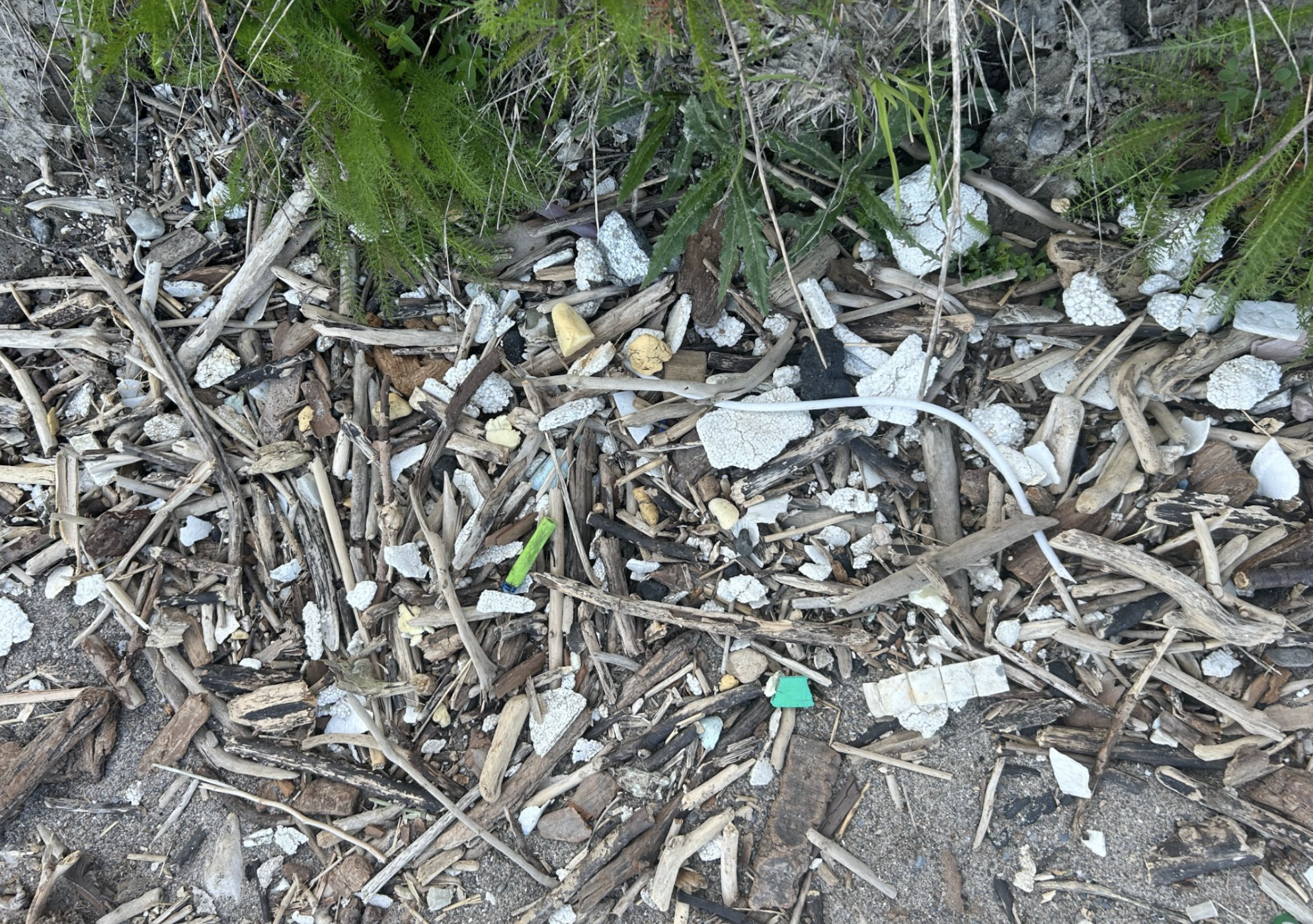
Foam found washed up on East Point Park Beach
Microplastics Detected in Arterial Plaque
In 2024, researchers examined micro and nanoplastics in plaque removed from the carotid arteries of patients. Patients whose arterial plaque contained detected plastic particles experienced a higher rate of heart attack, stroke or death during the follow-up period than patients whose plaque did not contain detected particles.
This was an important finding because it connected the presence of micro- and nanoplastics in human tissue with later health outcomes. However, the study was observational. It identified an association but did not prove that the particles caused those cardiovascular events.
The full study is available through the New England Journal of Medicine.
New Evidence from Heart Patients
A smaller study published in July 2026 added another piece to the puzzle. Researchers examined 61 patients undergoing coronary angiography, including patients experiencing a major heart attack, patients with chronic coronary disease and patients with normal coronary arteries.
Micro and nanoplastics were detected more frequently, and at higher concentrations, in patients experiencing major heart attacks. Plastic detection also frequently appeared alongside inflammation, air-pollution exposure and smoking.
These findings suggest a possible relationship among environmental exposure, inflammation and cardiovascular disease. However, the study was small and examined patients at a single point in time. Smoking history was the only independent predictor of micro and nanoplastic detection after researchers accounted for the other variables they measured.
In other words, the findings are noteworthy, but they cannot establish that microplastics caused the patients’ heart attacks.
You can read the 2026 study in the European Heart Journal.
How Might Microplastics Affect Immune Cells?
Researchers are also investigating how microplastics may interact with the immune system. Macrophages are immune cells that help clear away bacteria, debris and damaged or dying cells. This process helps control inflammation and allows tissues to repair themselves.
A 2026 study published in Immunity found that polystyrene microplastics interfered with the ability of macrophages to digest and clear damaged cells in laboratory experiments. Researchers also observed effects in the lungs, liver and testes of mice exposed to the particles.
The study offers a possible explanation for how accumulated microplastics could disrupt immune-cell function and contribute to tissue damage. However, because the research involved cultured cells and mice, it does not demonstrate that the same effects occur in people through everyday exposure.
What Do Scientists Still Not Know?
Although research is moving quickly, scientists are still working to determine:
How much microplastic people inhale and ingest
Which particle sizes and plastic types present the greatest concern
How long particles remain in the body
What levels of exposure may cause harmful effects
Whether reducing exposure can improve health outcomes
Differences in how researchers collect and measure microplastics can also make studies difficult to compare. The World Health Organization’s review of microplastics from food, water and air identified significant uncertainties and called for more high-quality research.
This does not mean we should ignore plastic pollution until every question is answered. We already know that plastic persists in the environment, harms wildlife and breaks into smaller pieces that become increasingly difficult to collect. It simply means we should communicate the science carefully: there are valid reasons for concern, but the evidence is still developing.
Why Prevention Is the Next Step
We cannot remove microplastics from the environment one particle at a time. Once plastic becomes microscopic, cleanup becomes almost impossible. That is why prevention is so important. Reducing unnecessary plastic use can prevent waste before it is created, while reusing, refilling and choosing durable alternatives can reduce our reliance on disposable products.
Community cleanups address another part of the problem. Removing larger plastic litter from parks, sidewalks and shorelines reduces the chance that it will travel through storm drains and waterways or break down into smaller pieces, contaminating our drinking water sources.
Every cup, wrapper, cigarette butt or piece of foam collected is one less piece left to fragment in the environment.

Volunteers cleaning up Cherry Beach in Toronto.
What Can You Do?
Small actions can help reduce plastic pollution at its source:
Carry a reusable water bottle, cup and shopping bag.
Choose reusable or refillable products when practical.
Avoid unnecessary single-use packaging.
Dispose of waste properly so it cannot enter storm drains or waterways.
Join a community cleanup to remove plastic before it breaks down further.
You can find an upcoming A Greener Future cleanup, explore our Action Guide, or use the Low Waste Directory to find low-waste businesses and community resources.
Ten million pieces of litter collected is an incredible milestone, but the most effective piece of plastic pollution is the one that never enters the environment in the first place. Research will continue to reveal more about microplastics and human health. In the meantime, reducing plastic waste and preventing pollution are practical steps we can take today, for our environment, our communities and our future.FinFind an upcoming A Greener Future cleanup: https://www.agreenerfuture.ca/all-events. Explore practical resources on the AGF Blog: https://www.agreenerfuture.ca/agf-blog, or use the Low Waste Directory to find community resources.